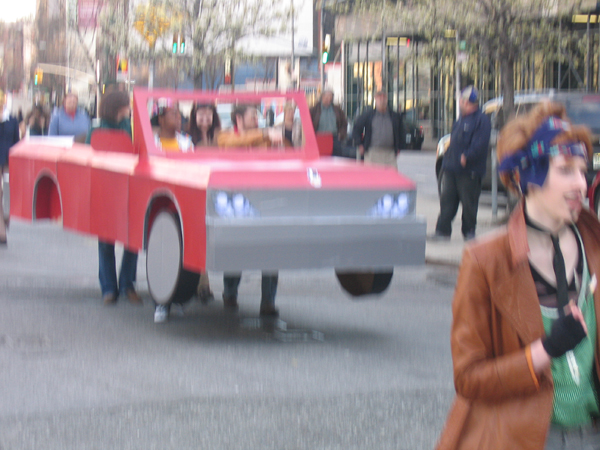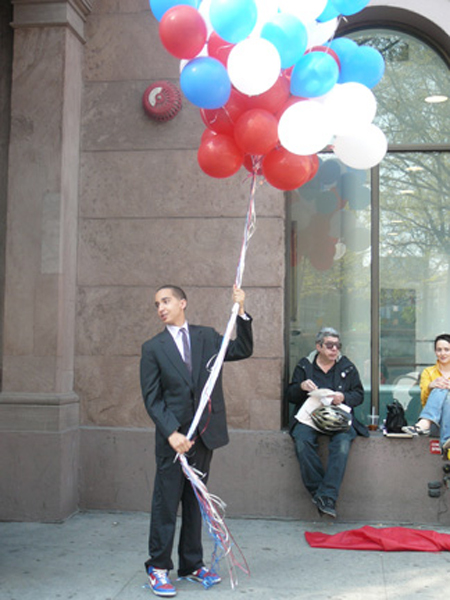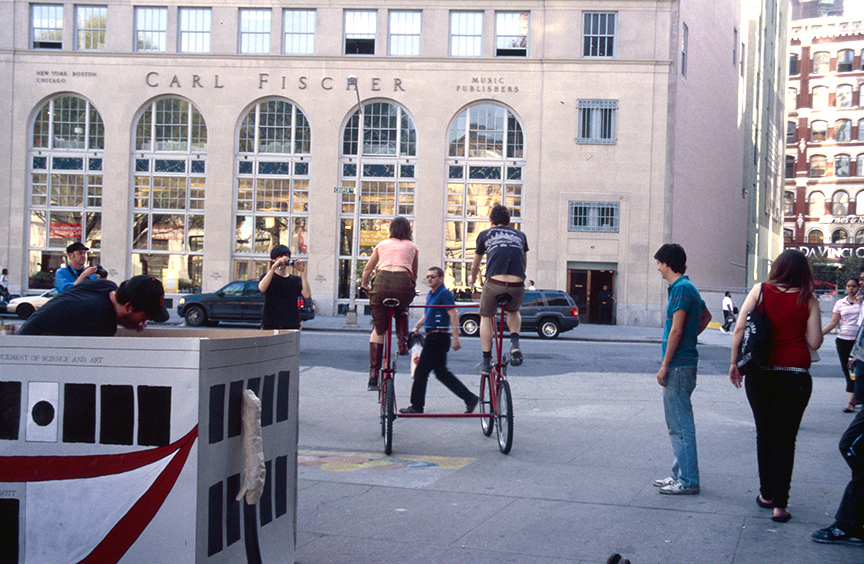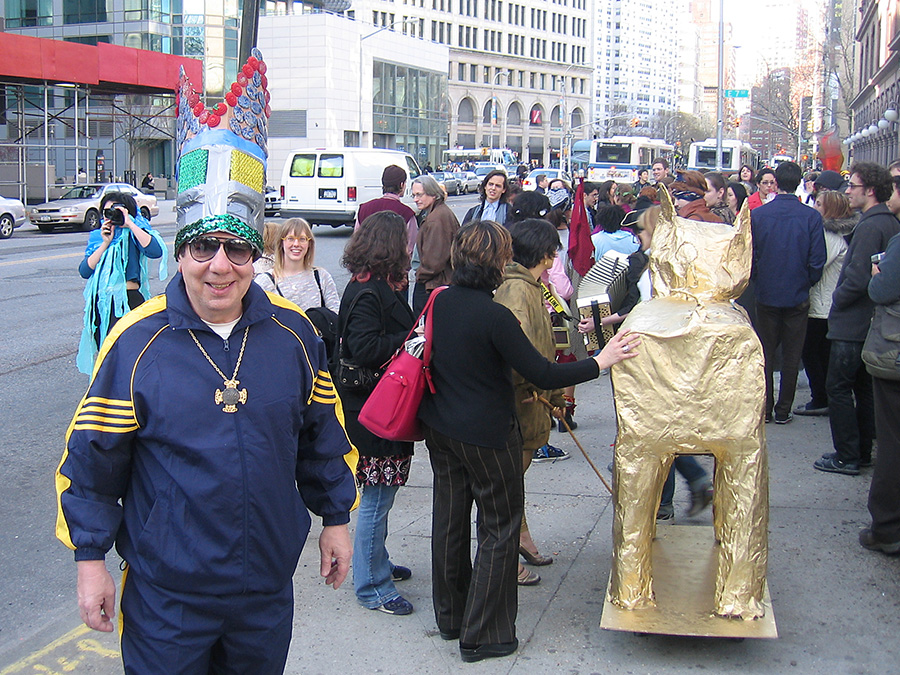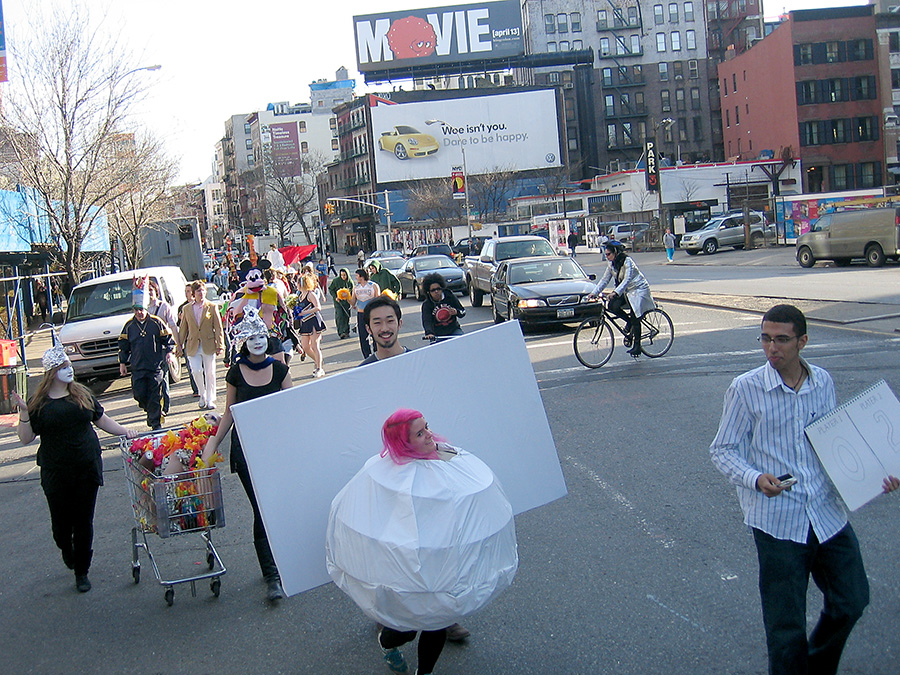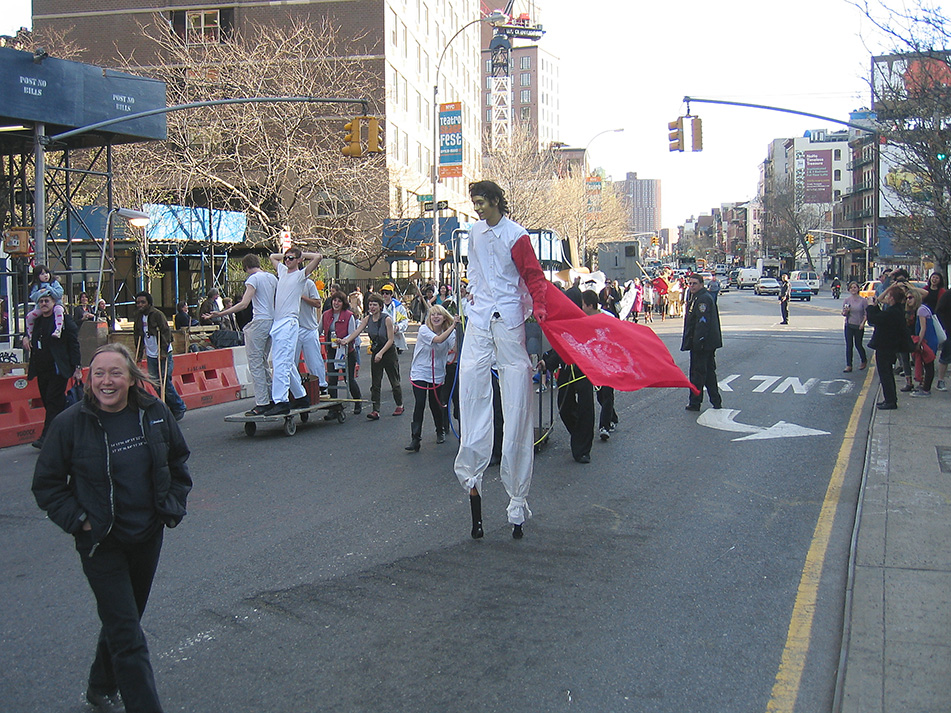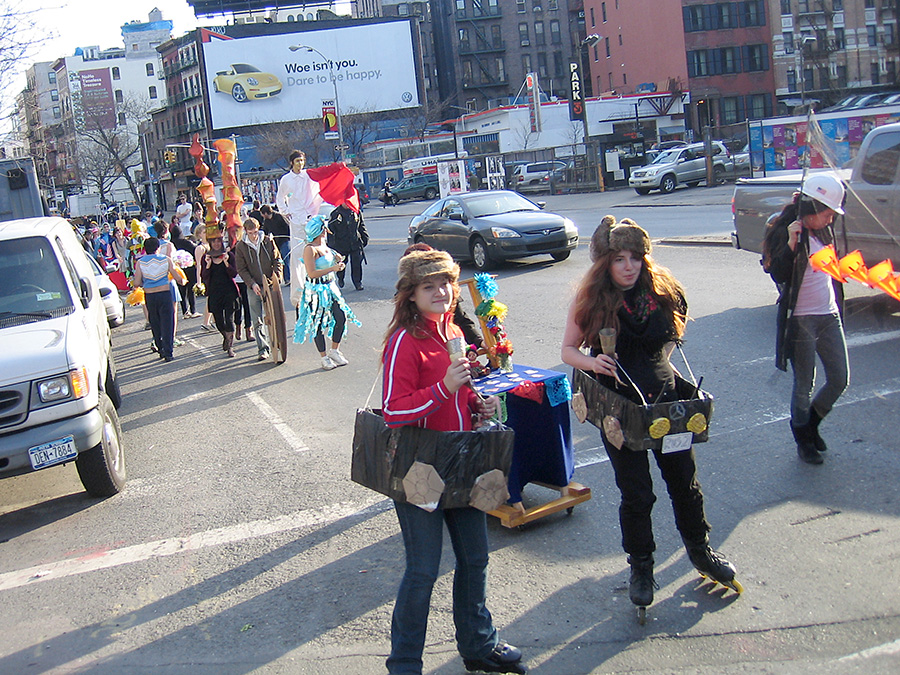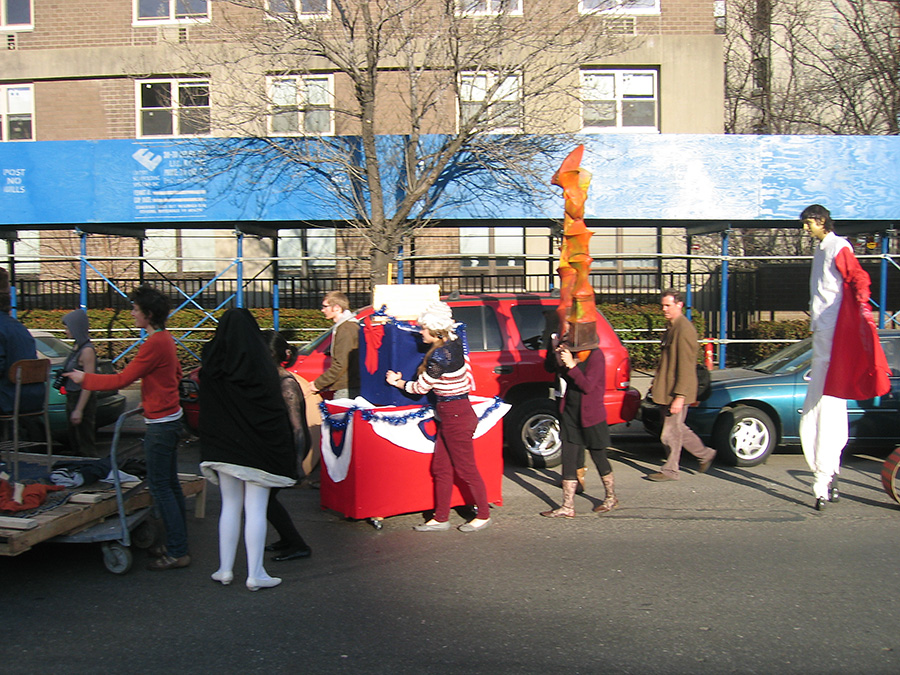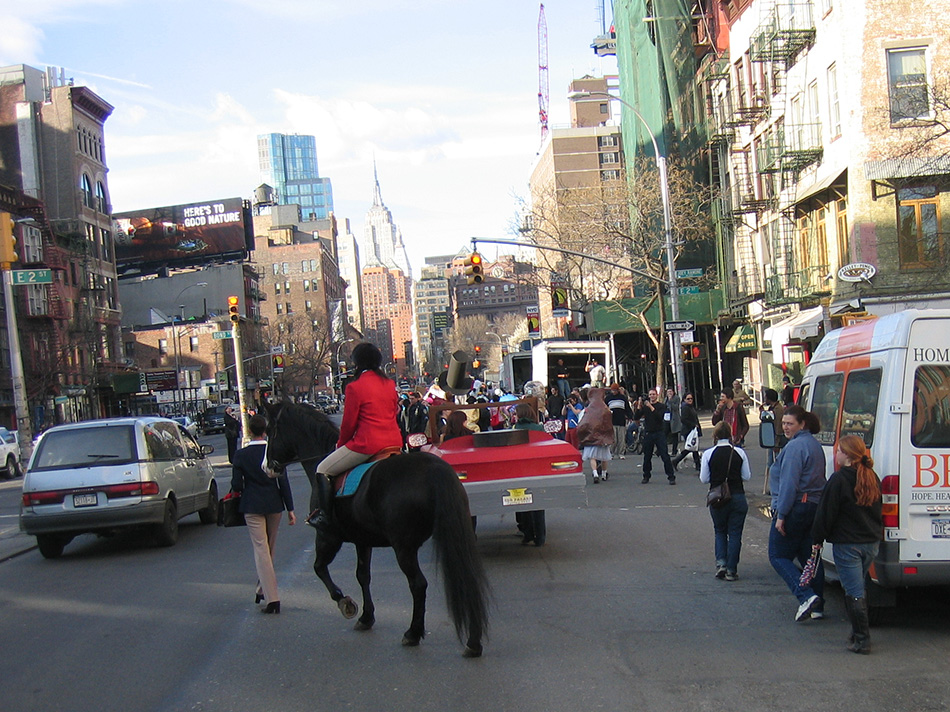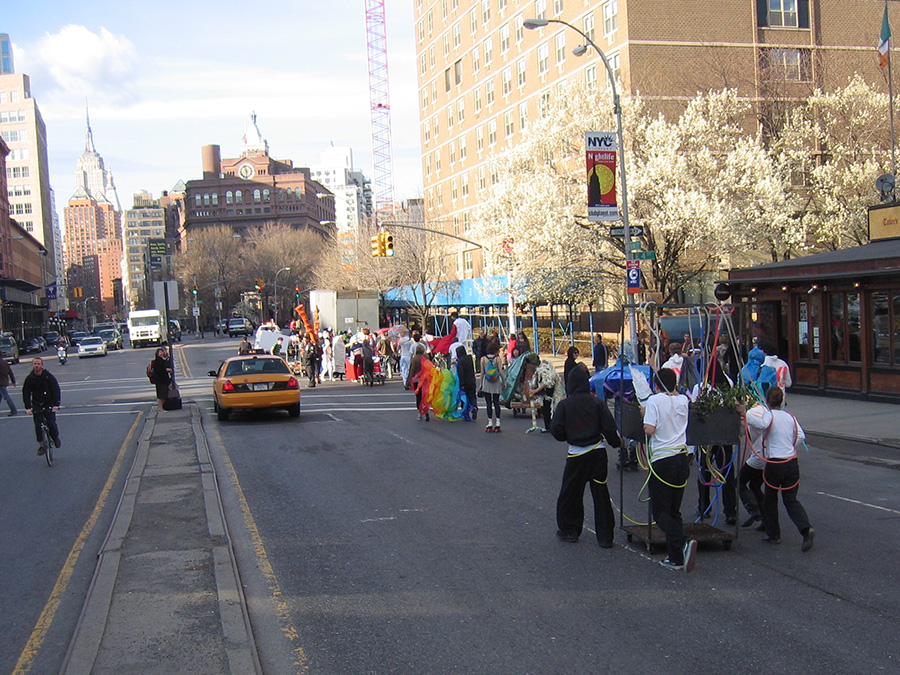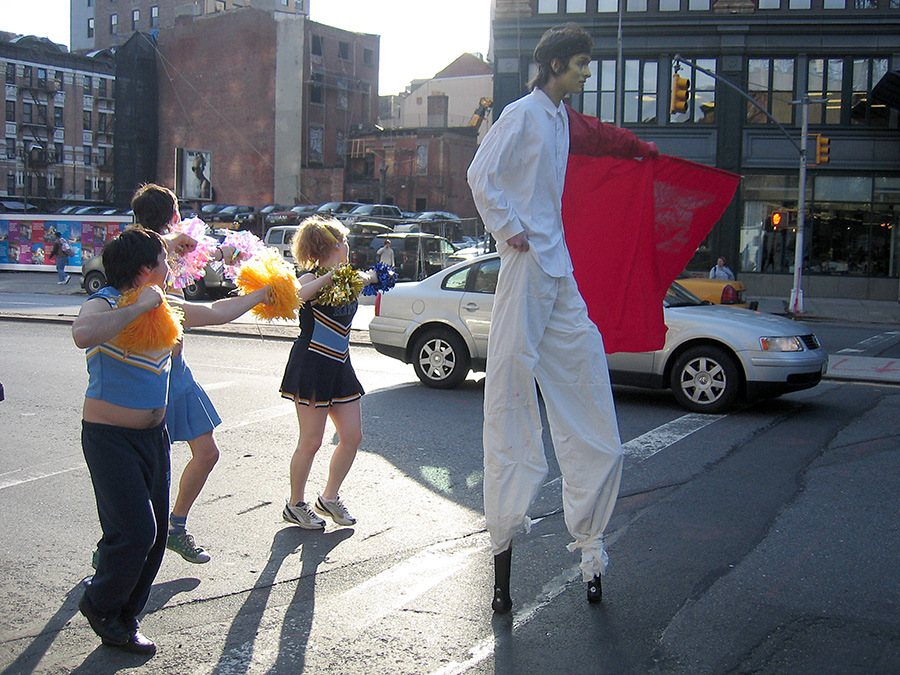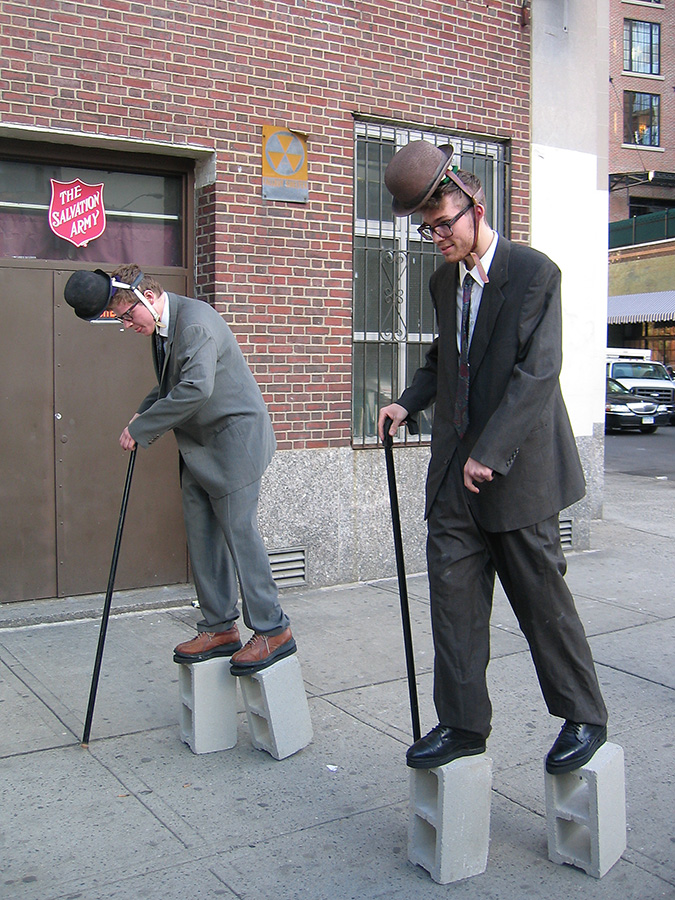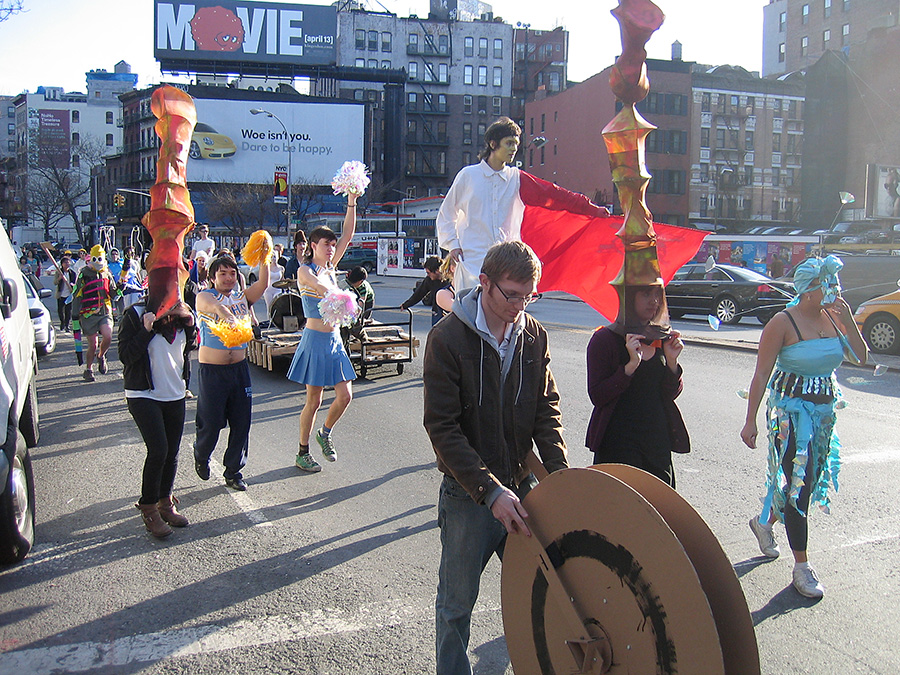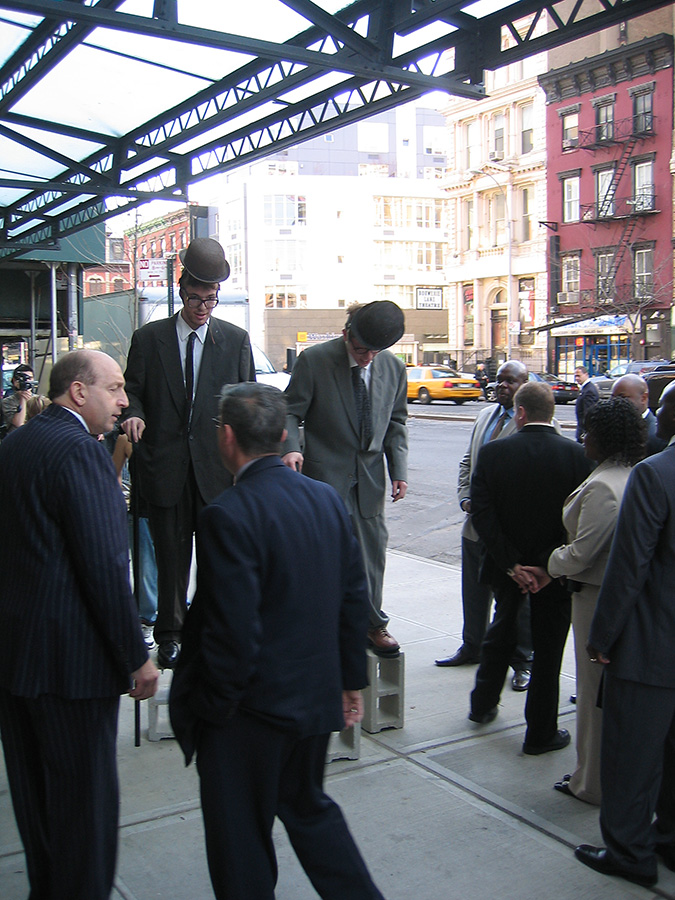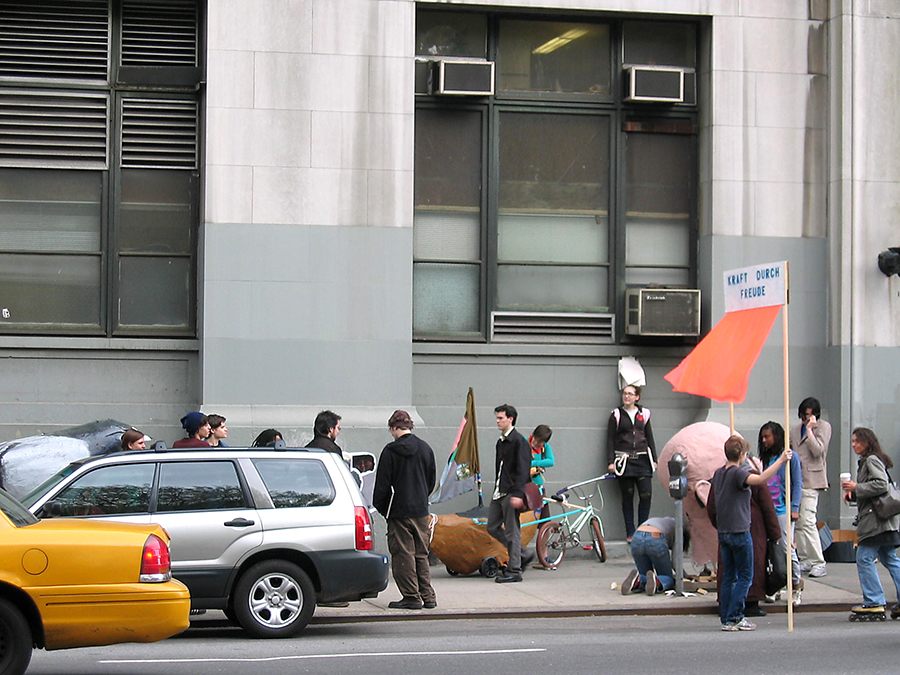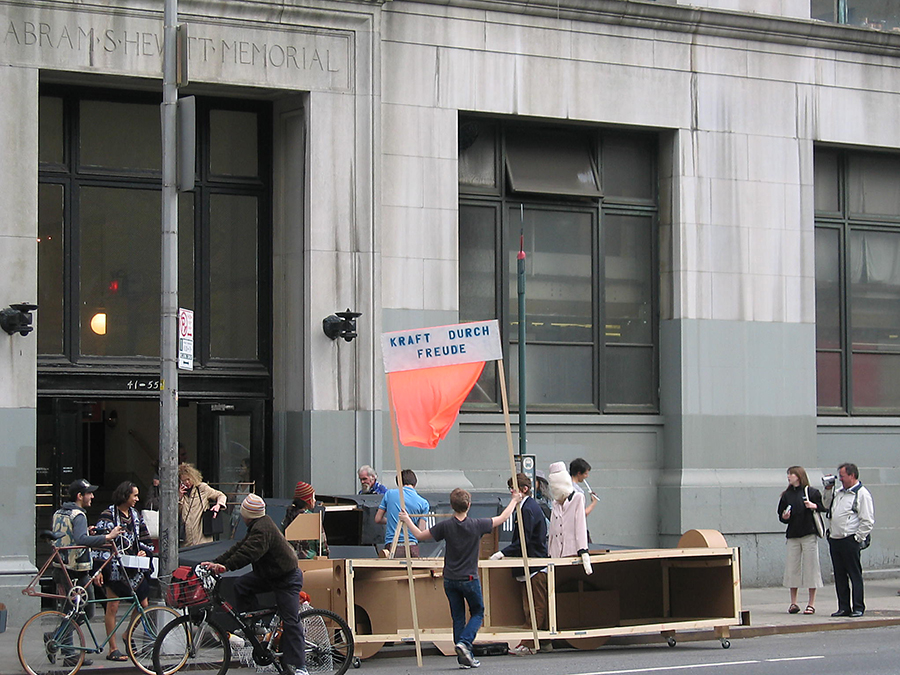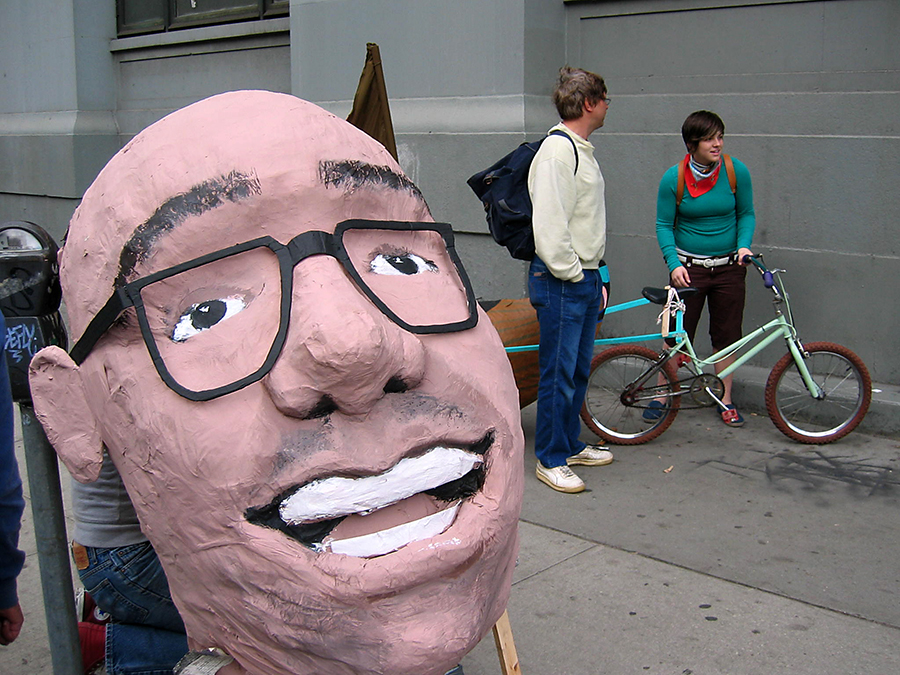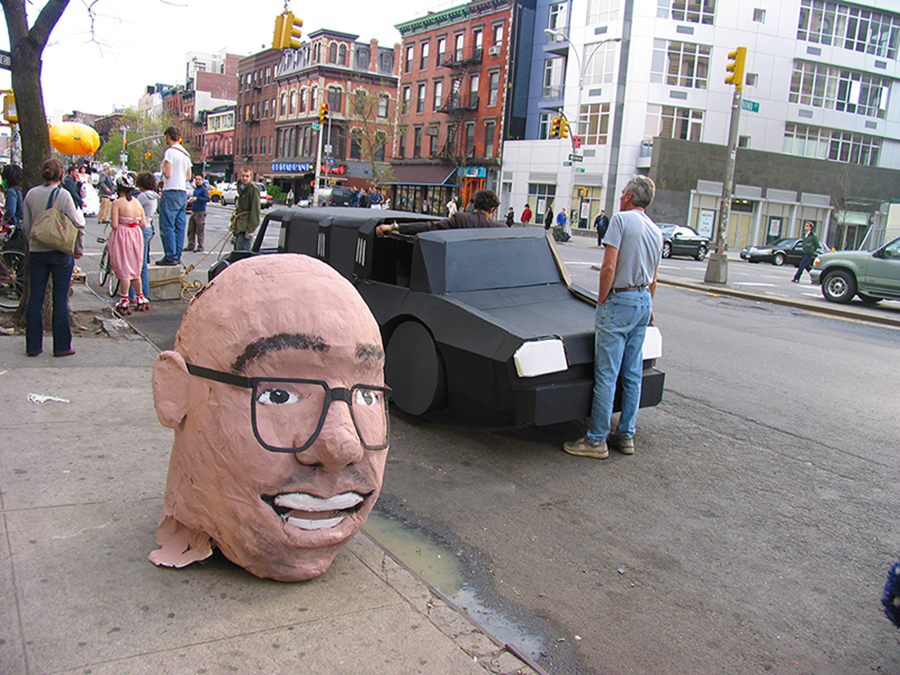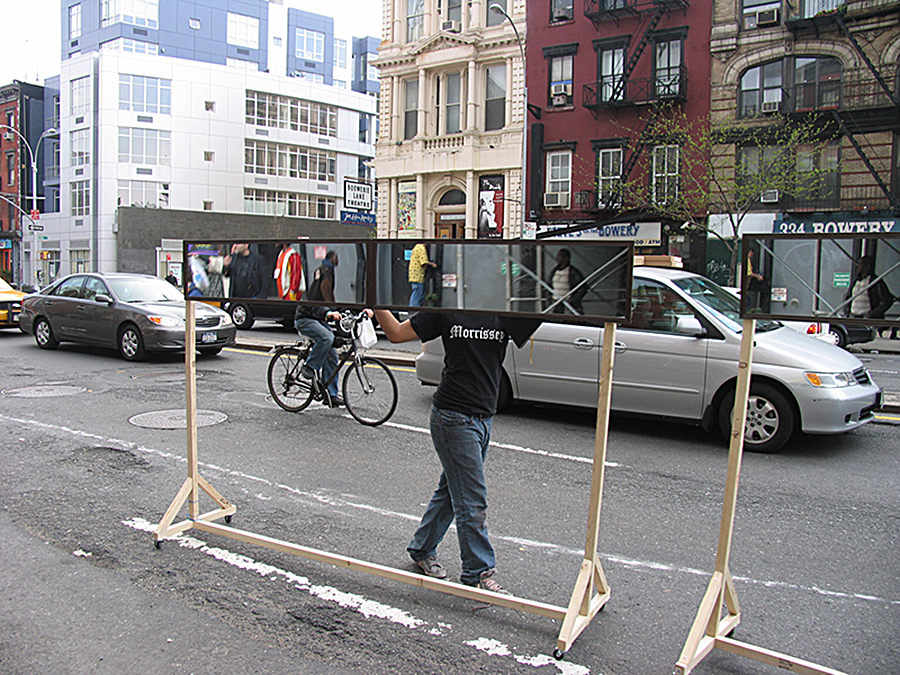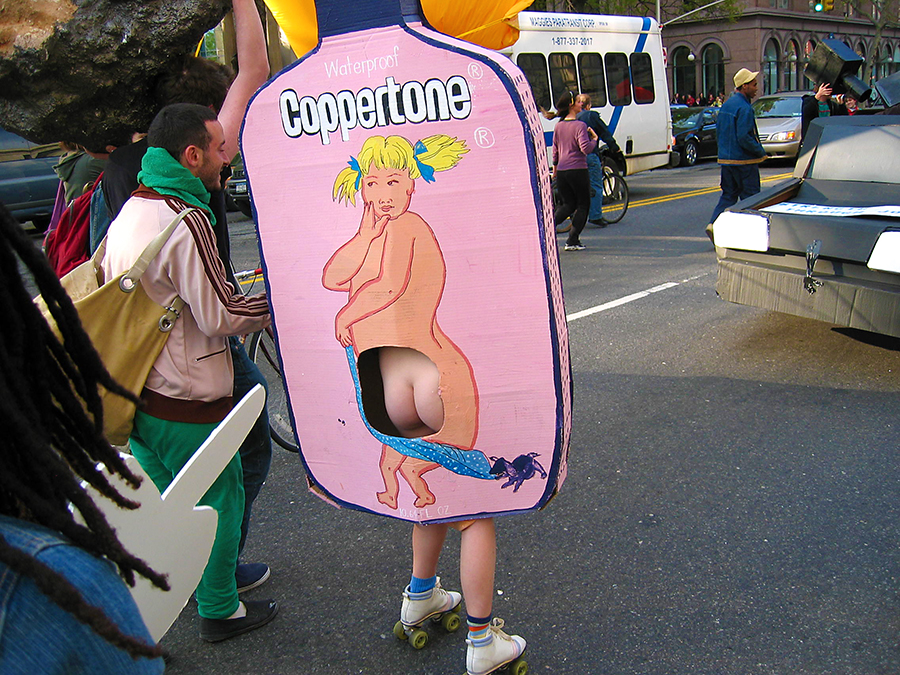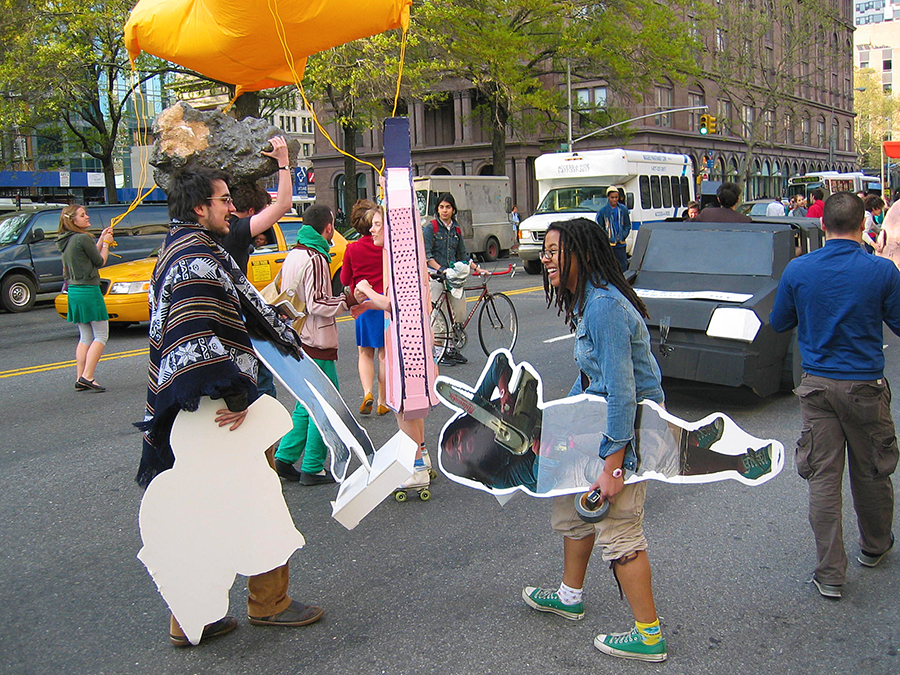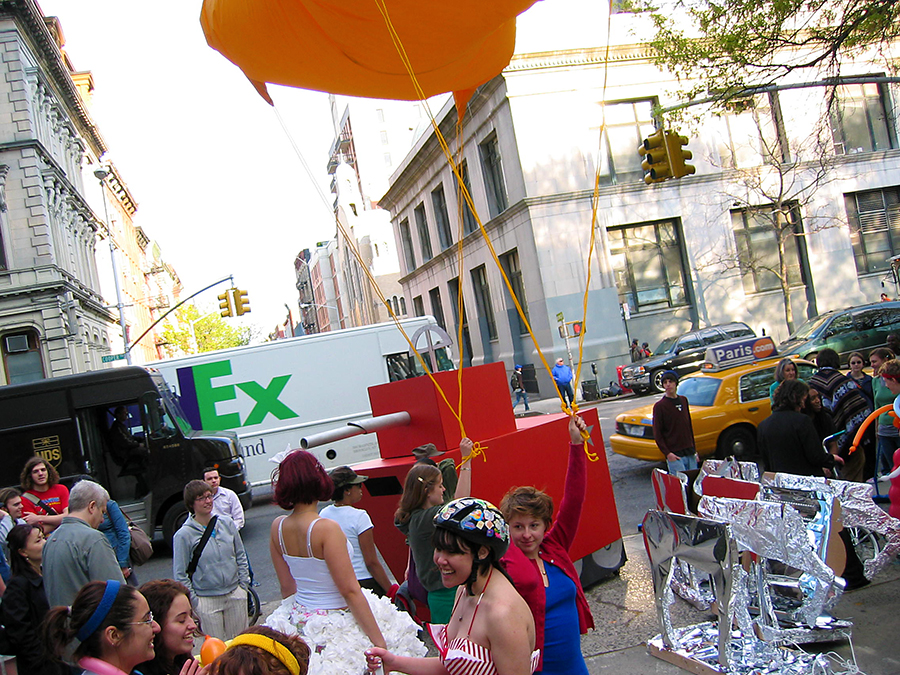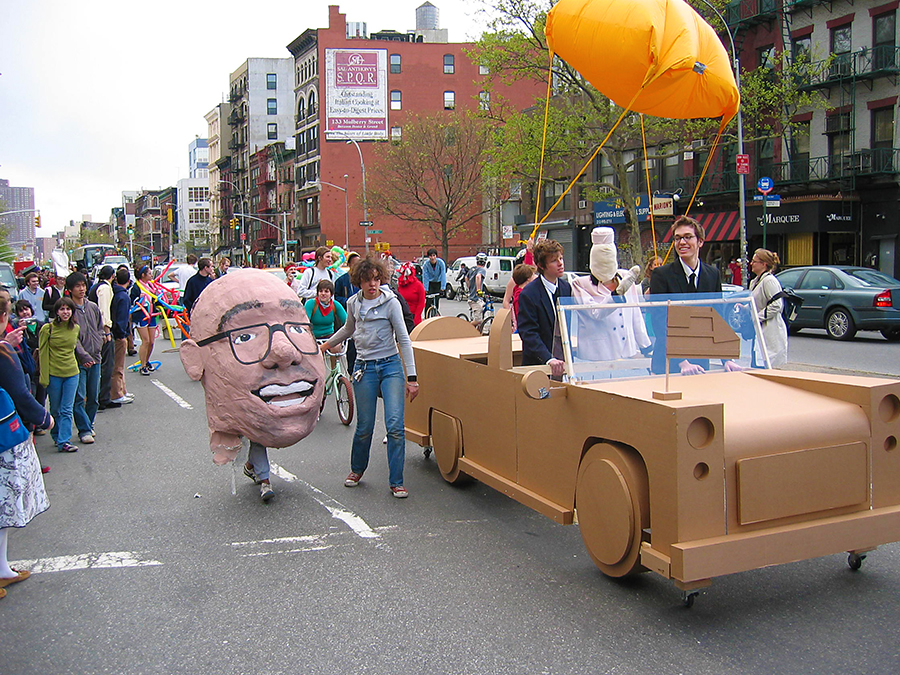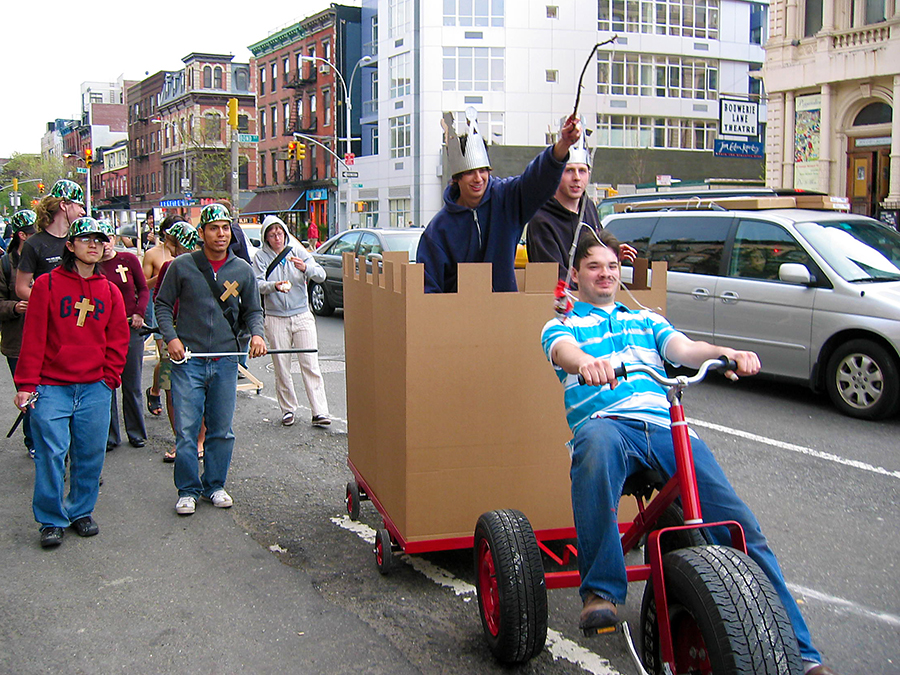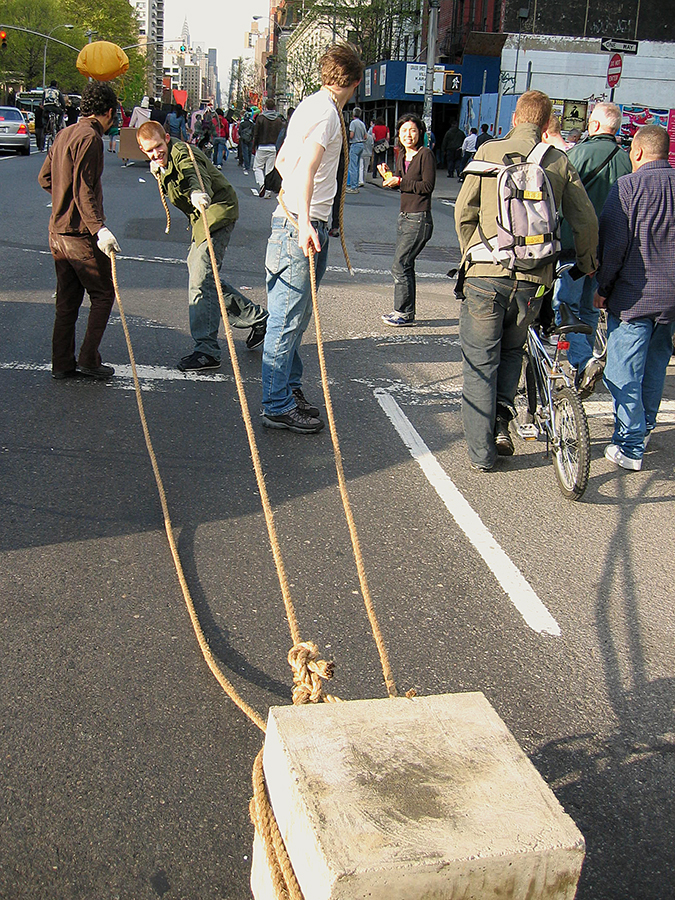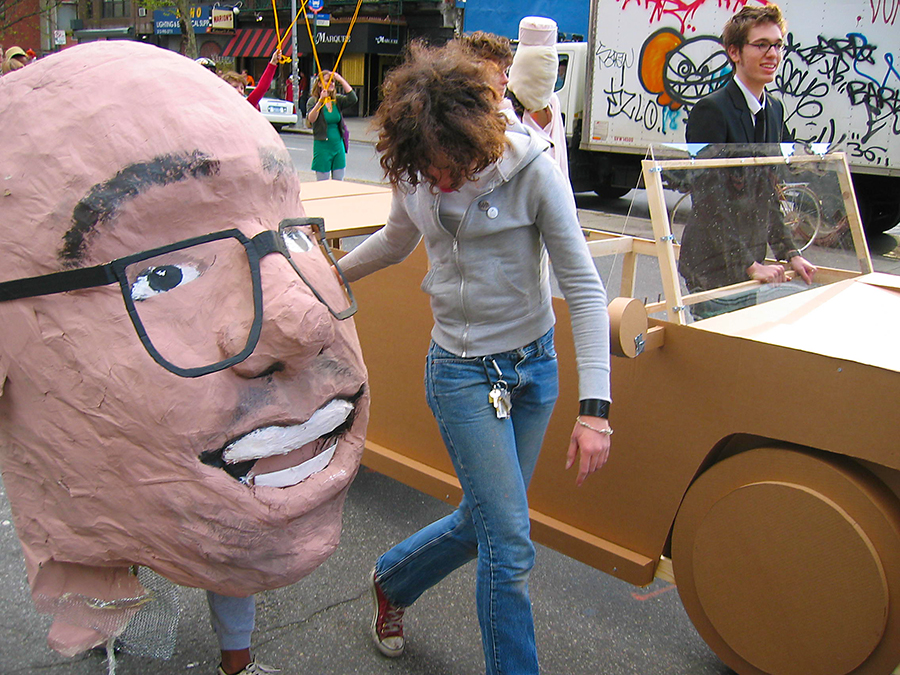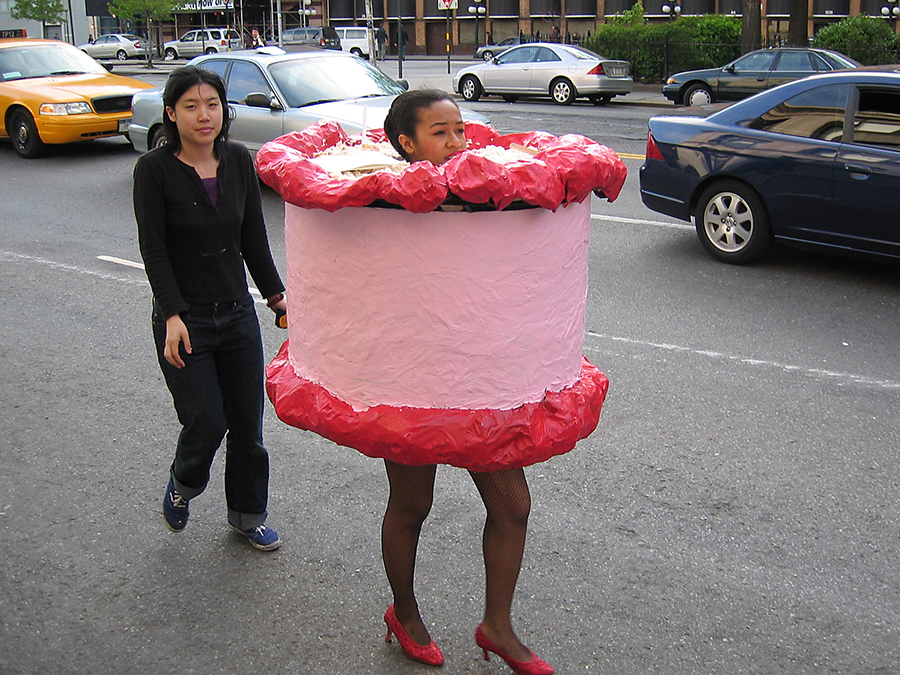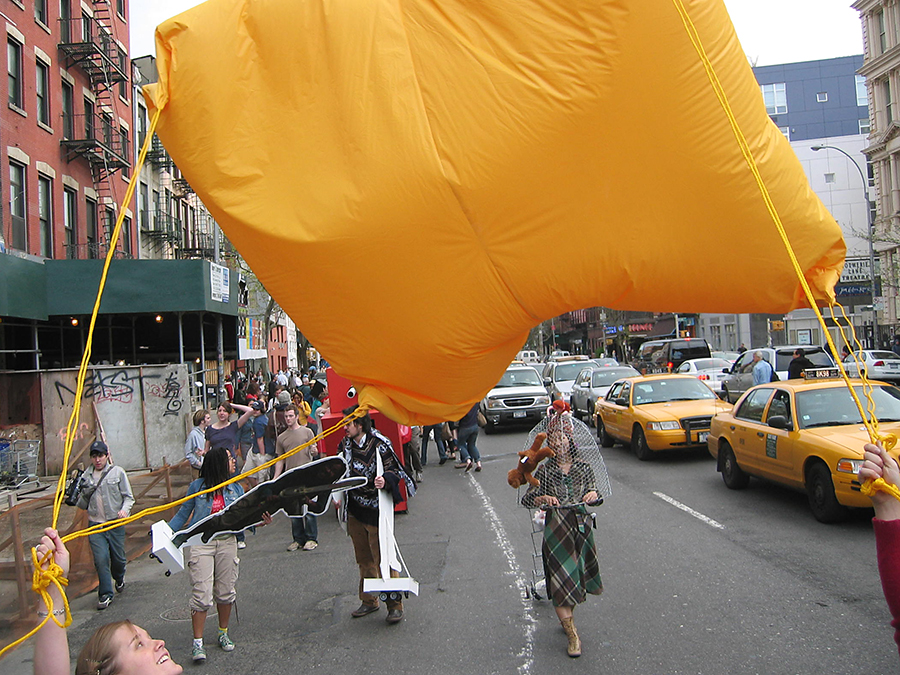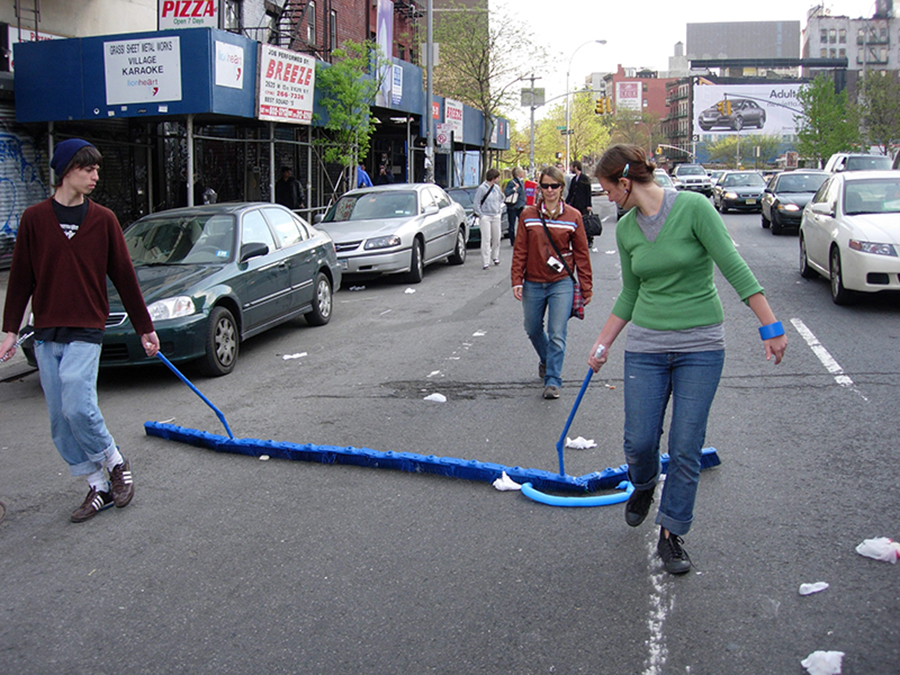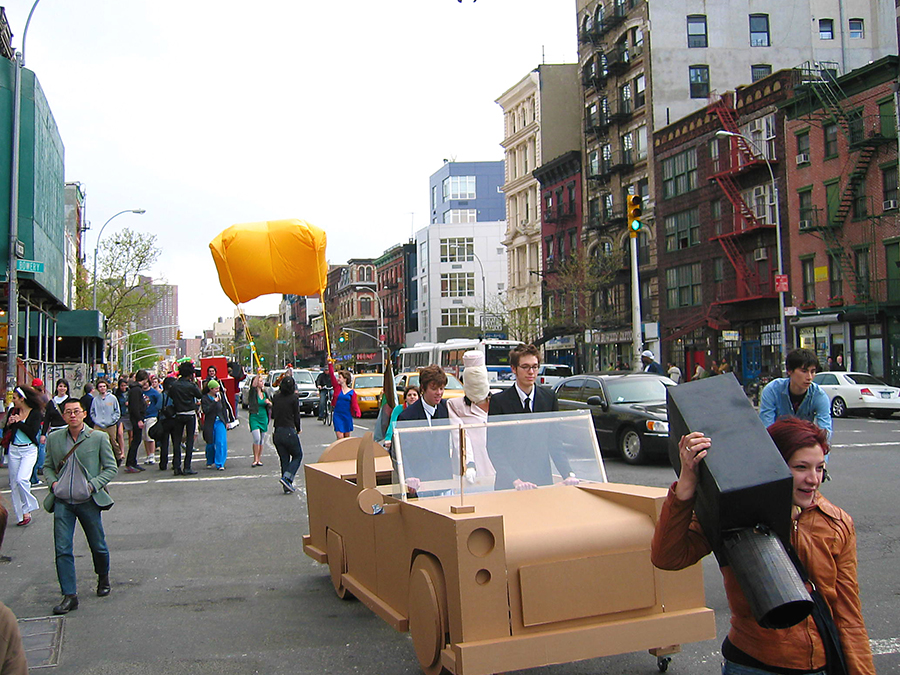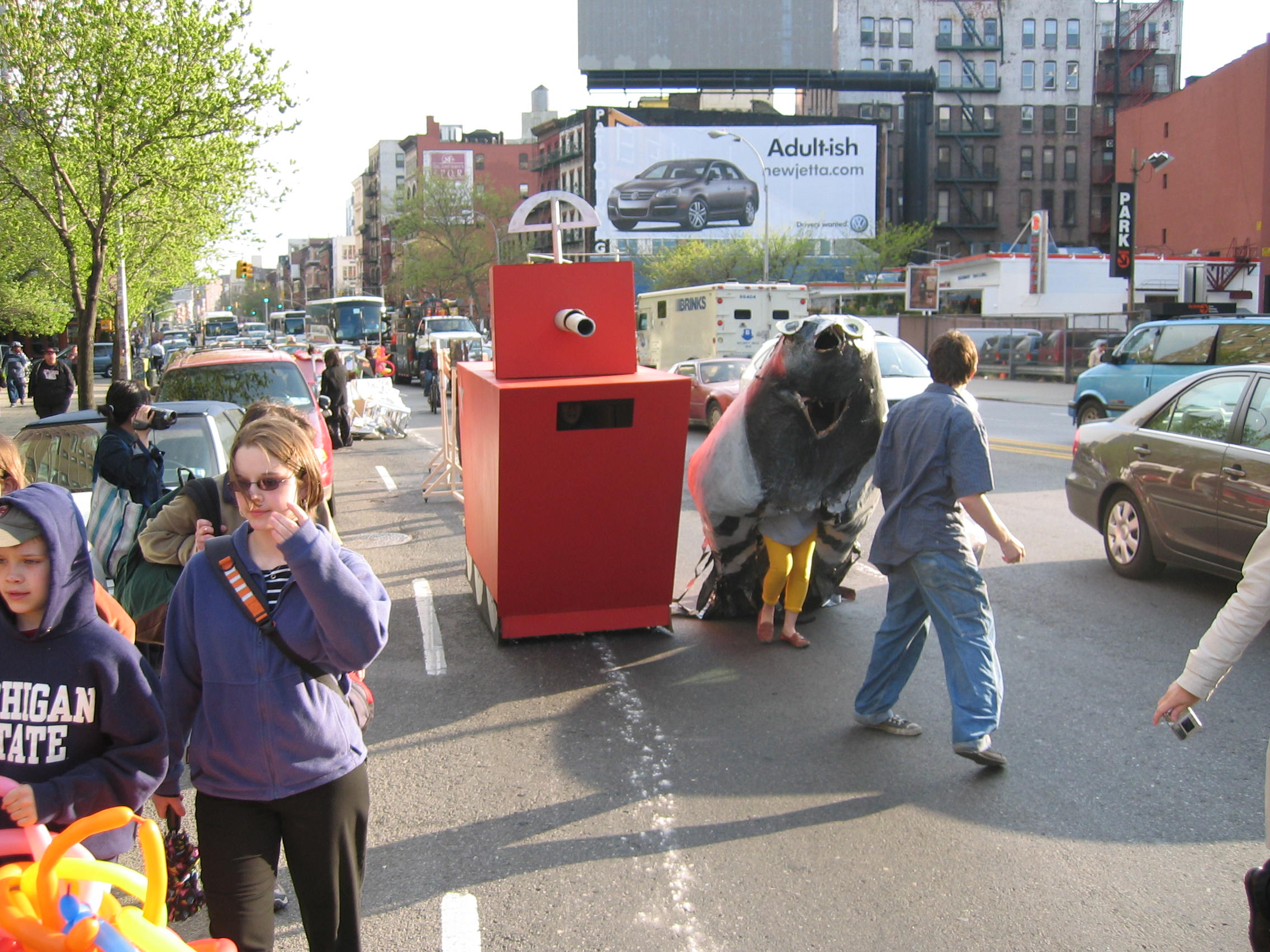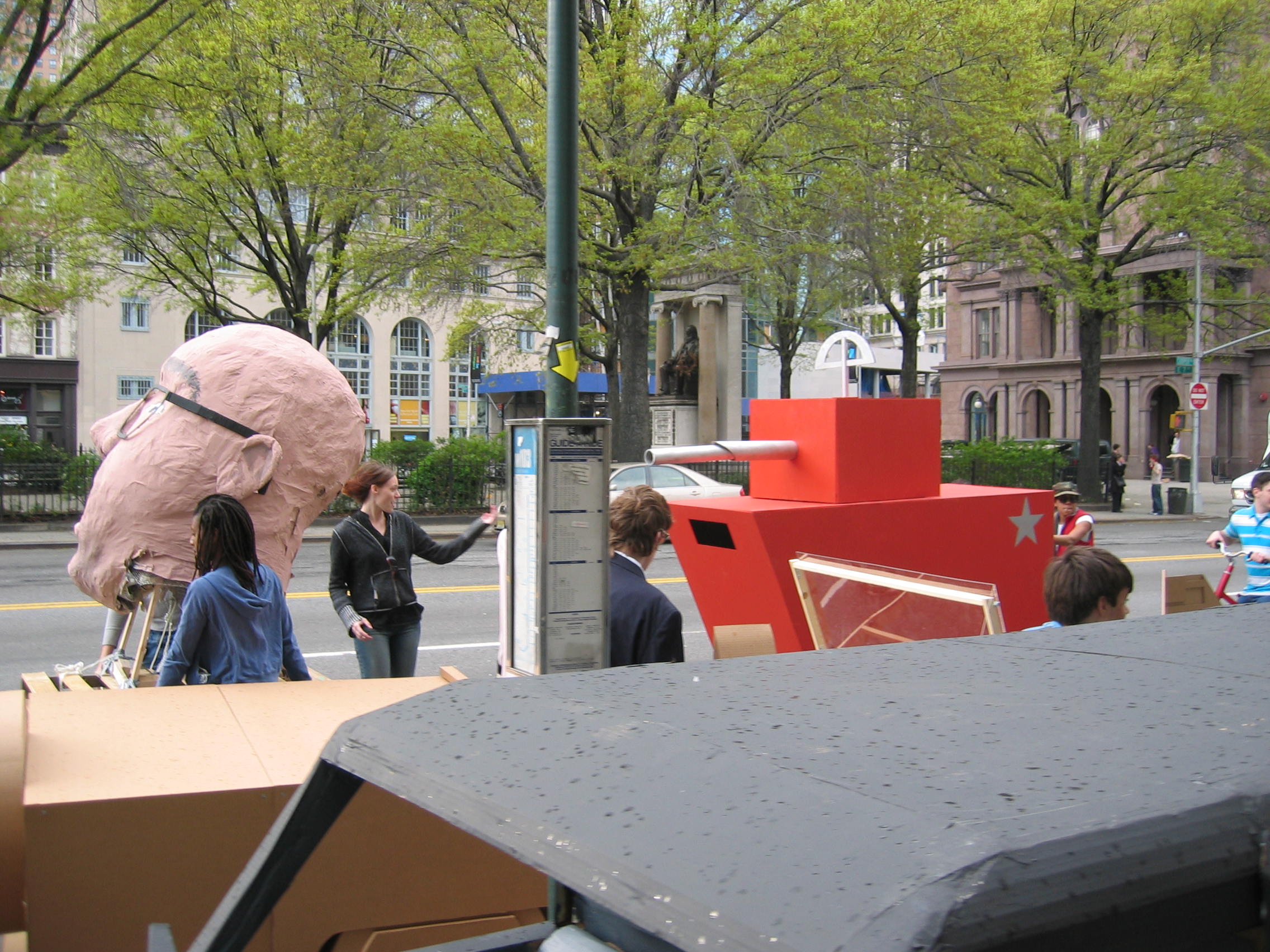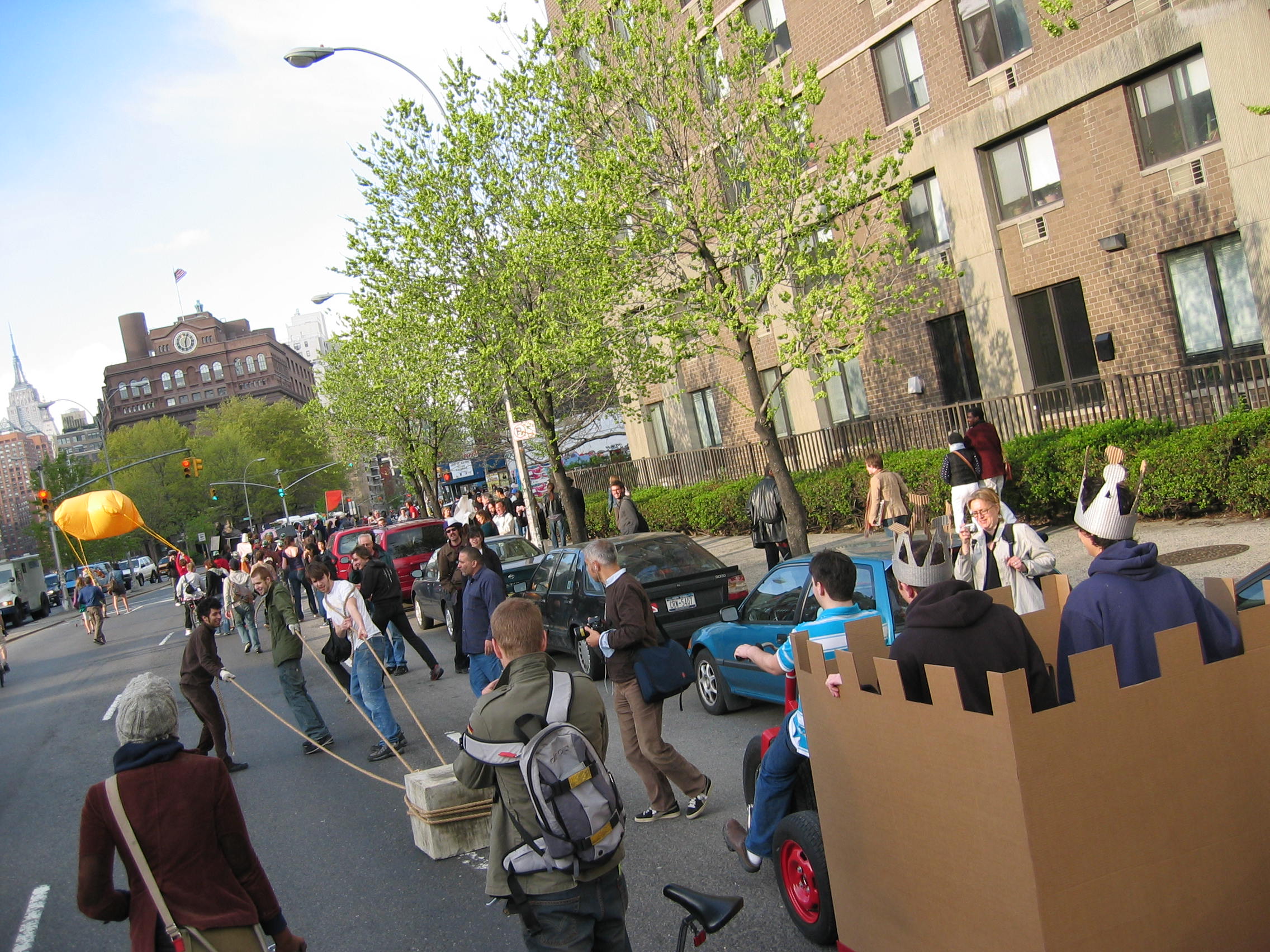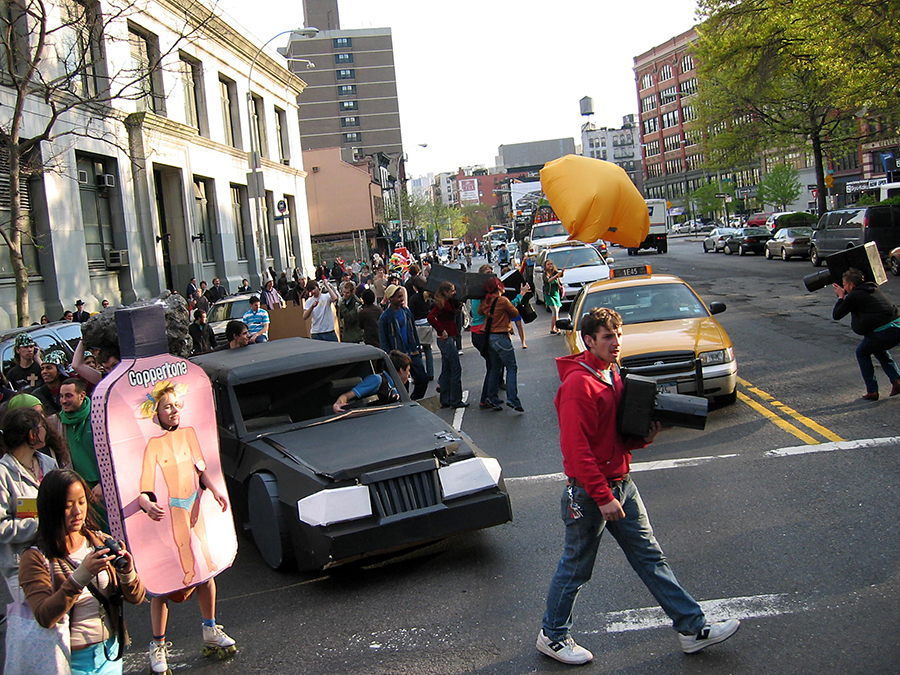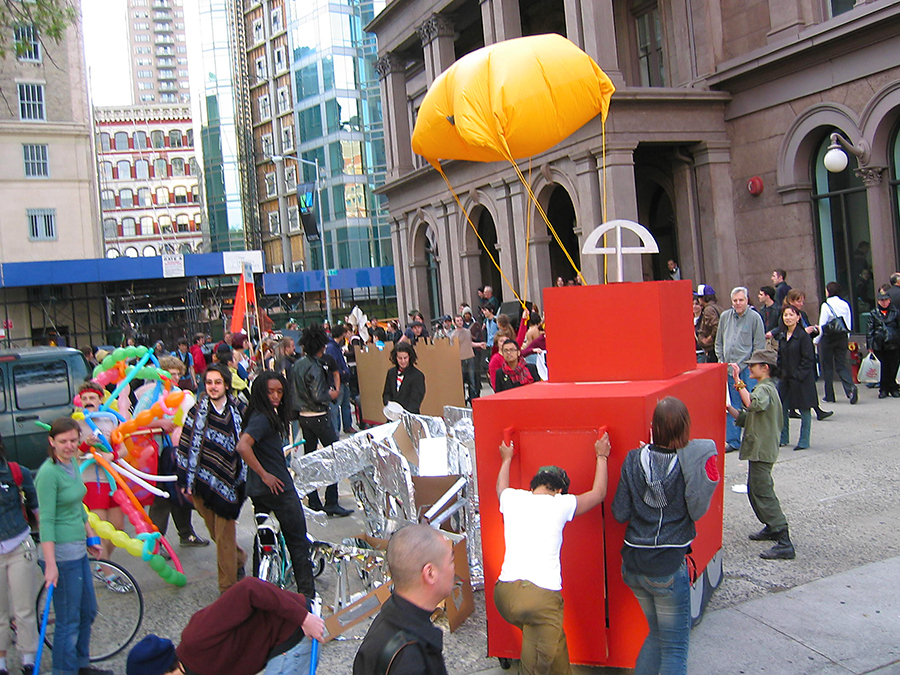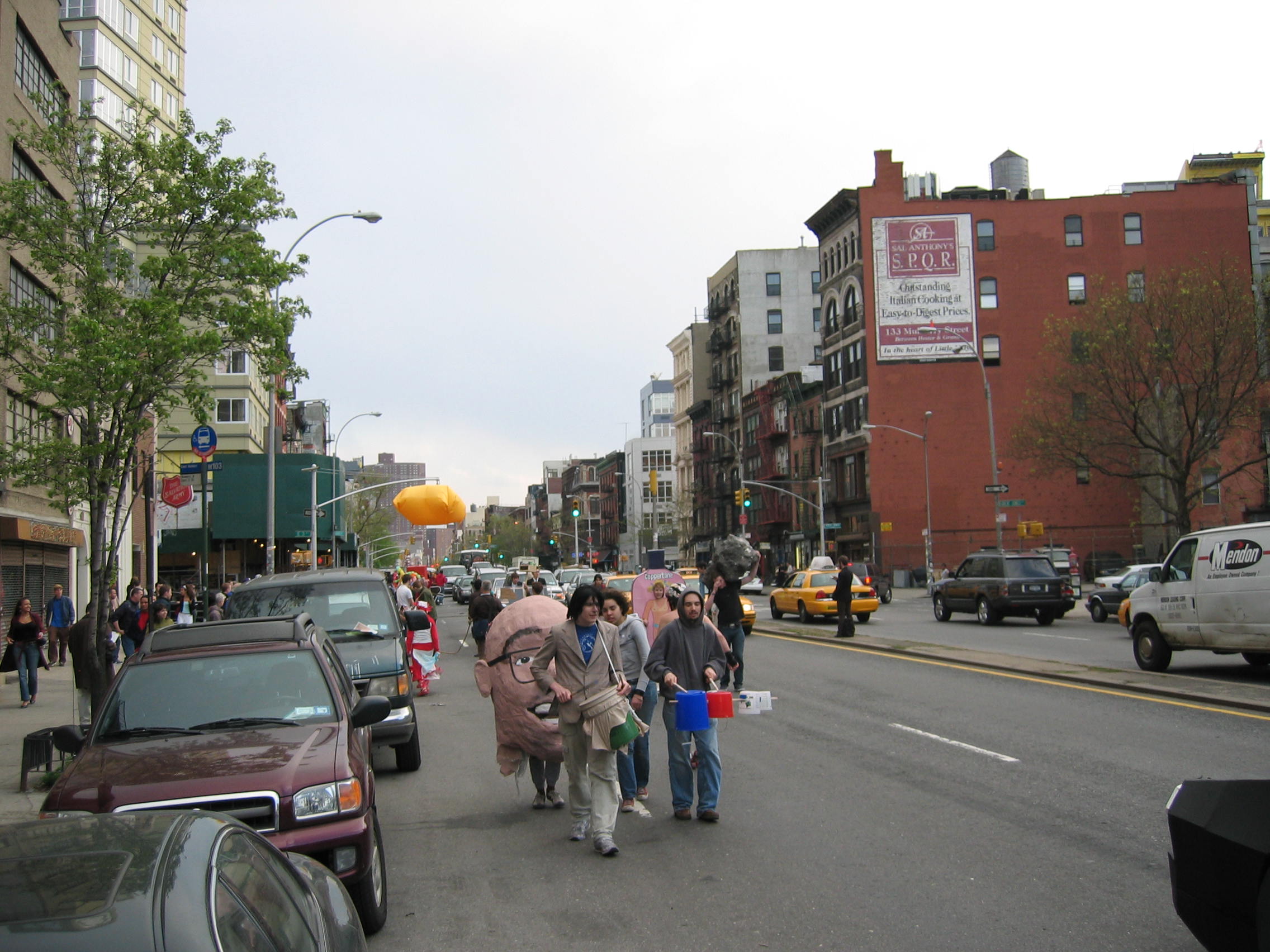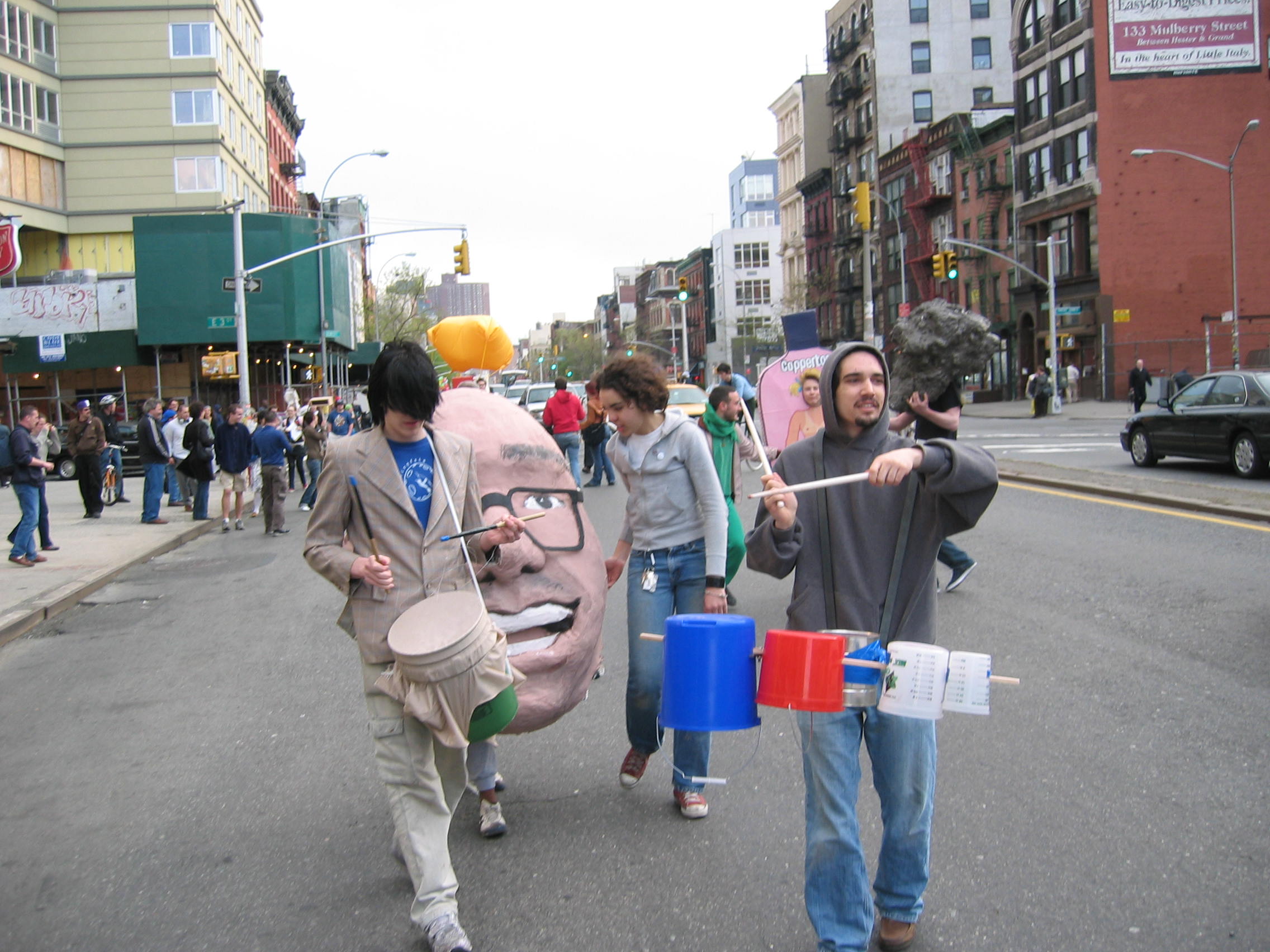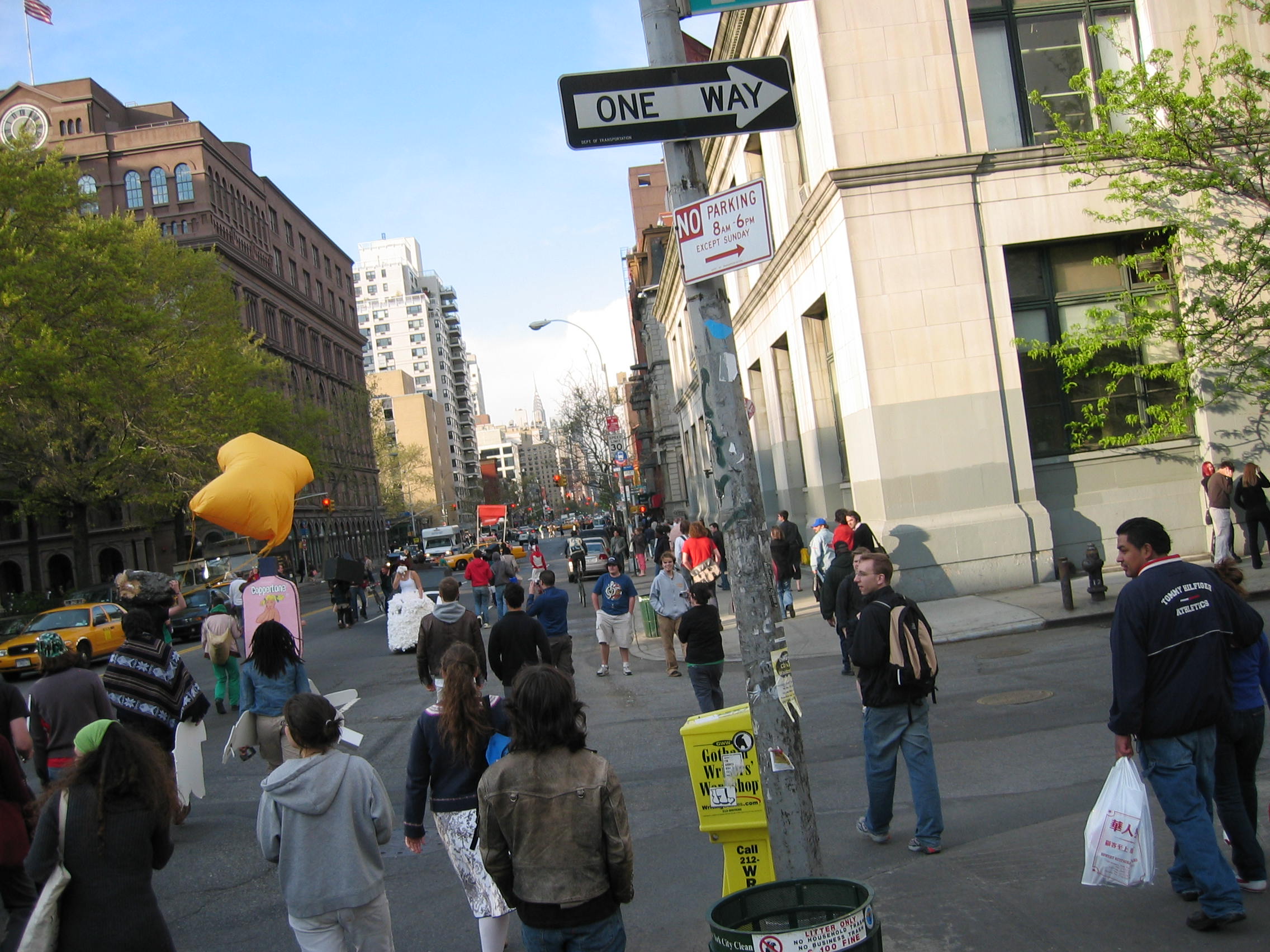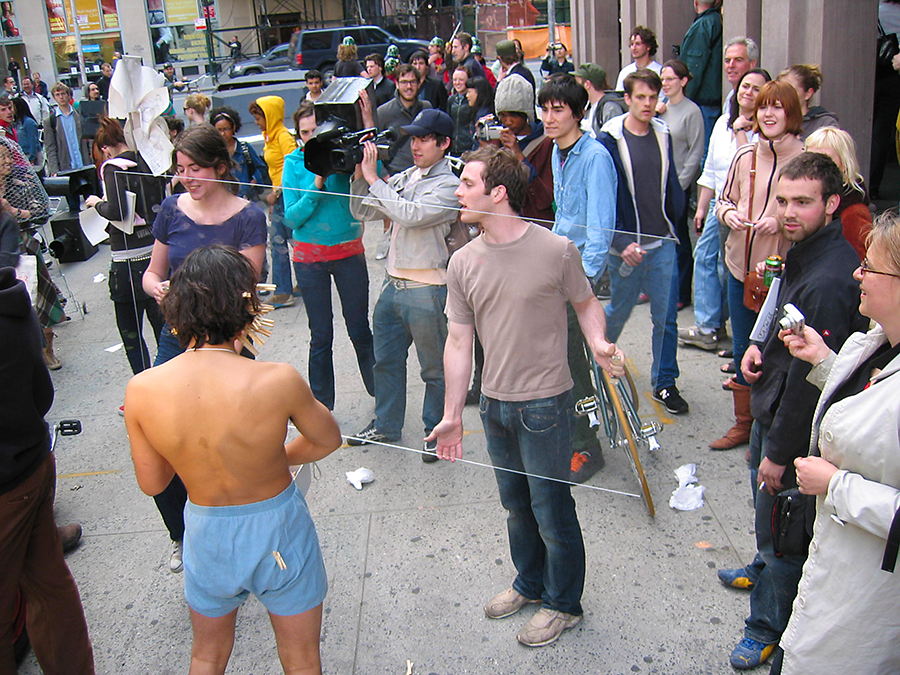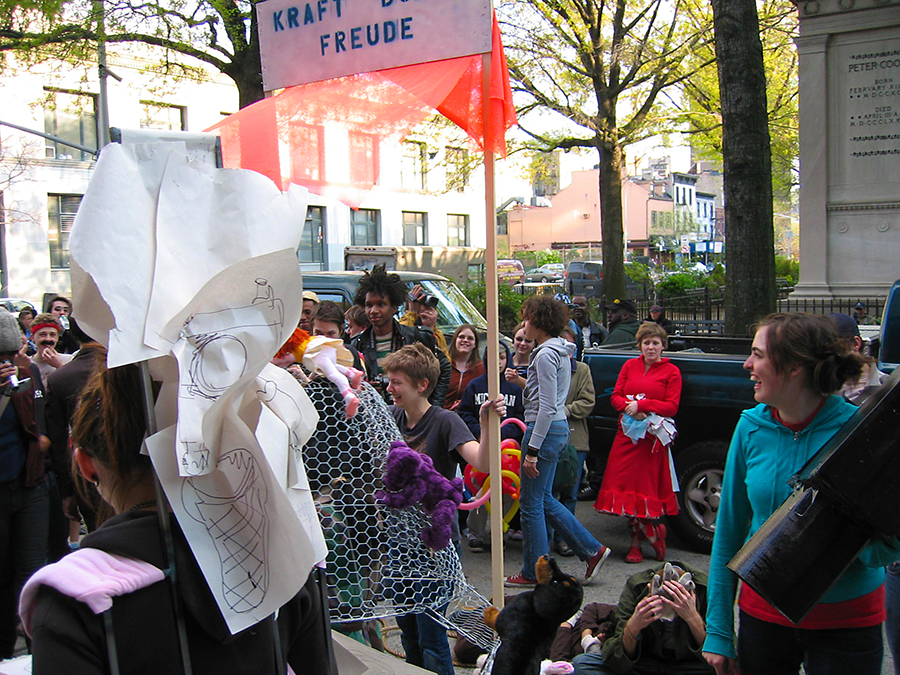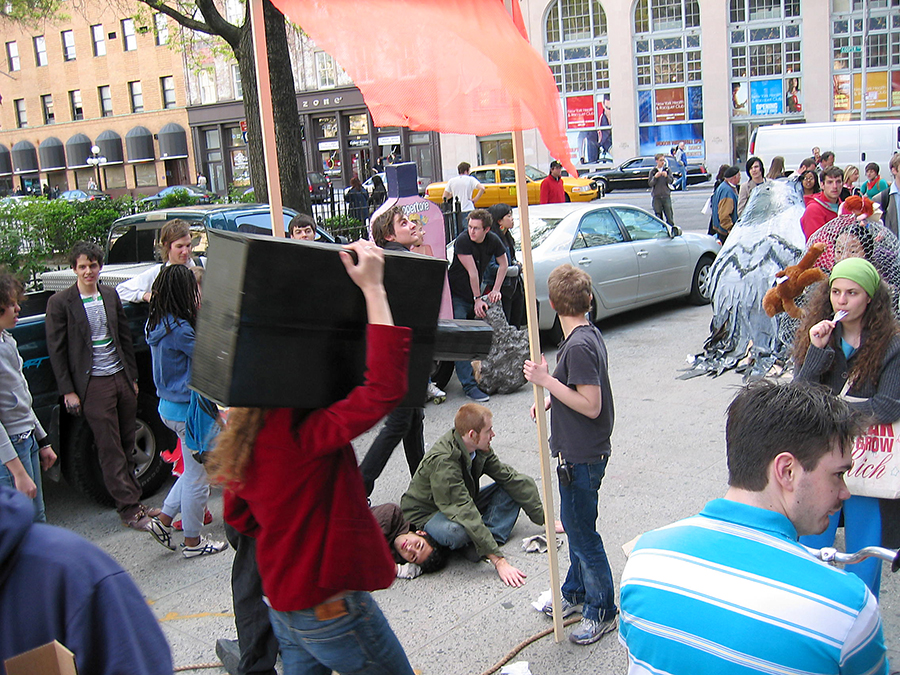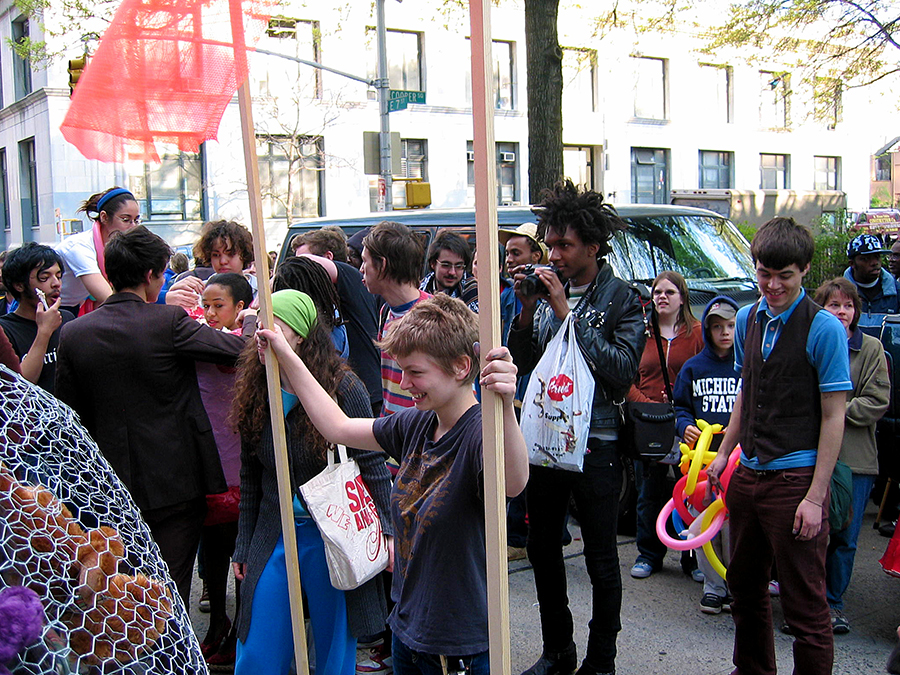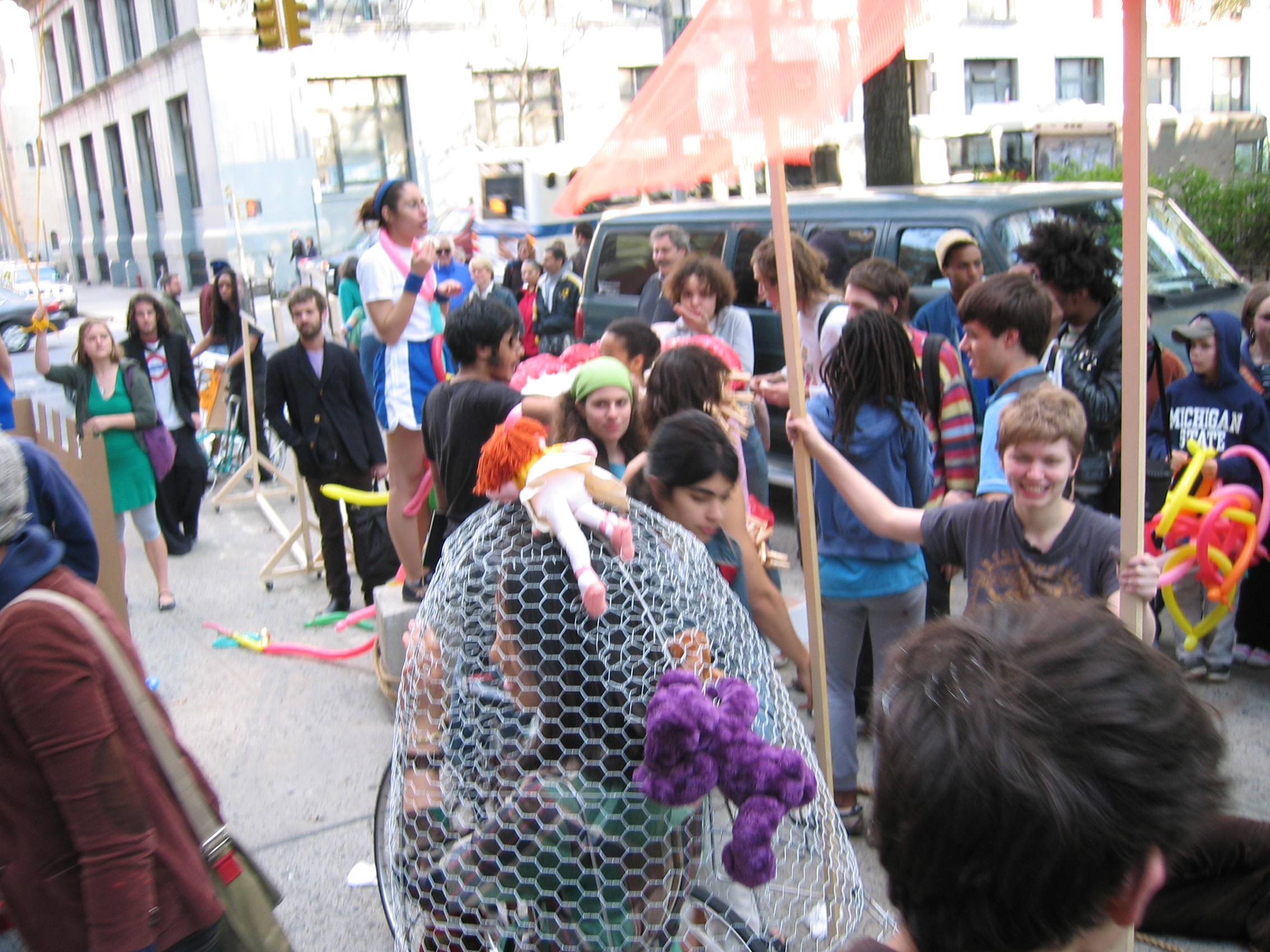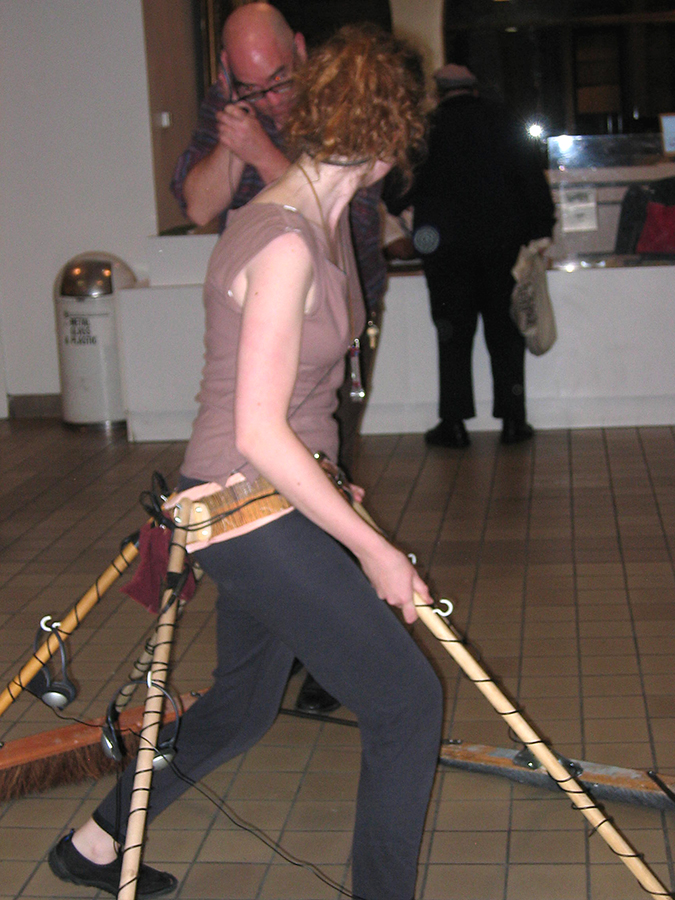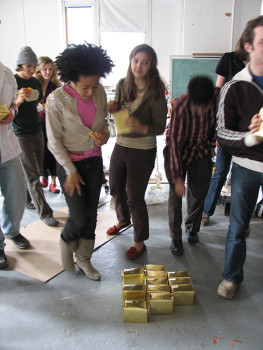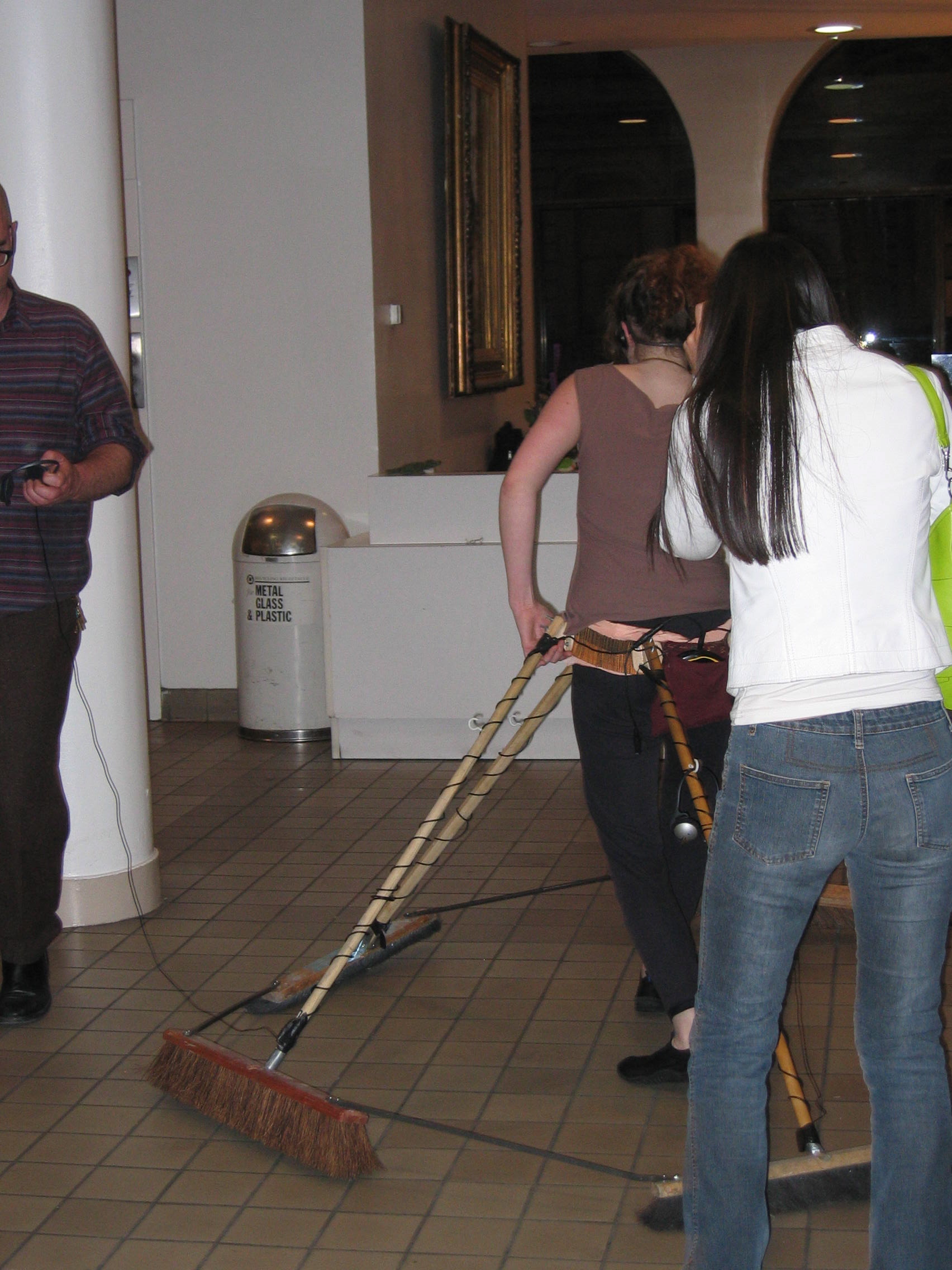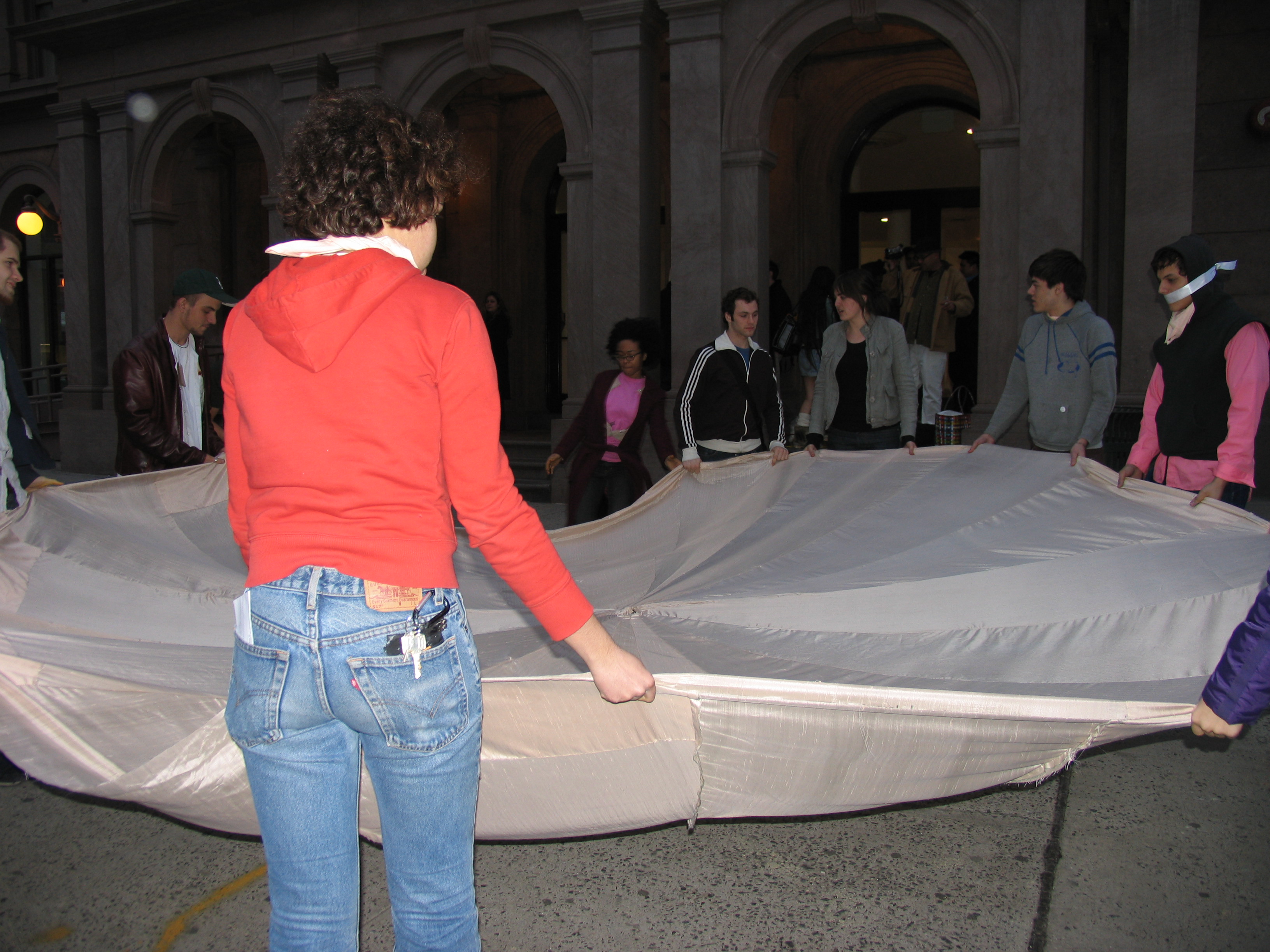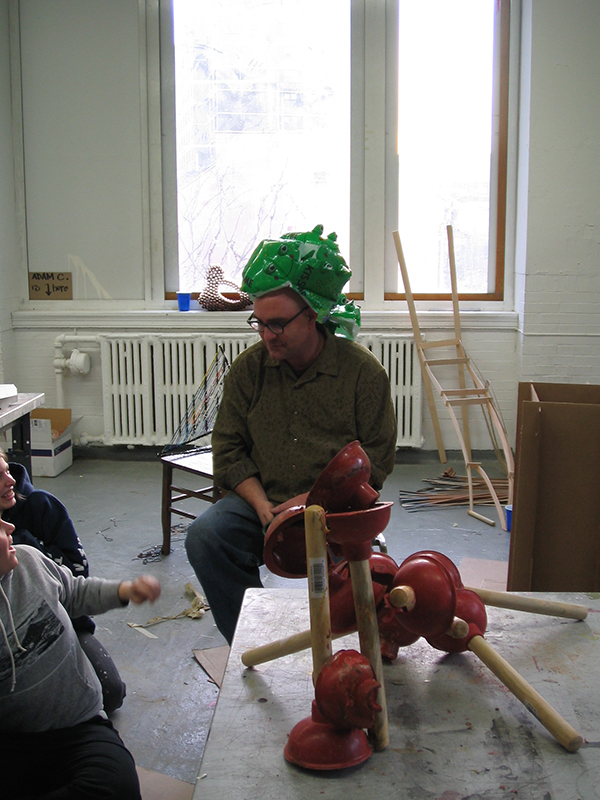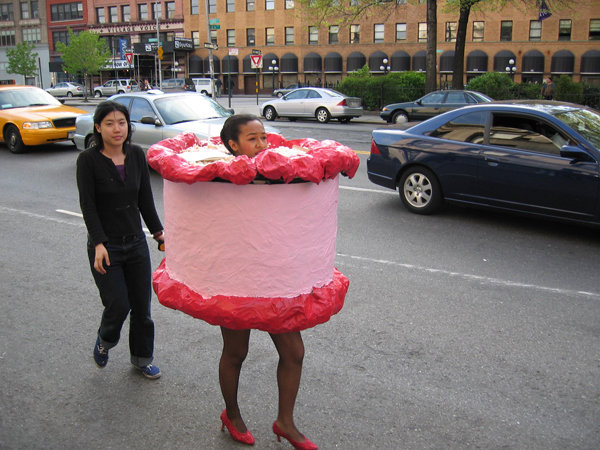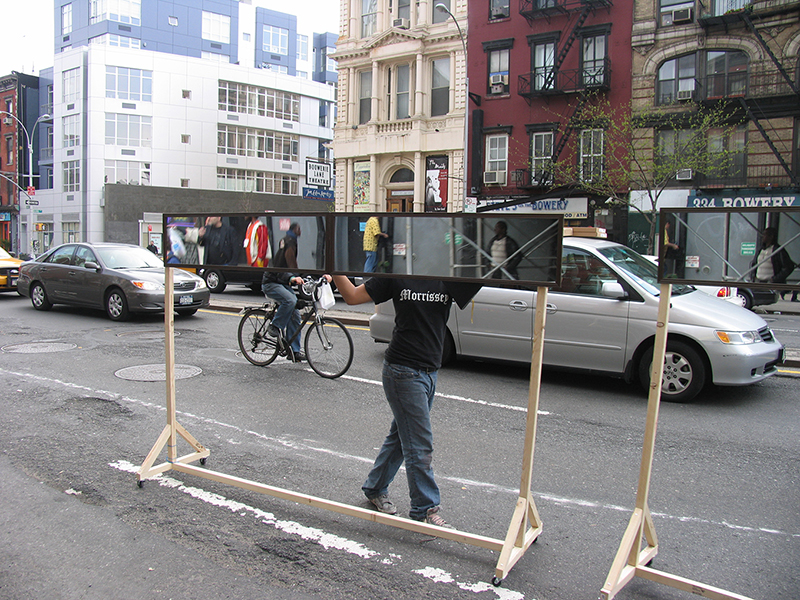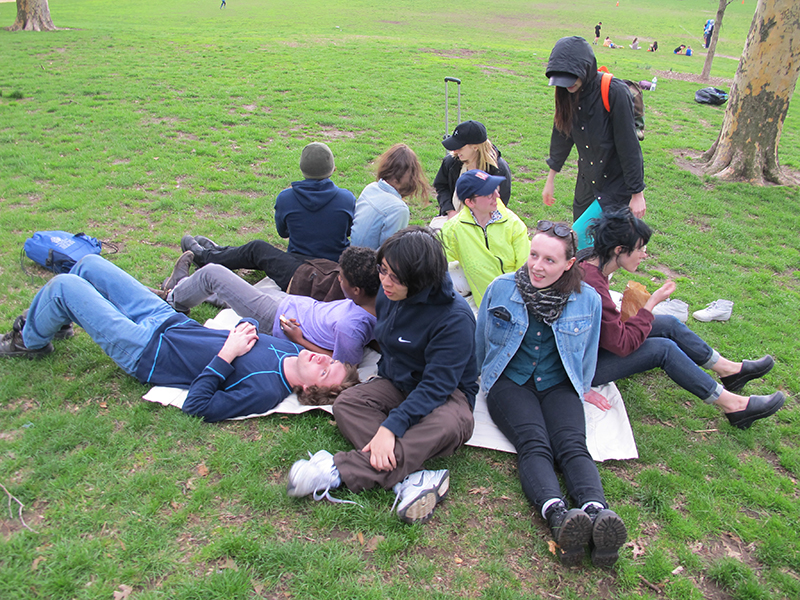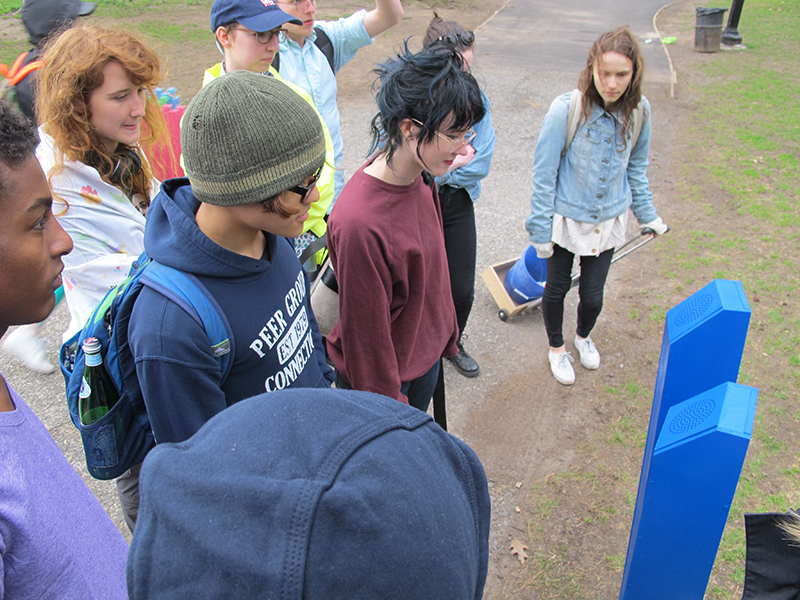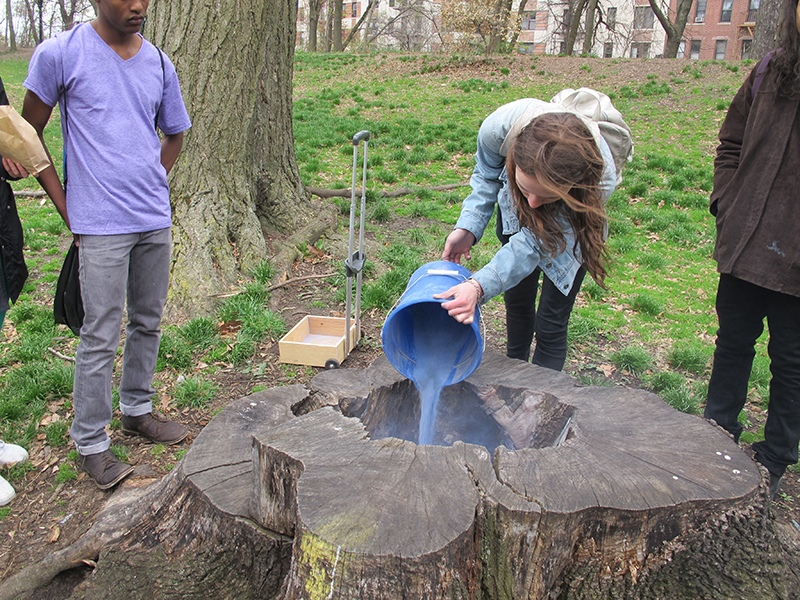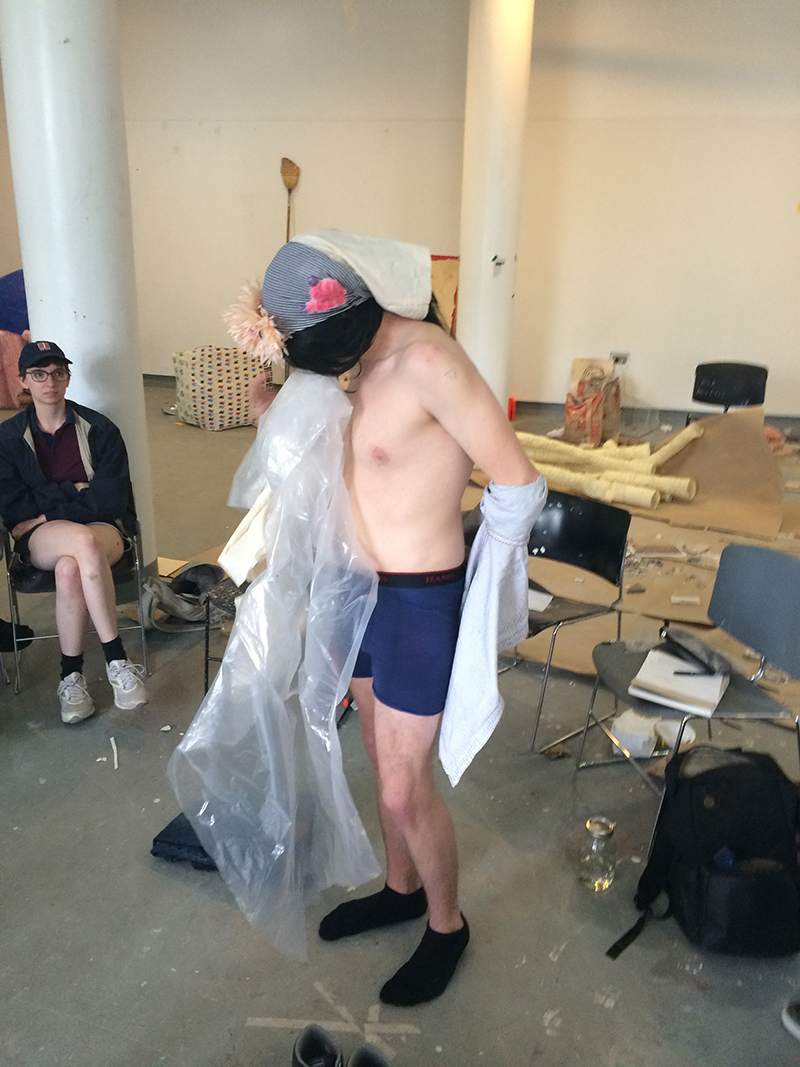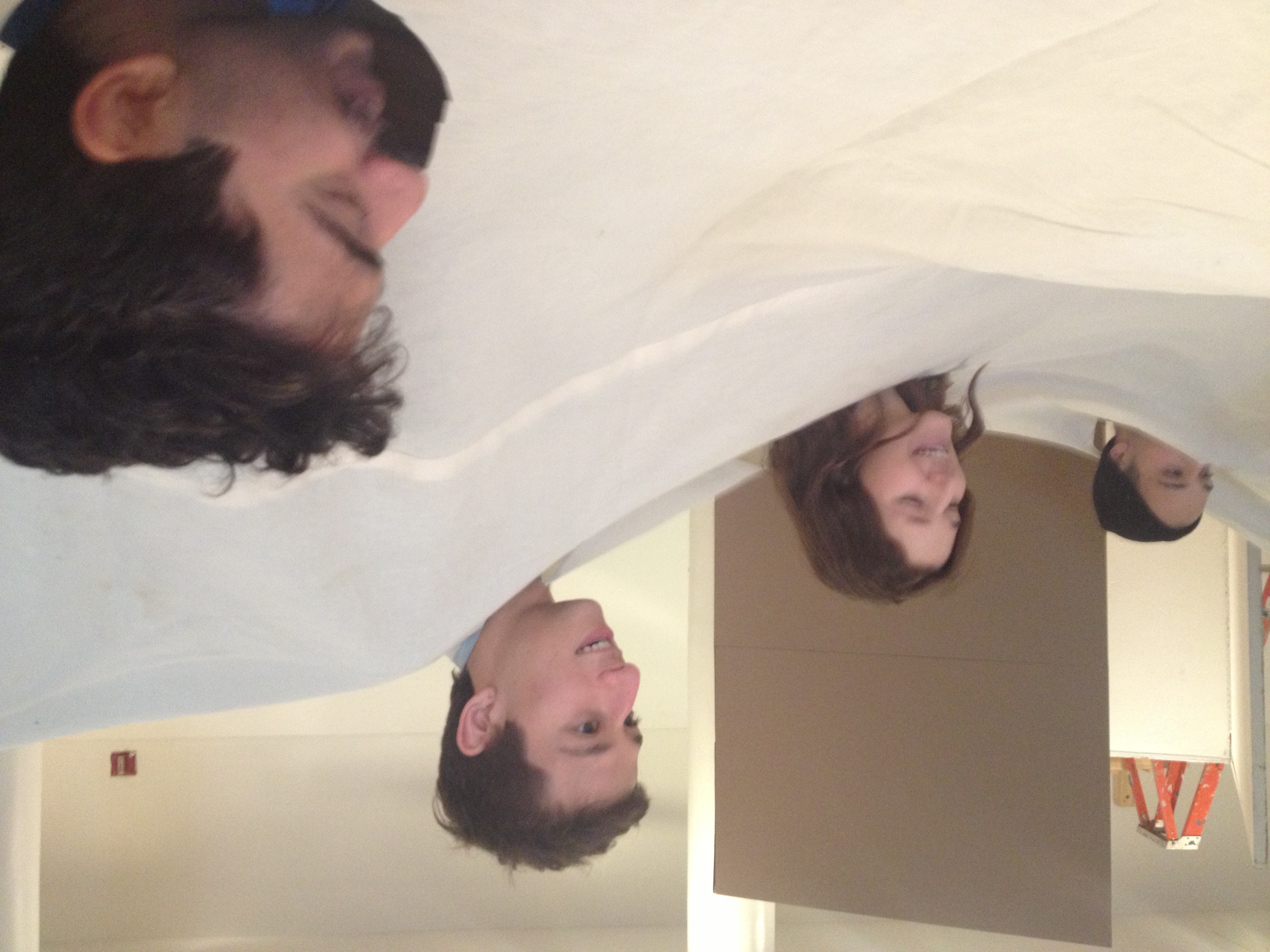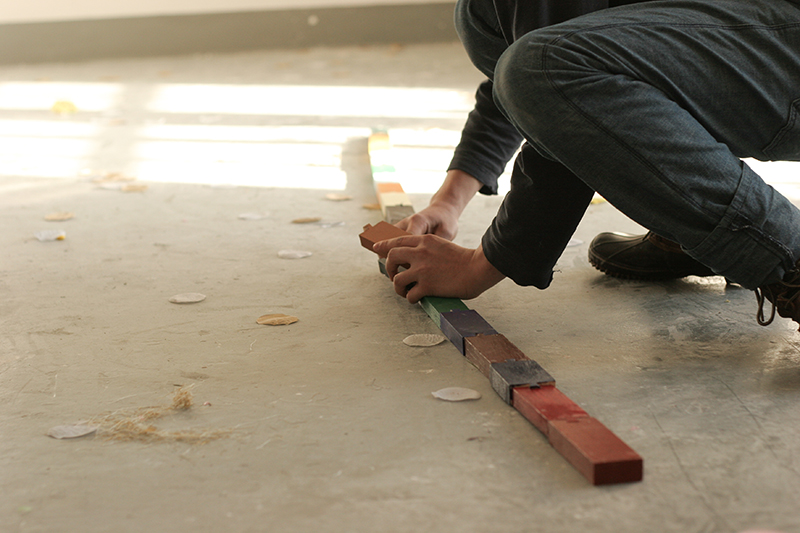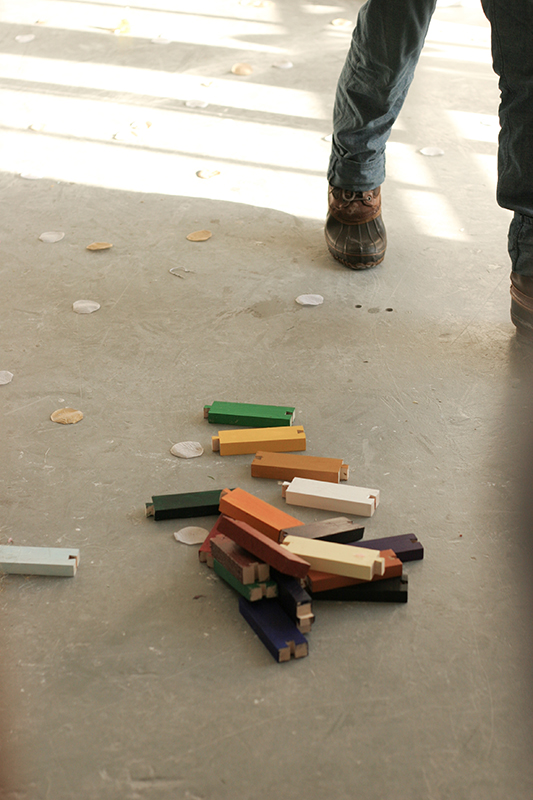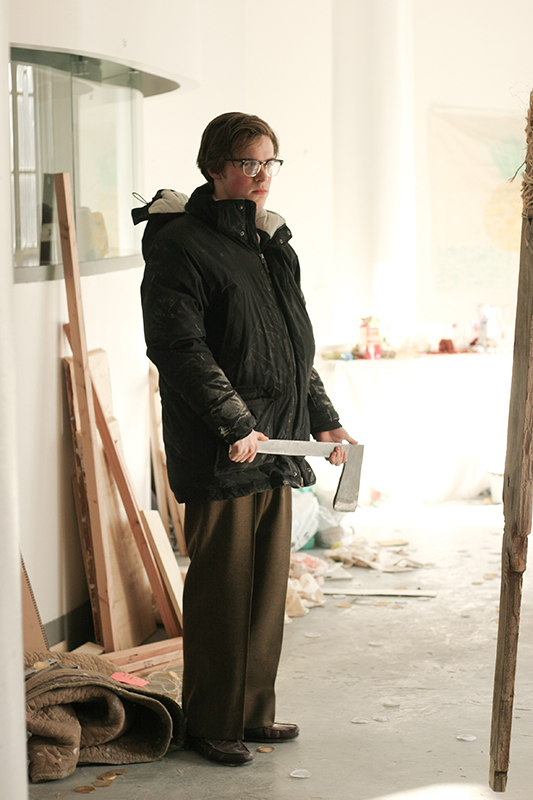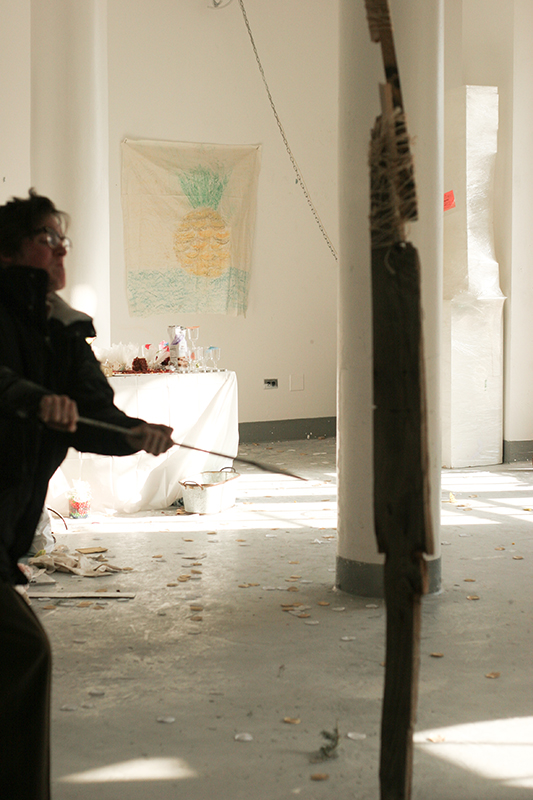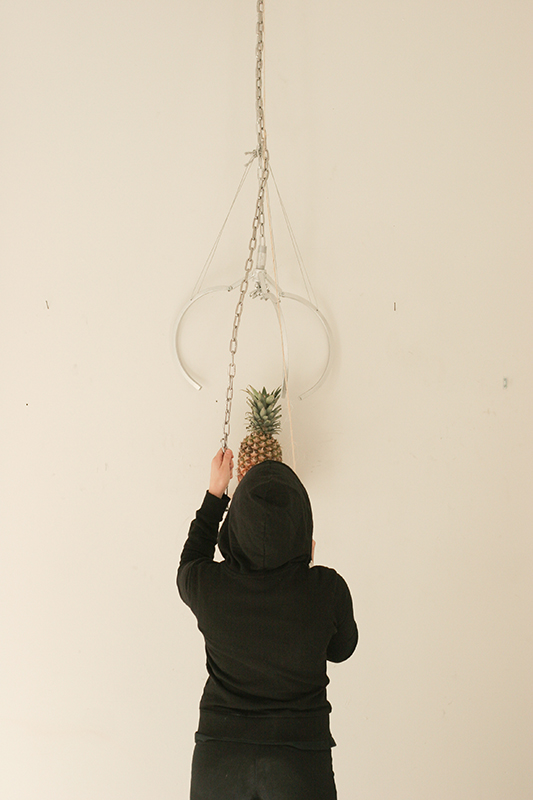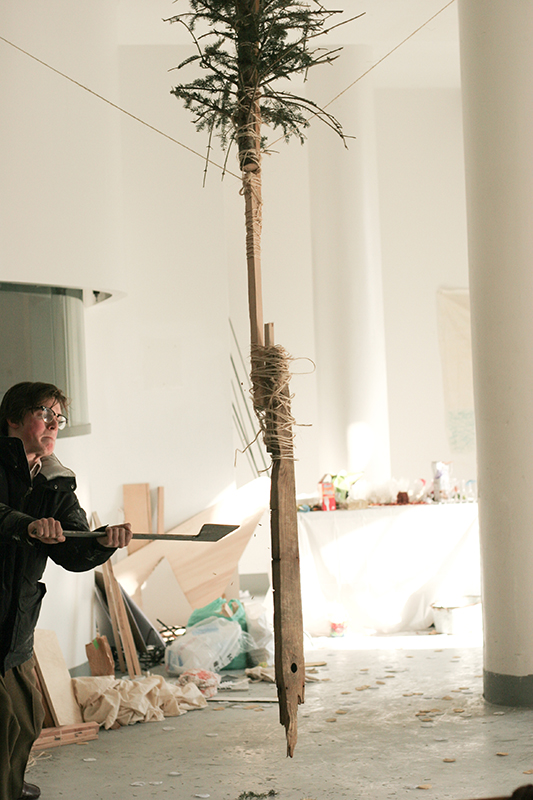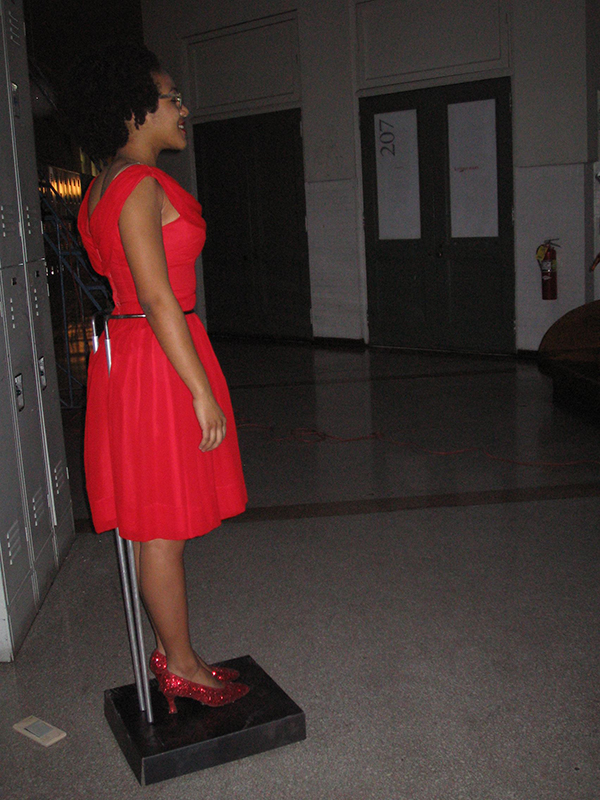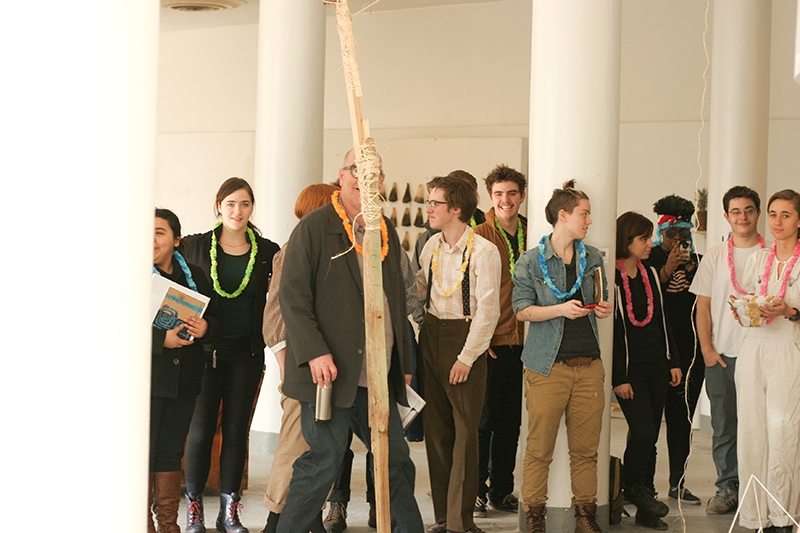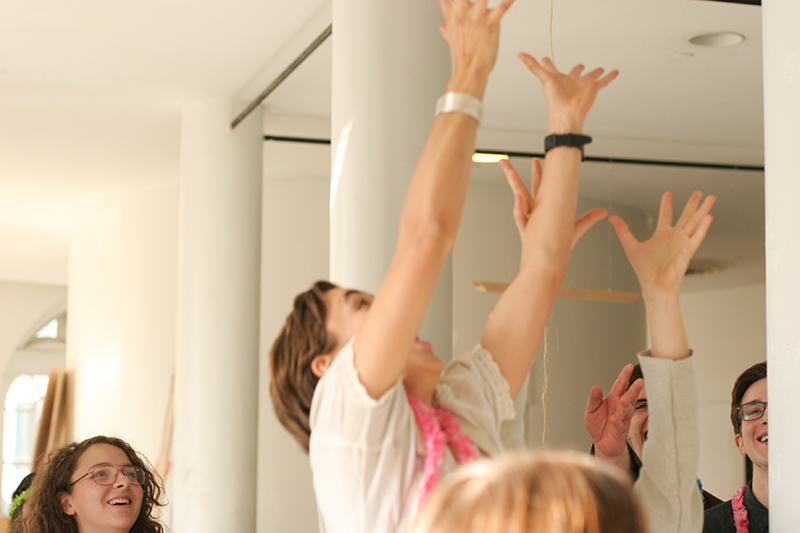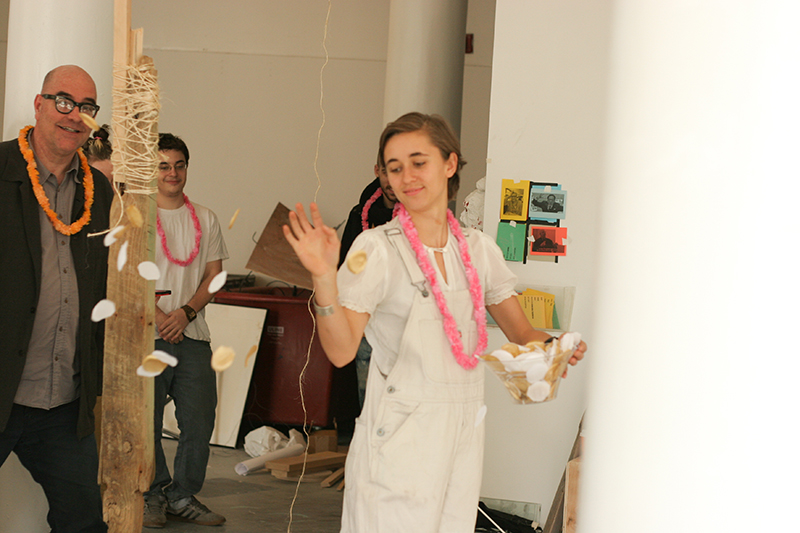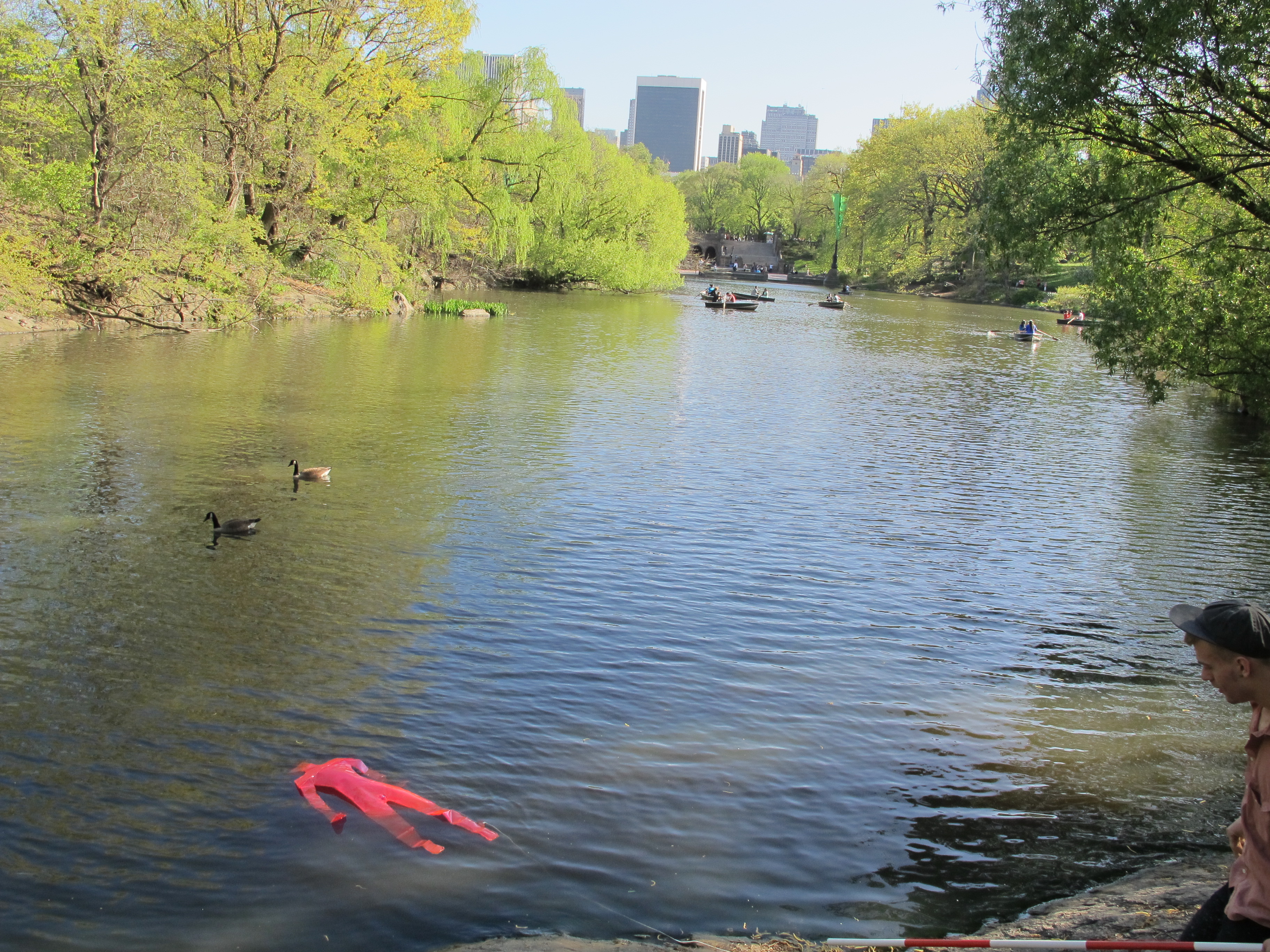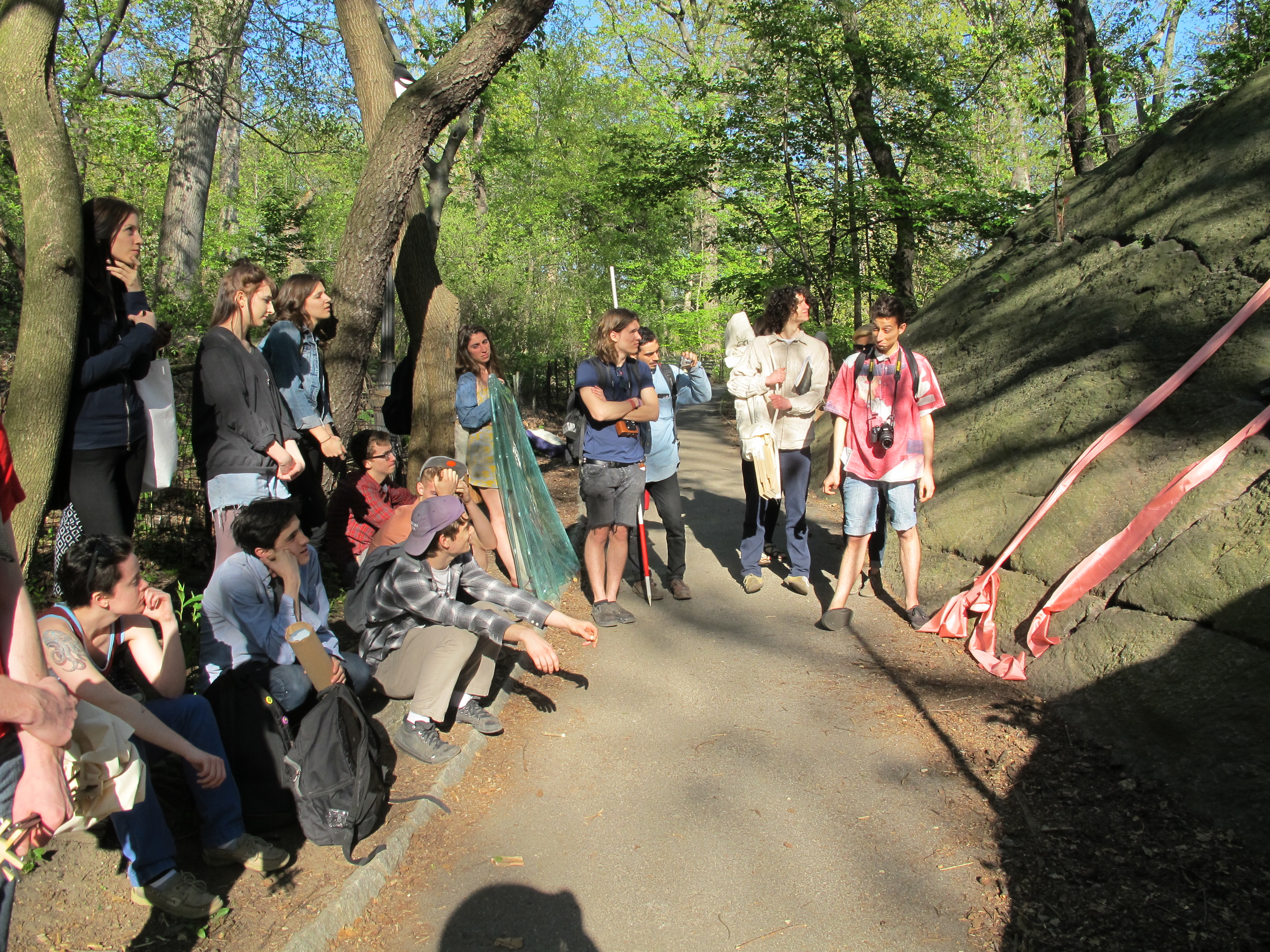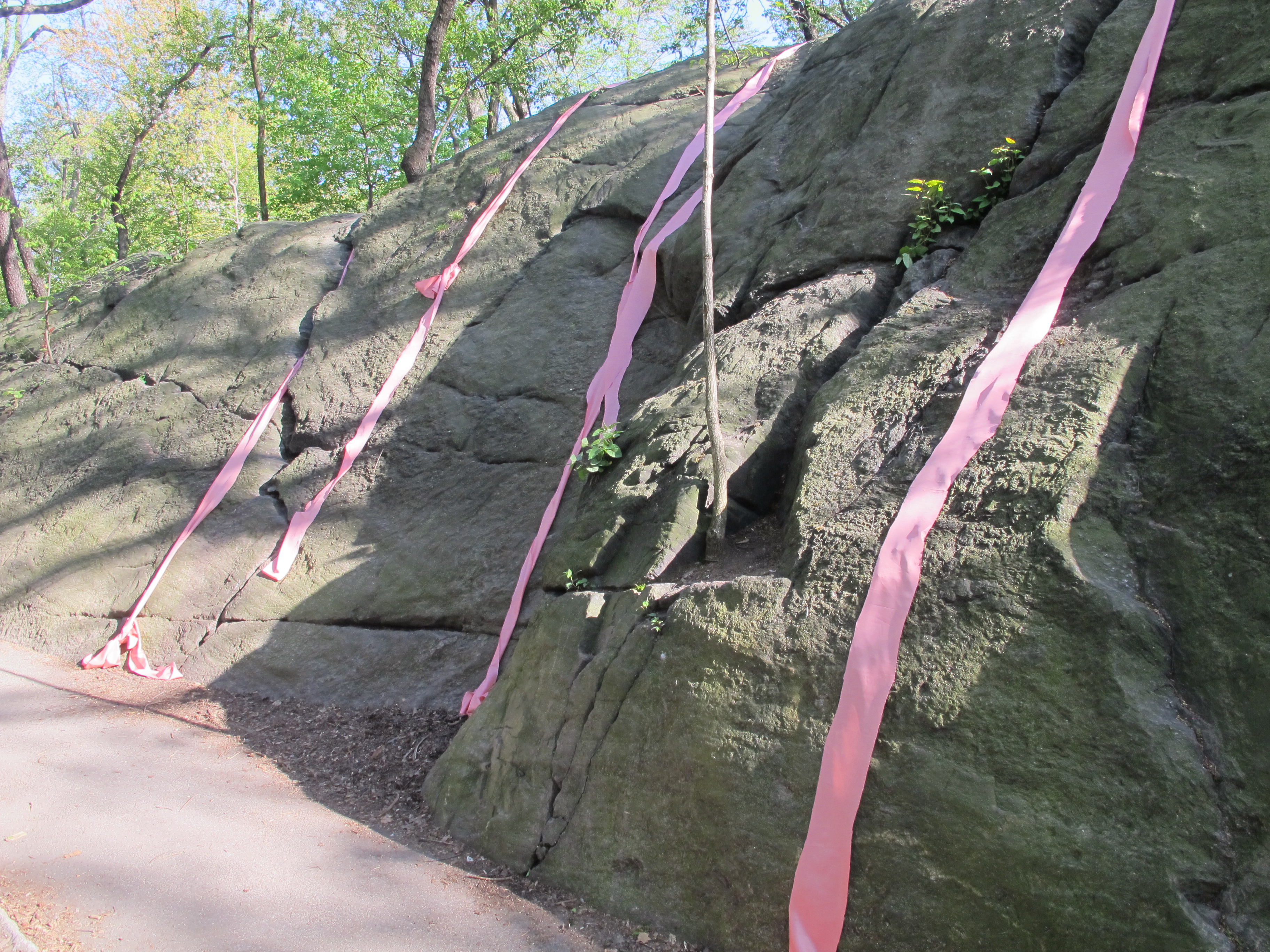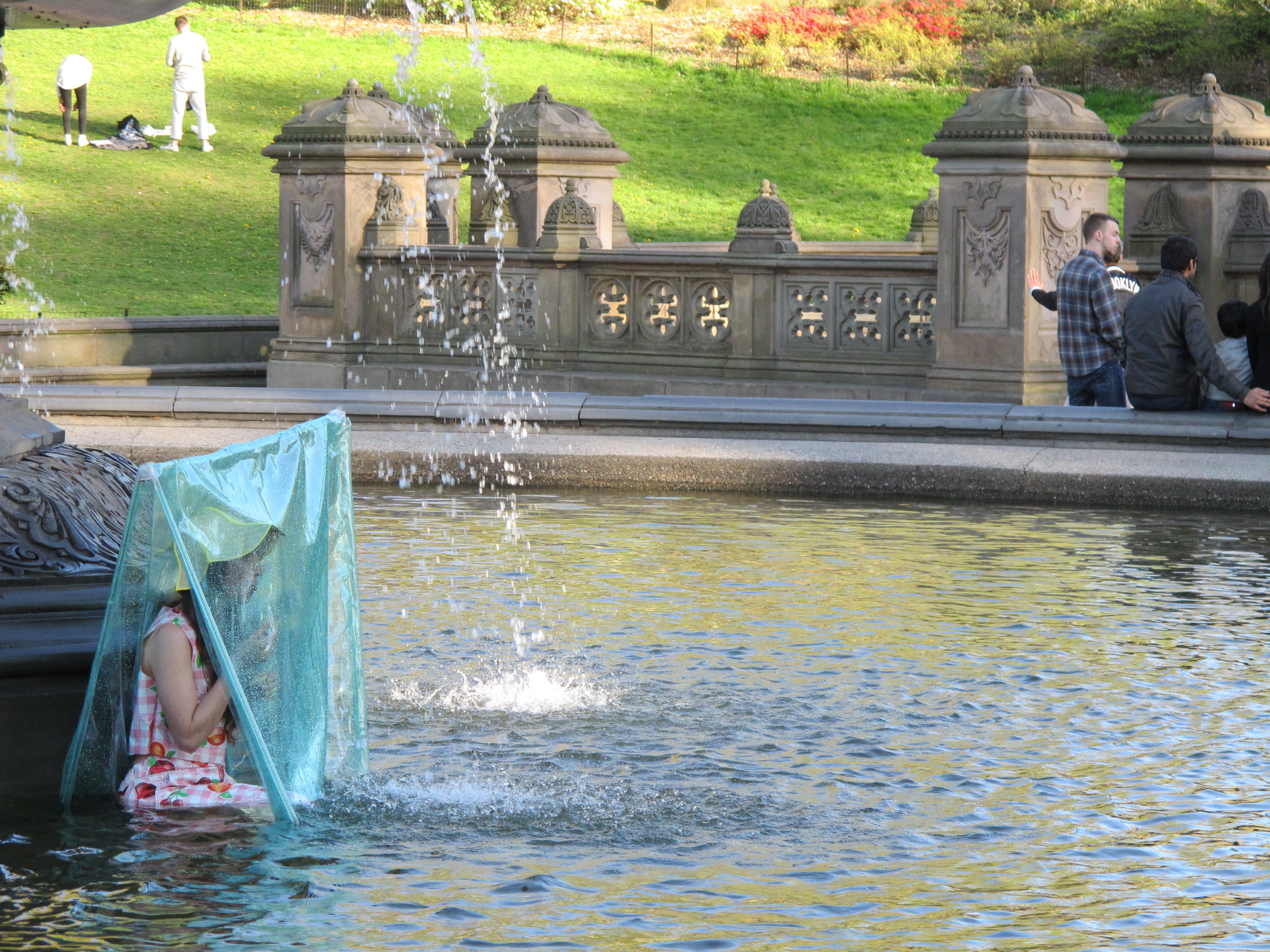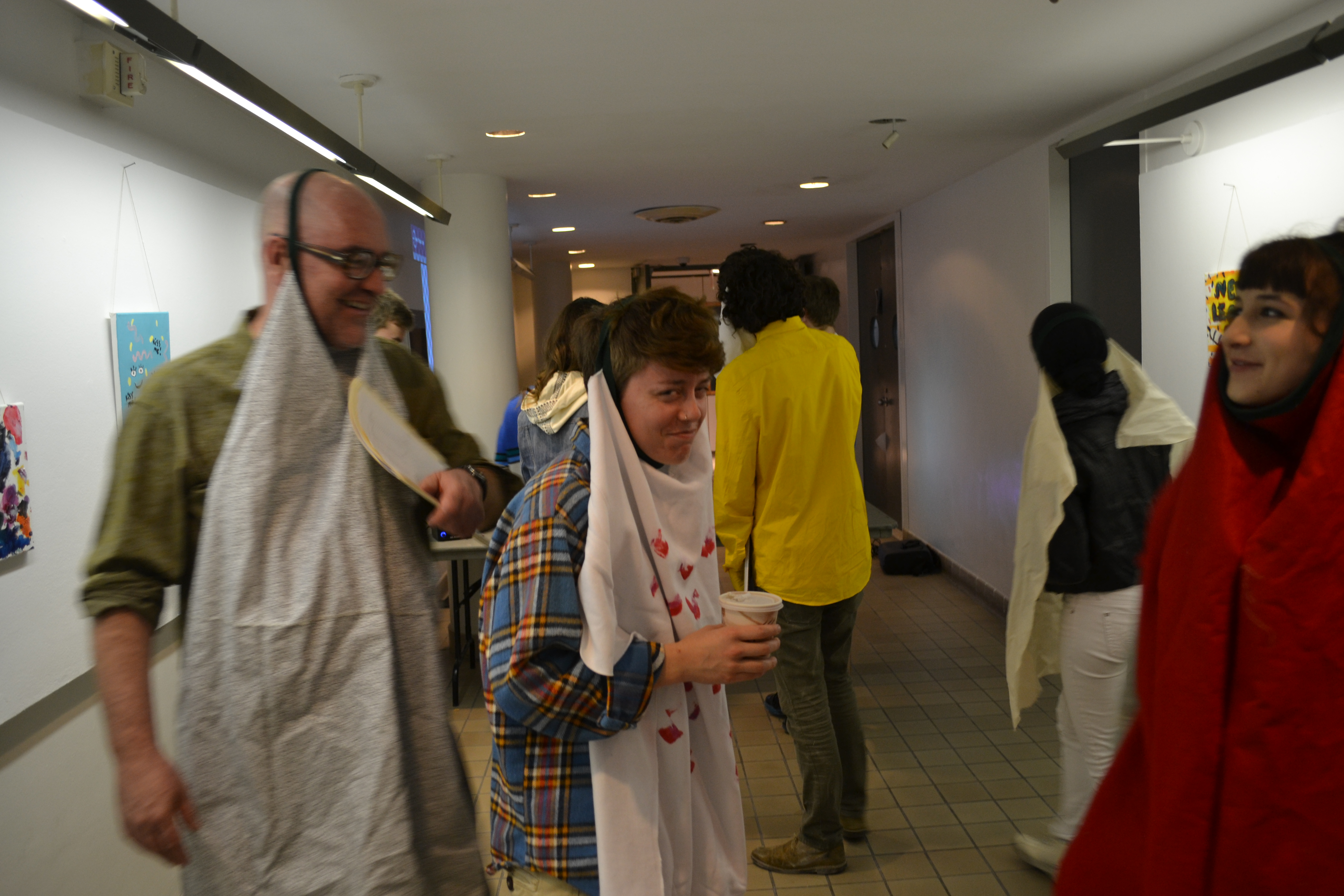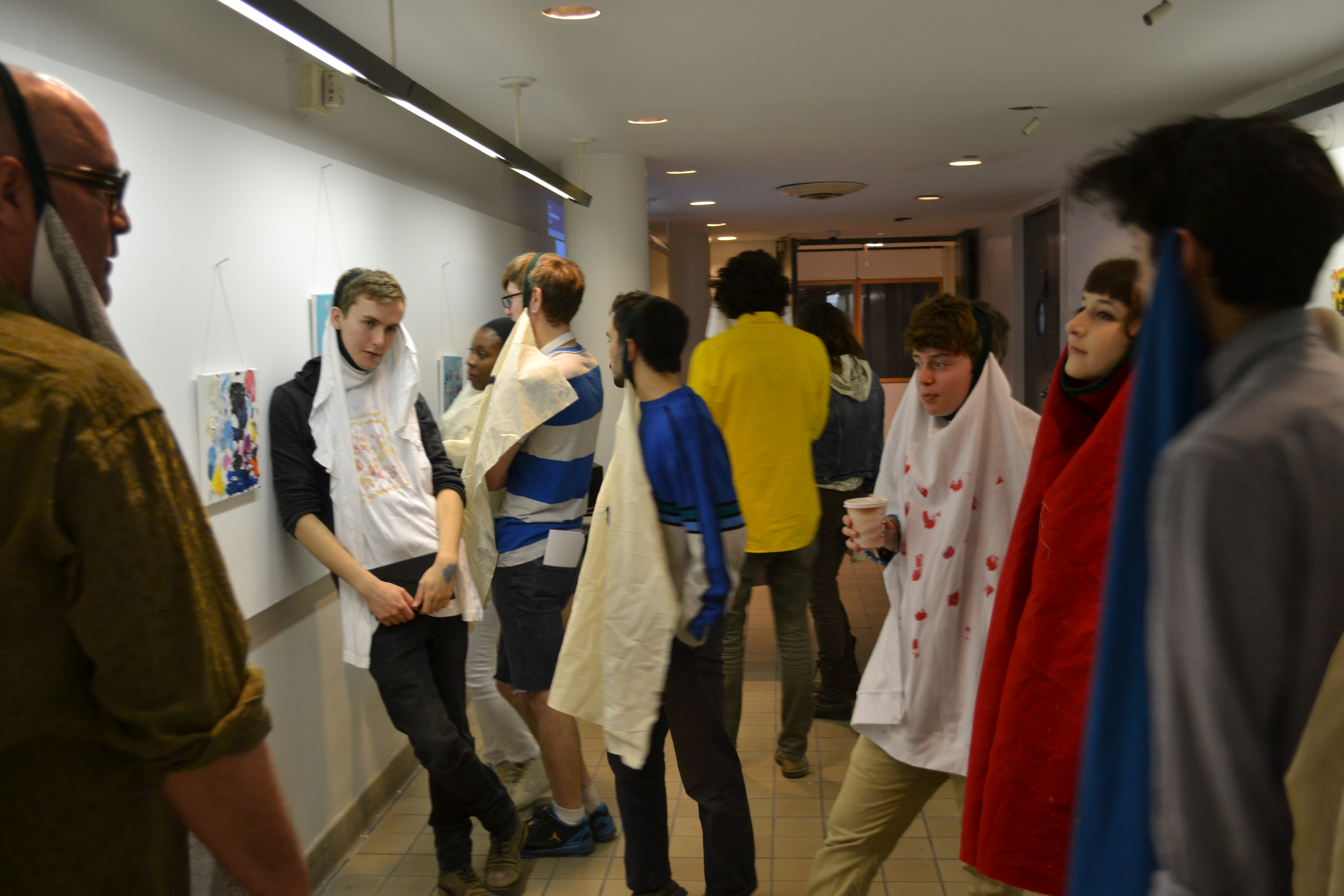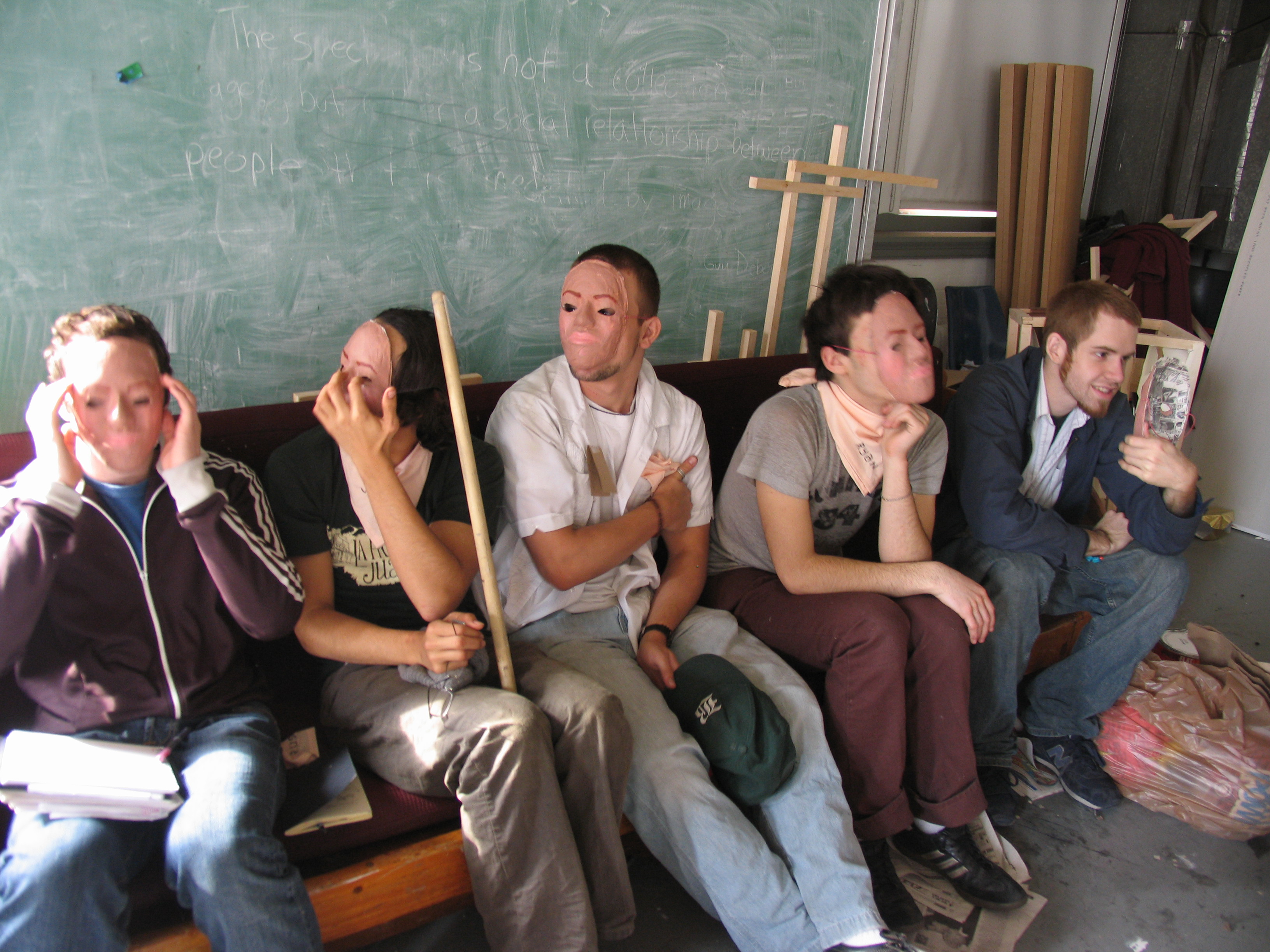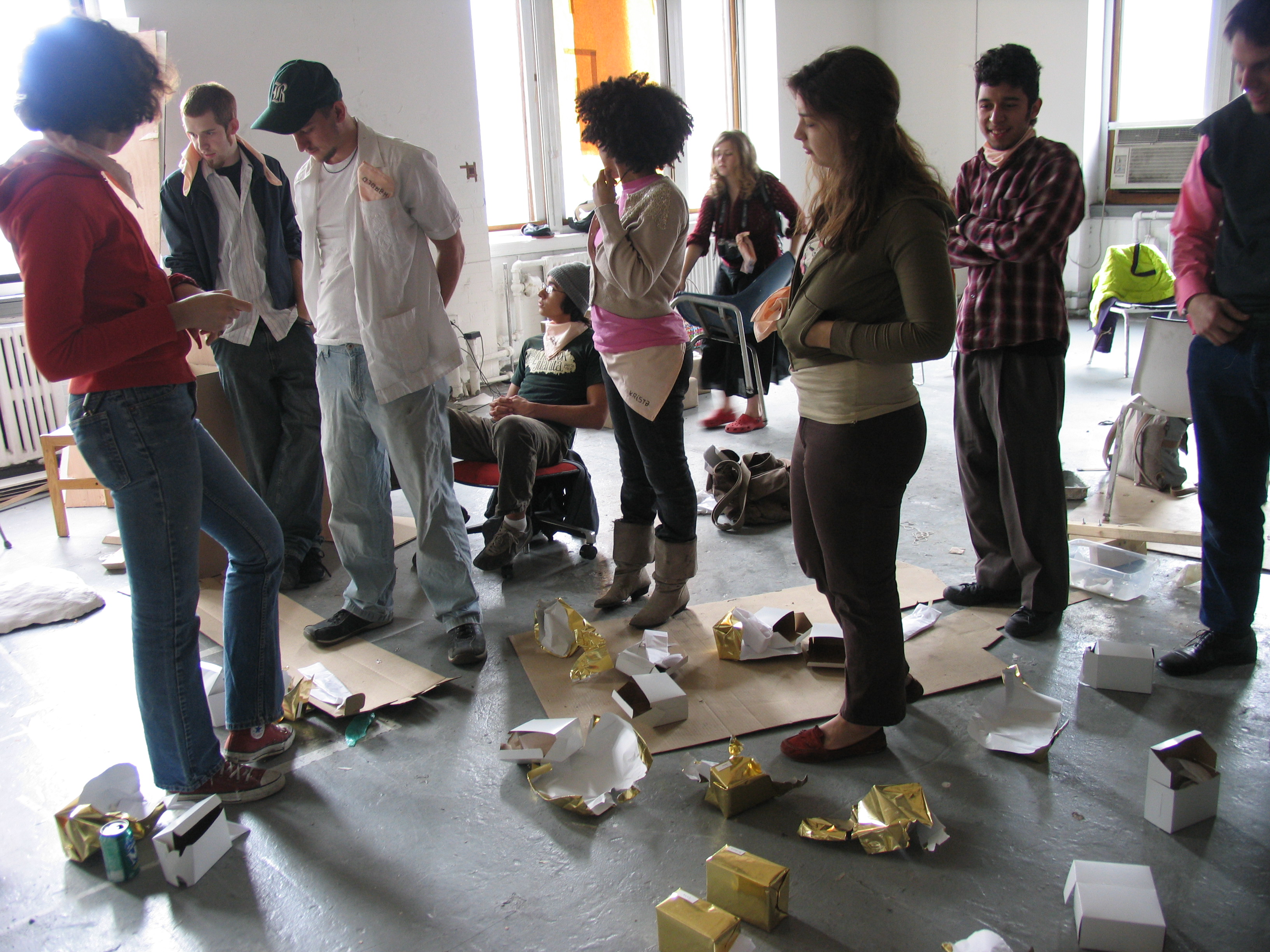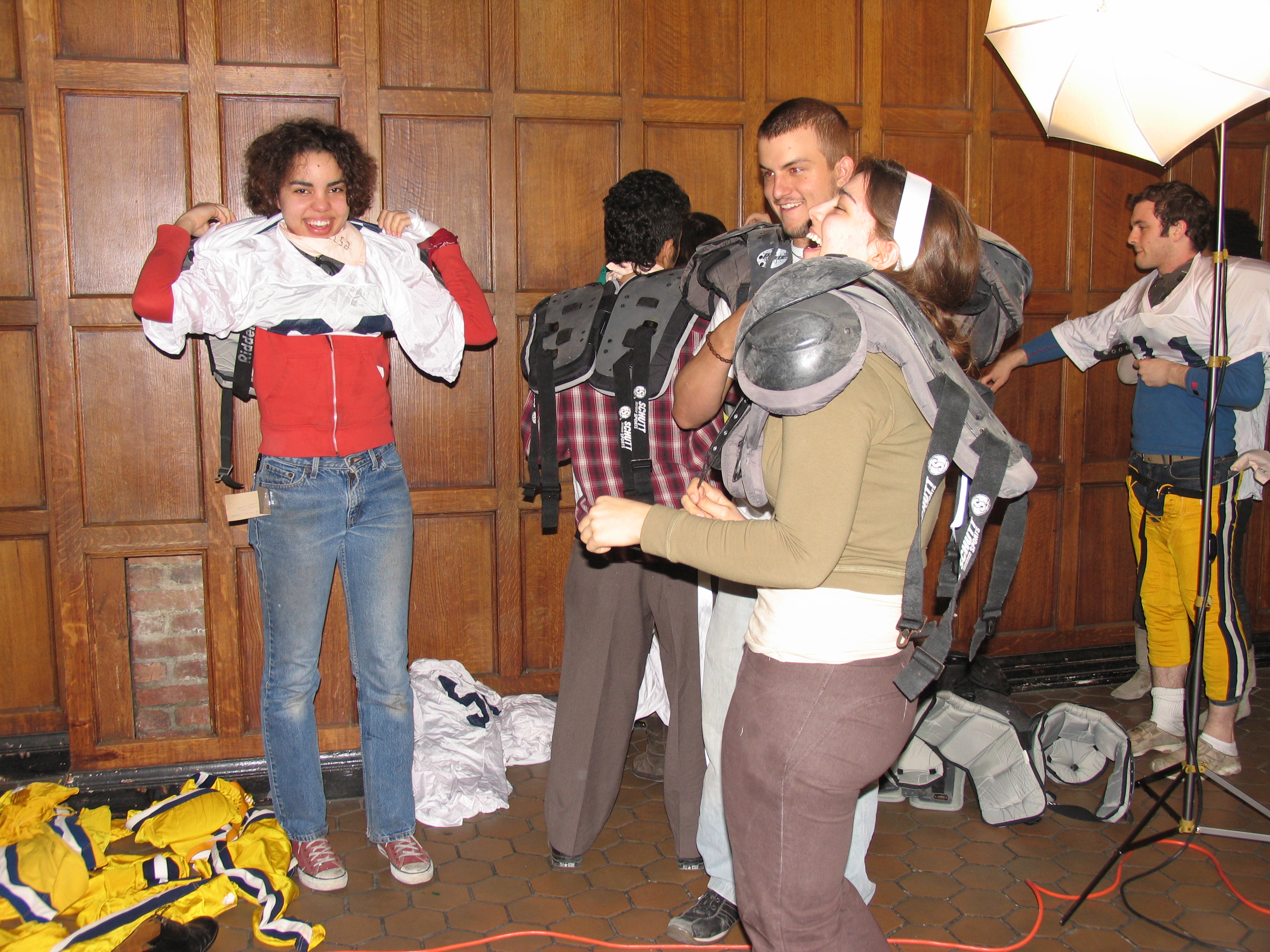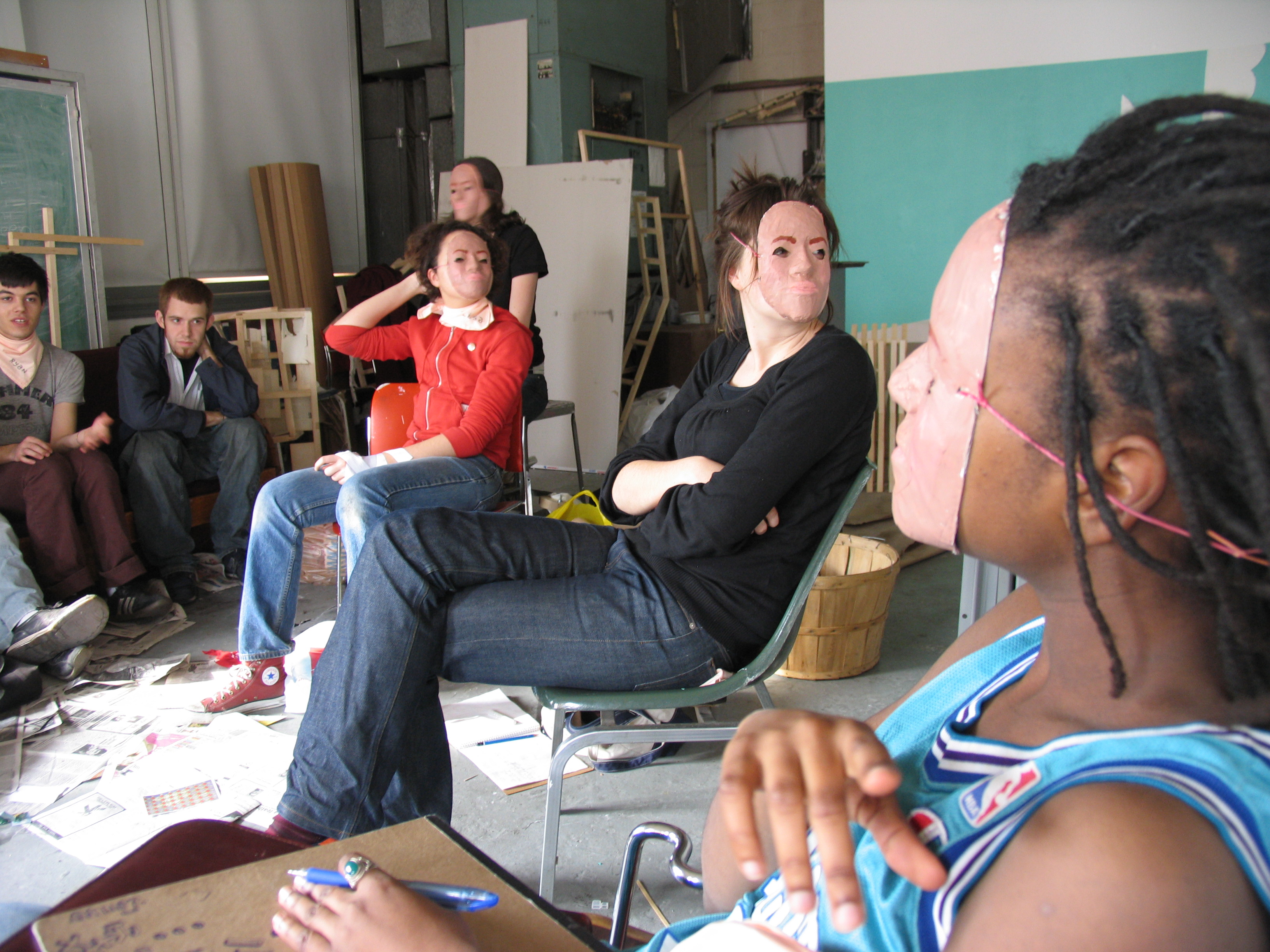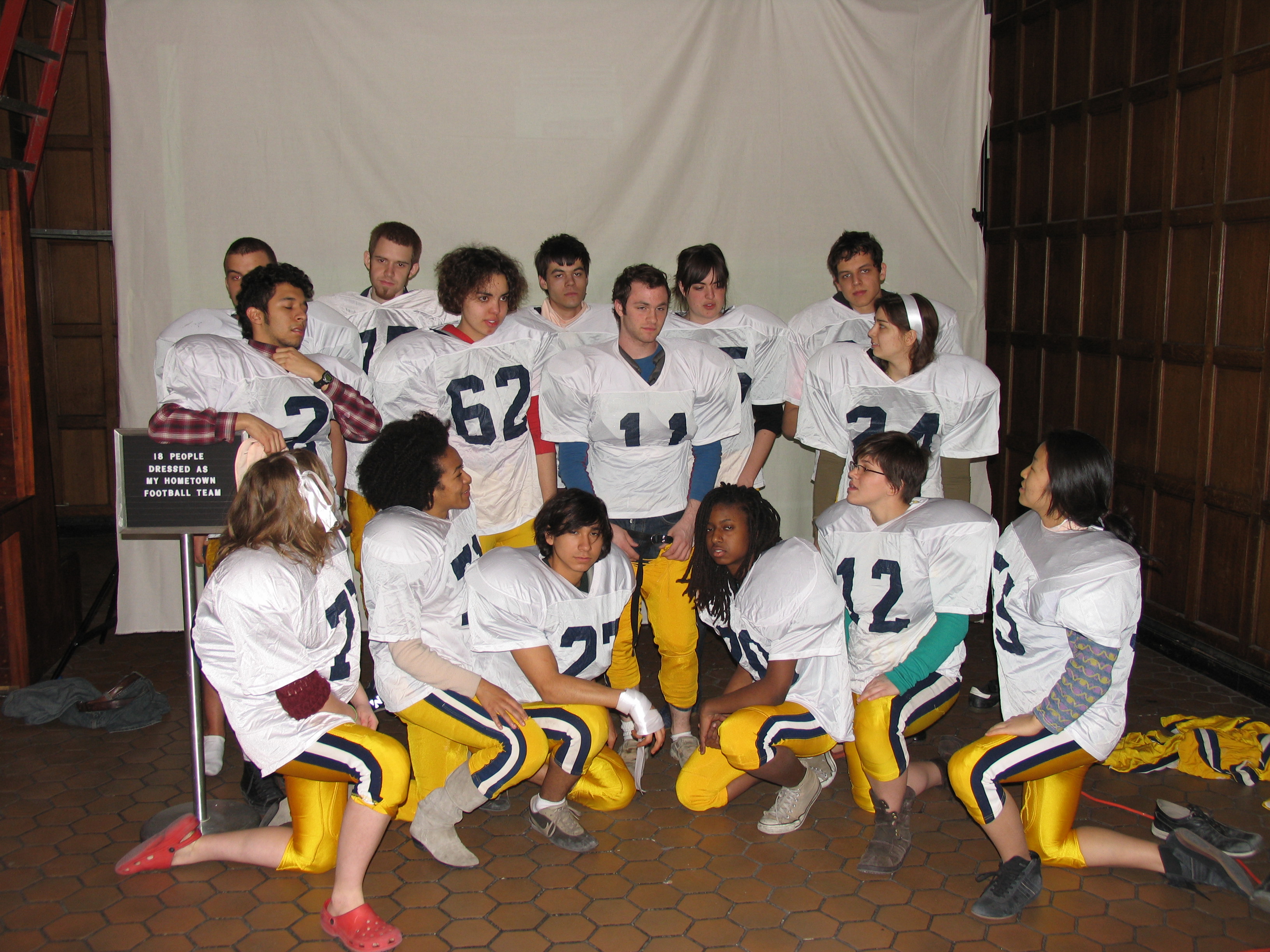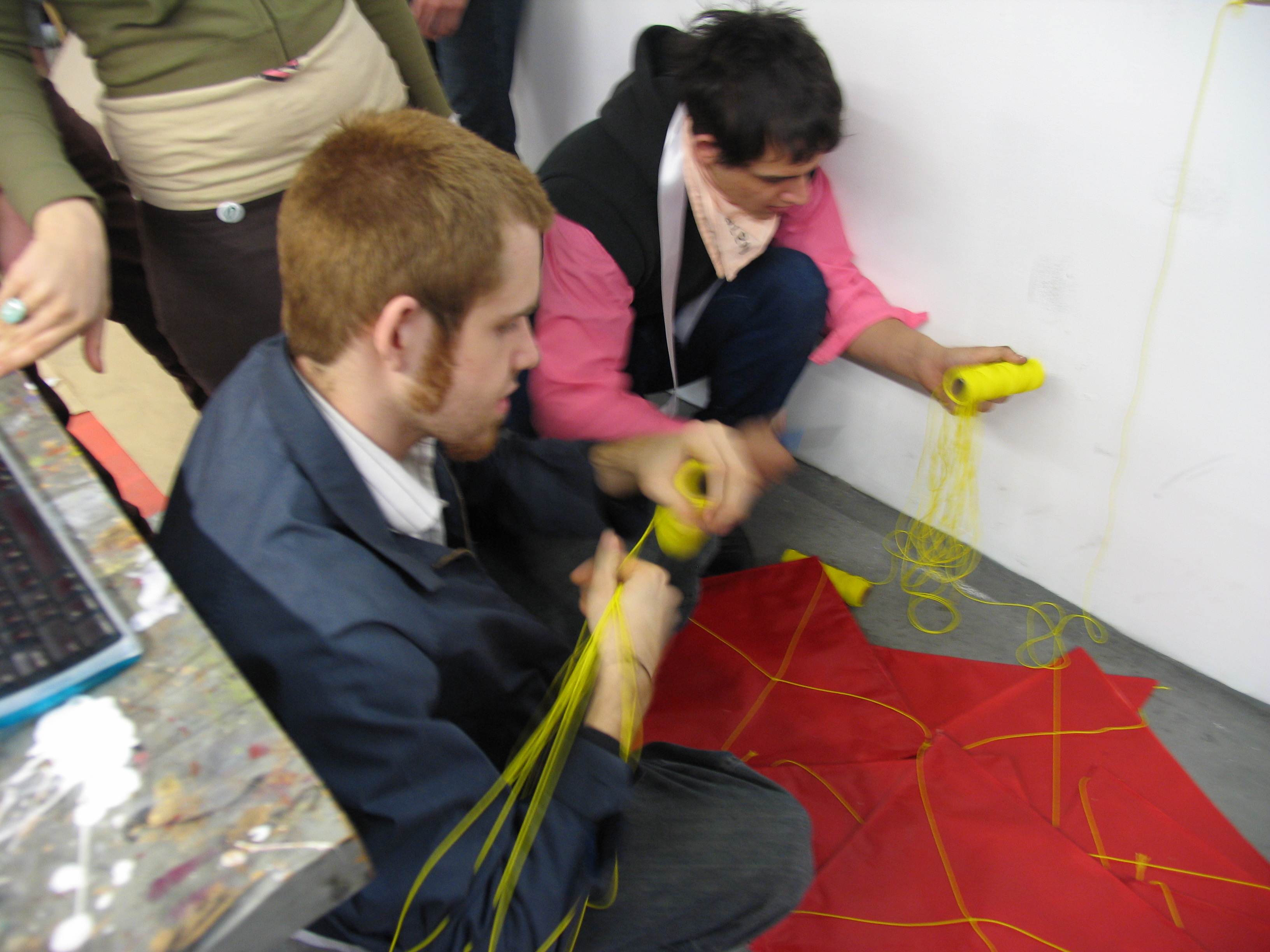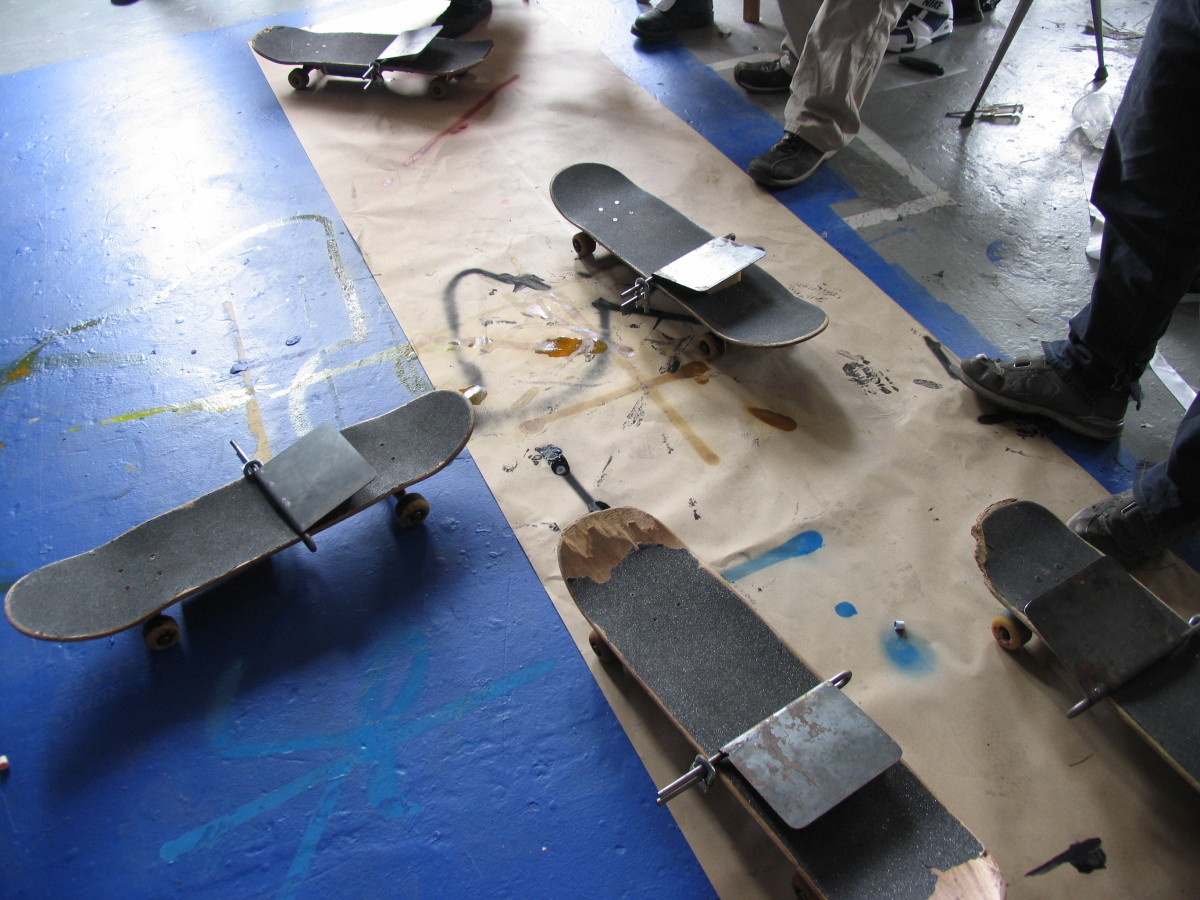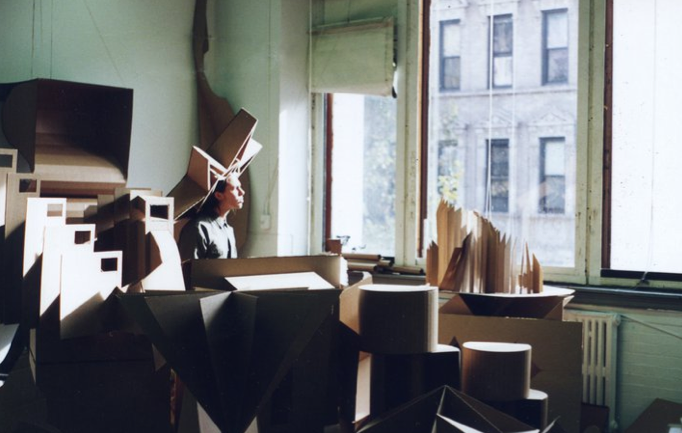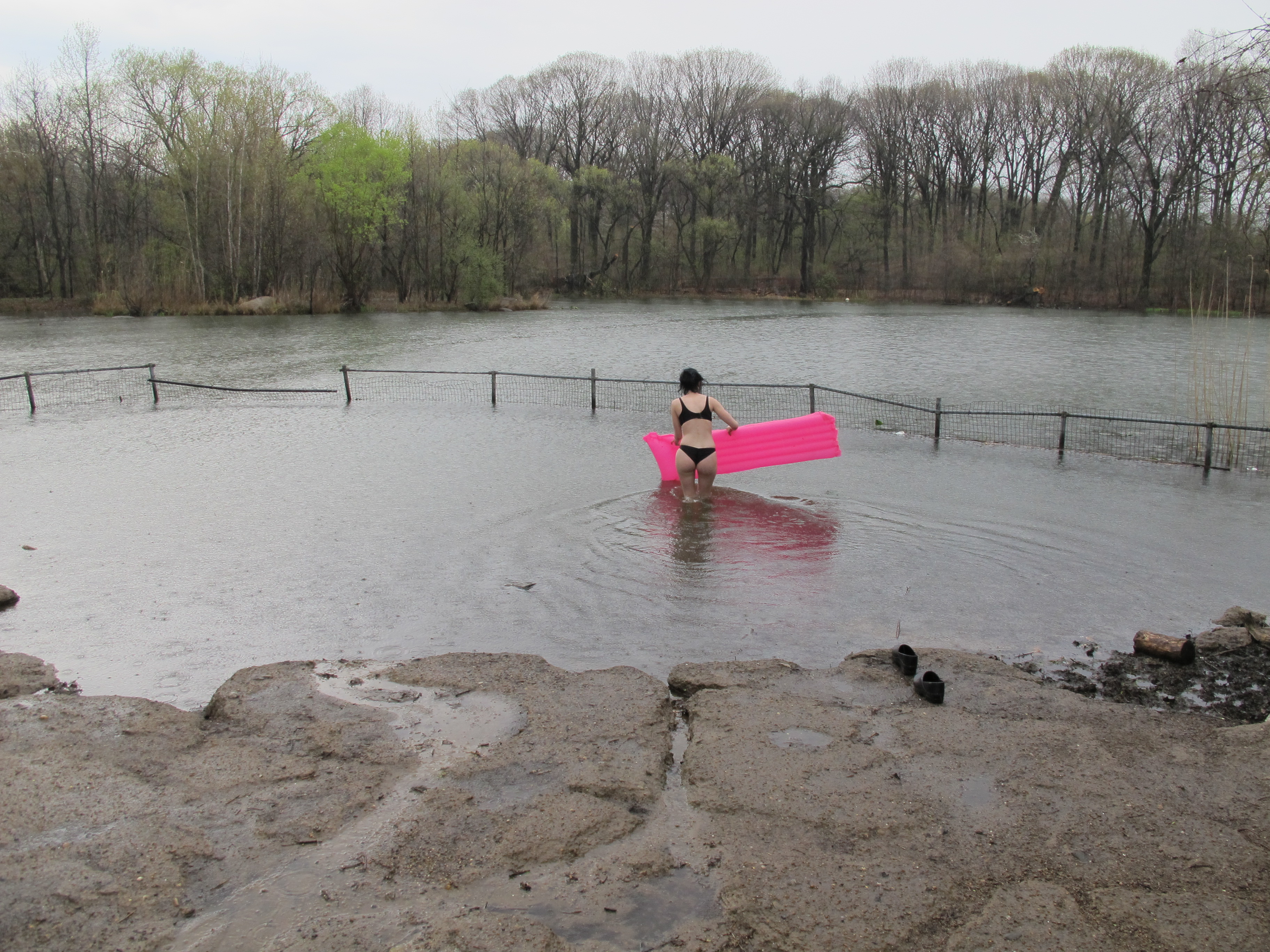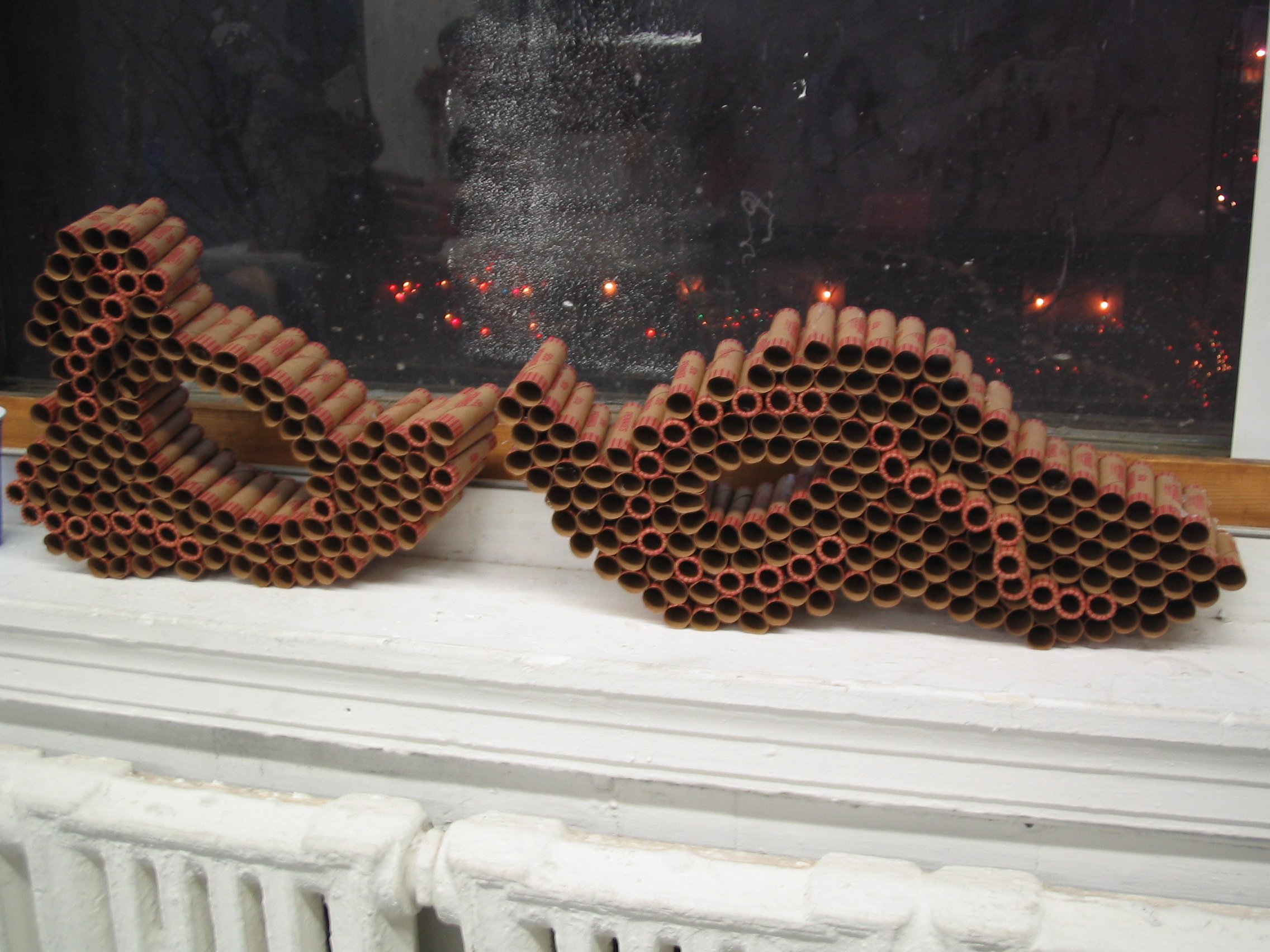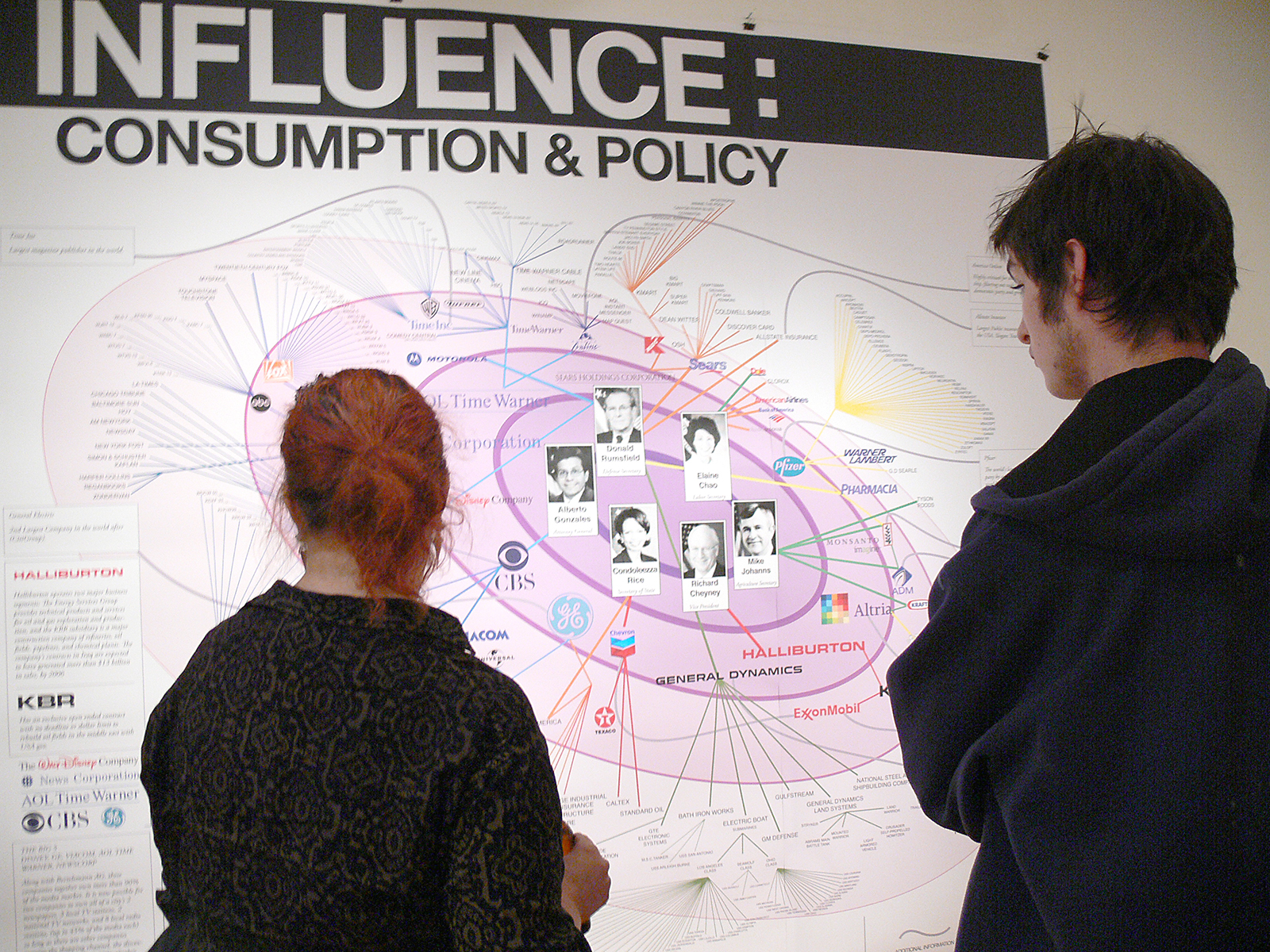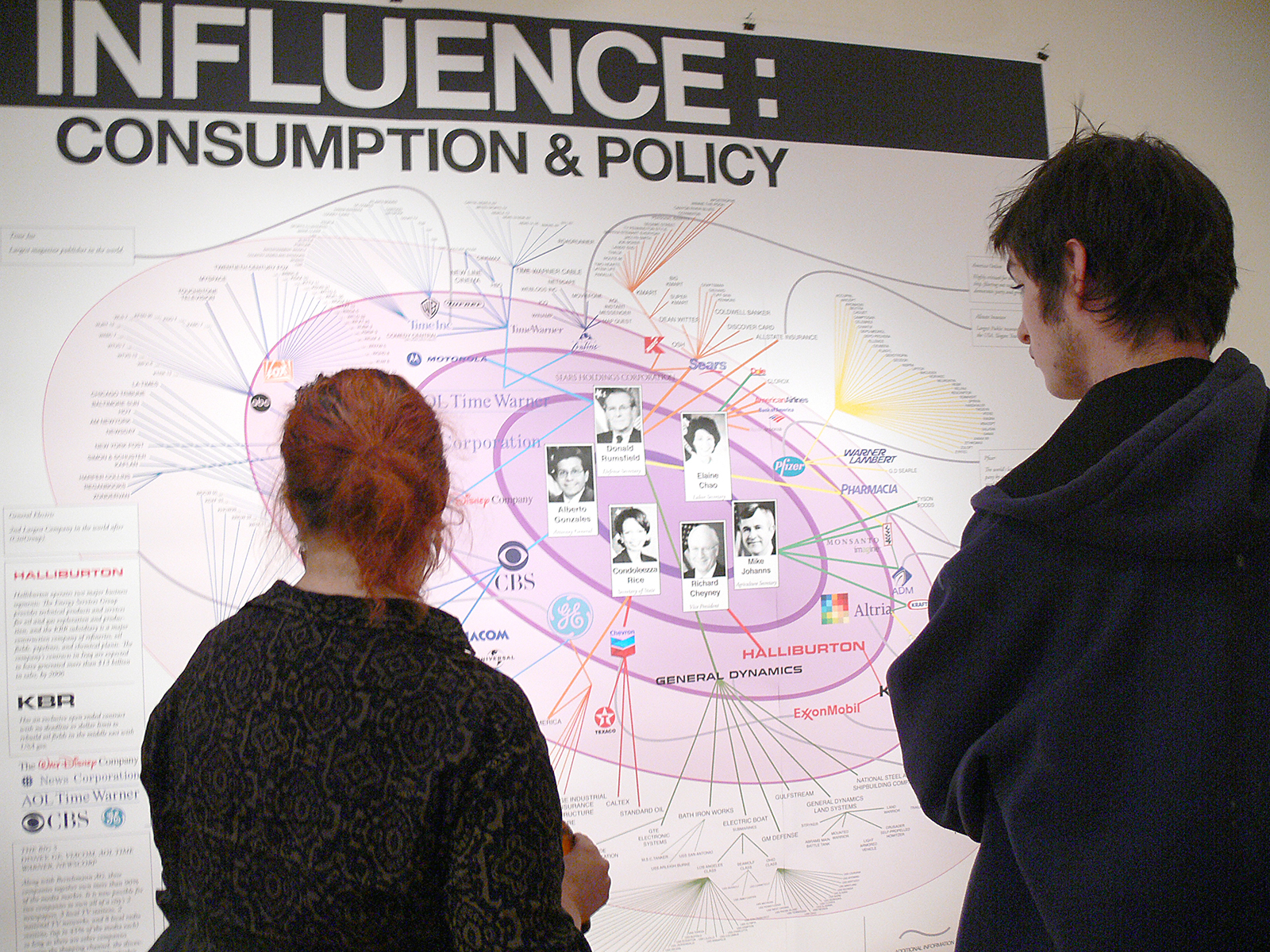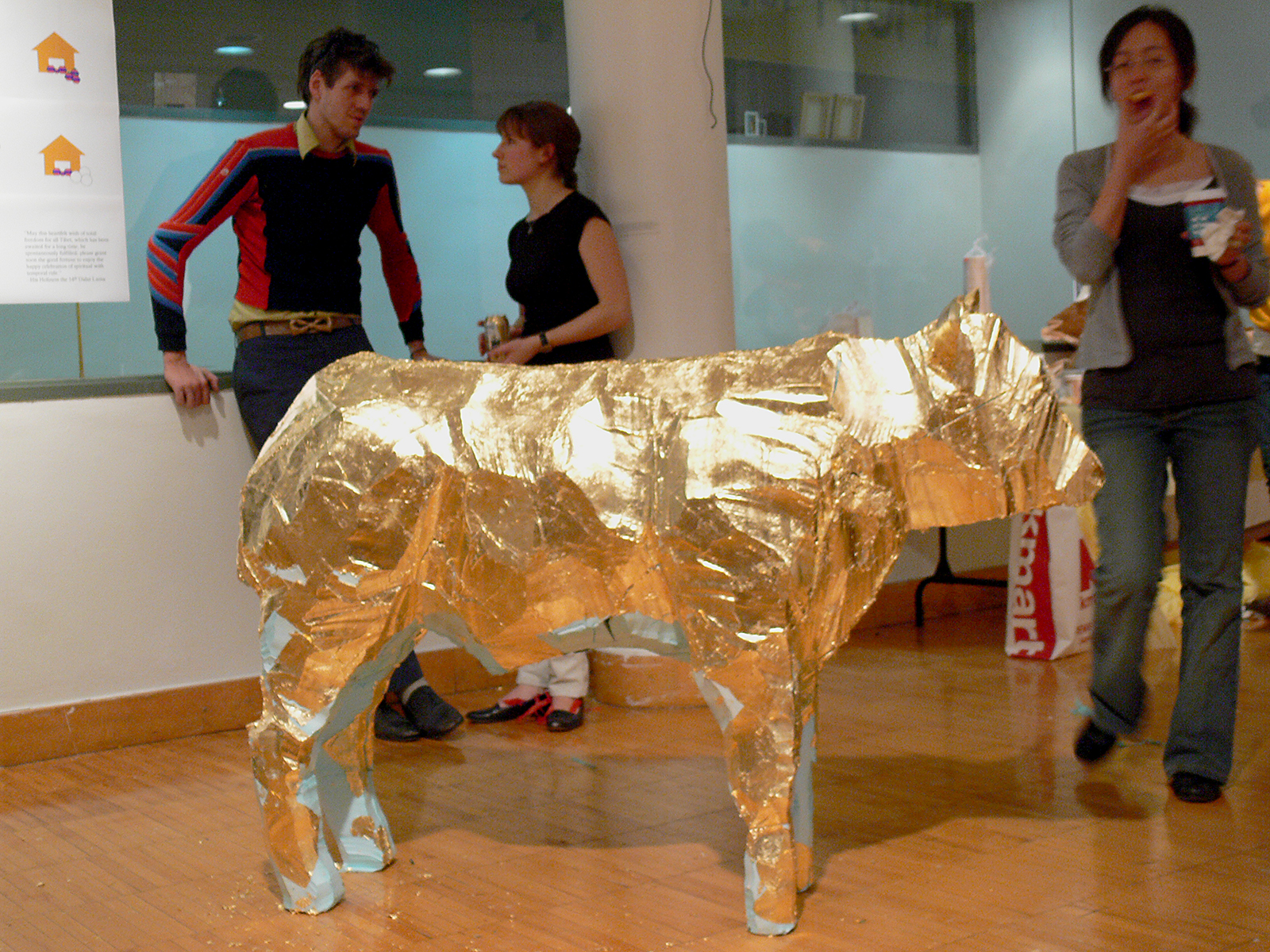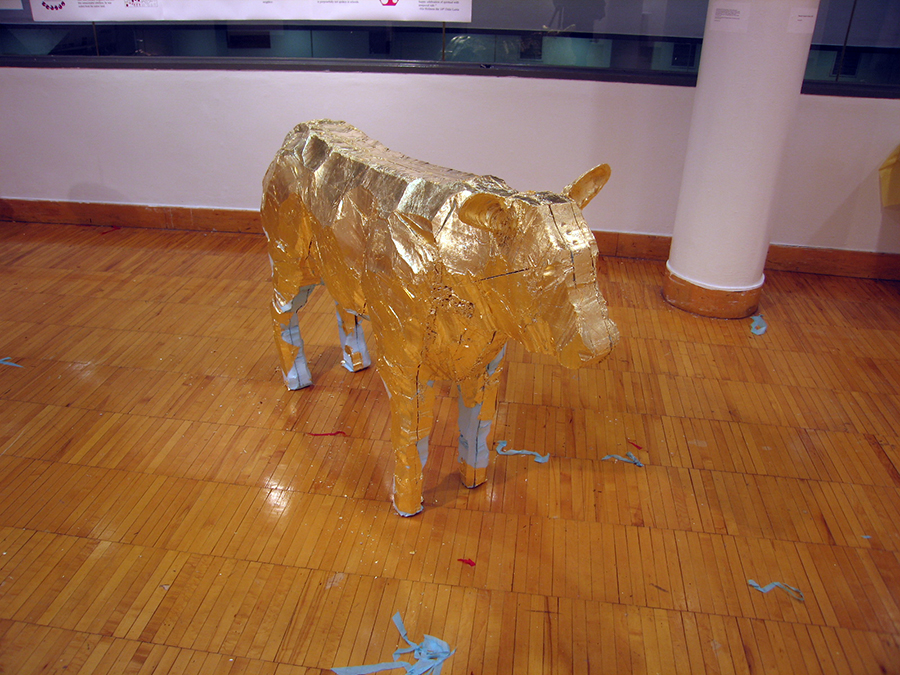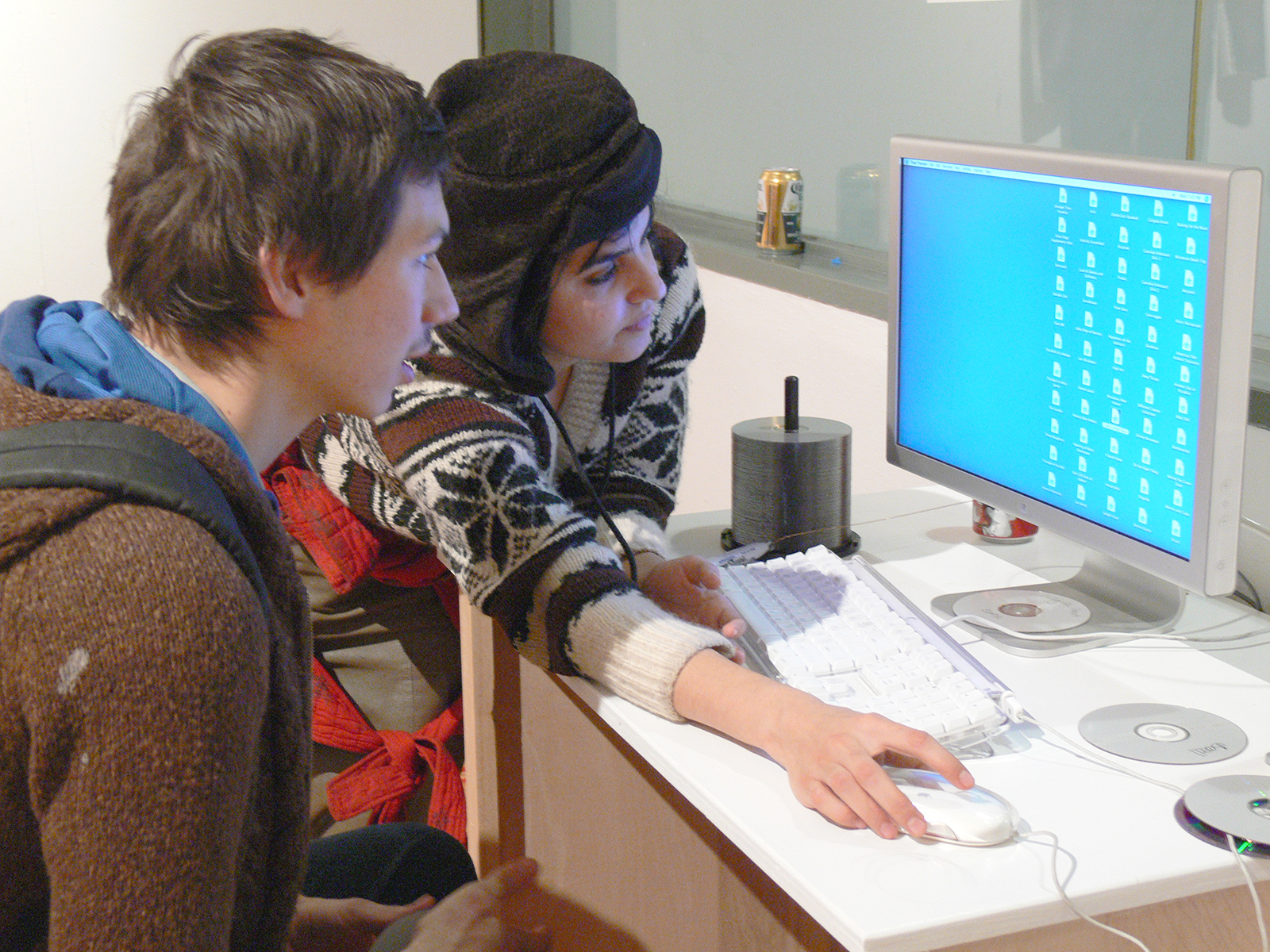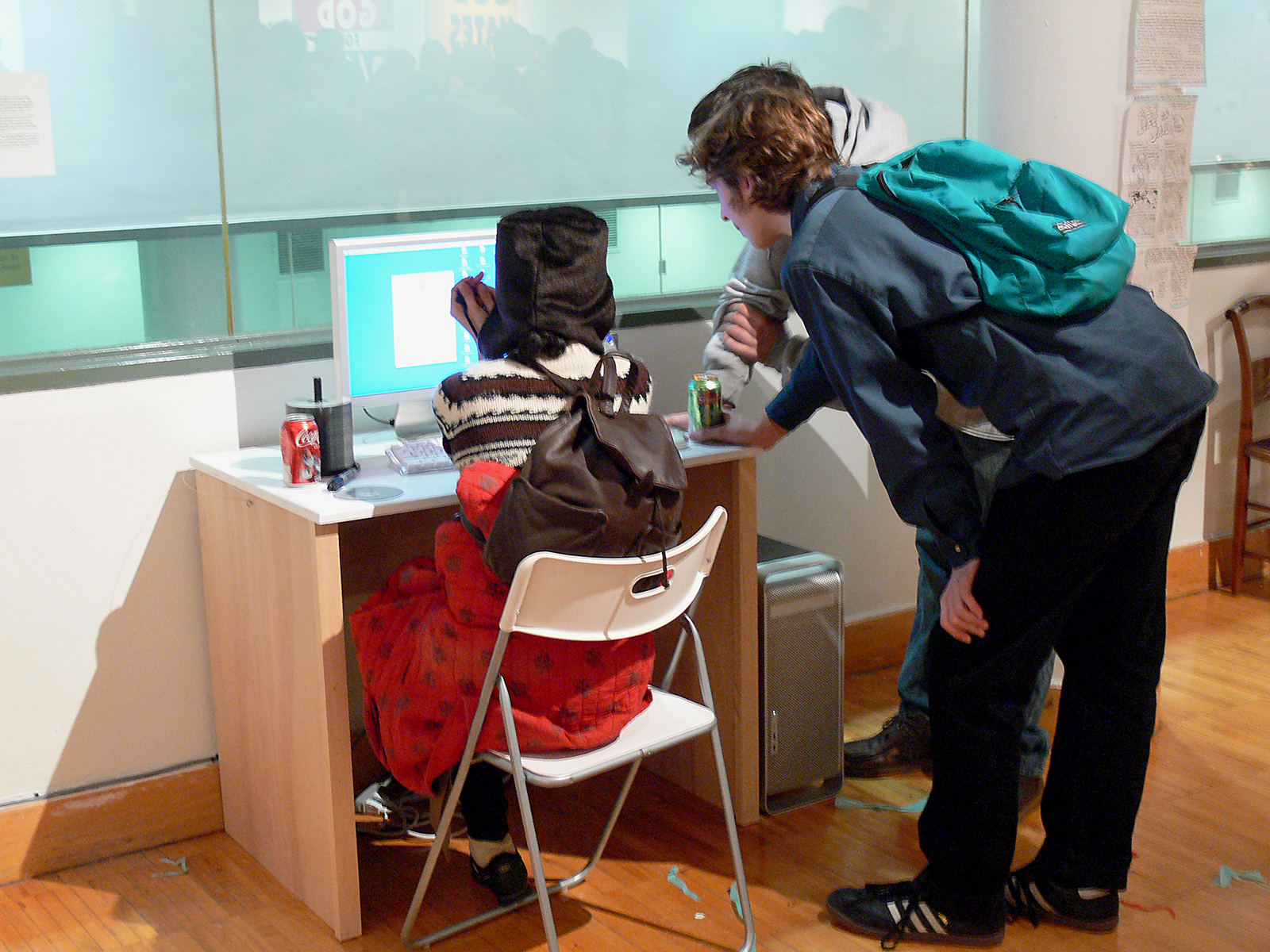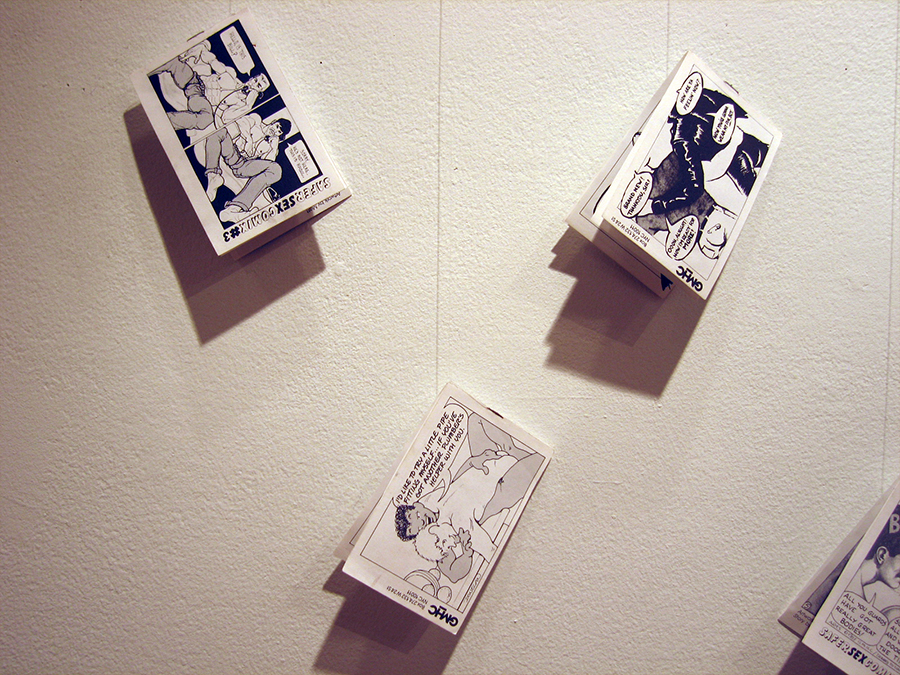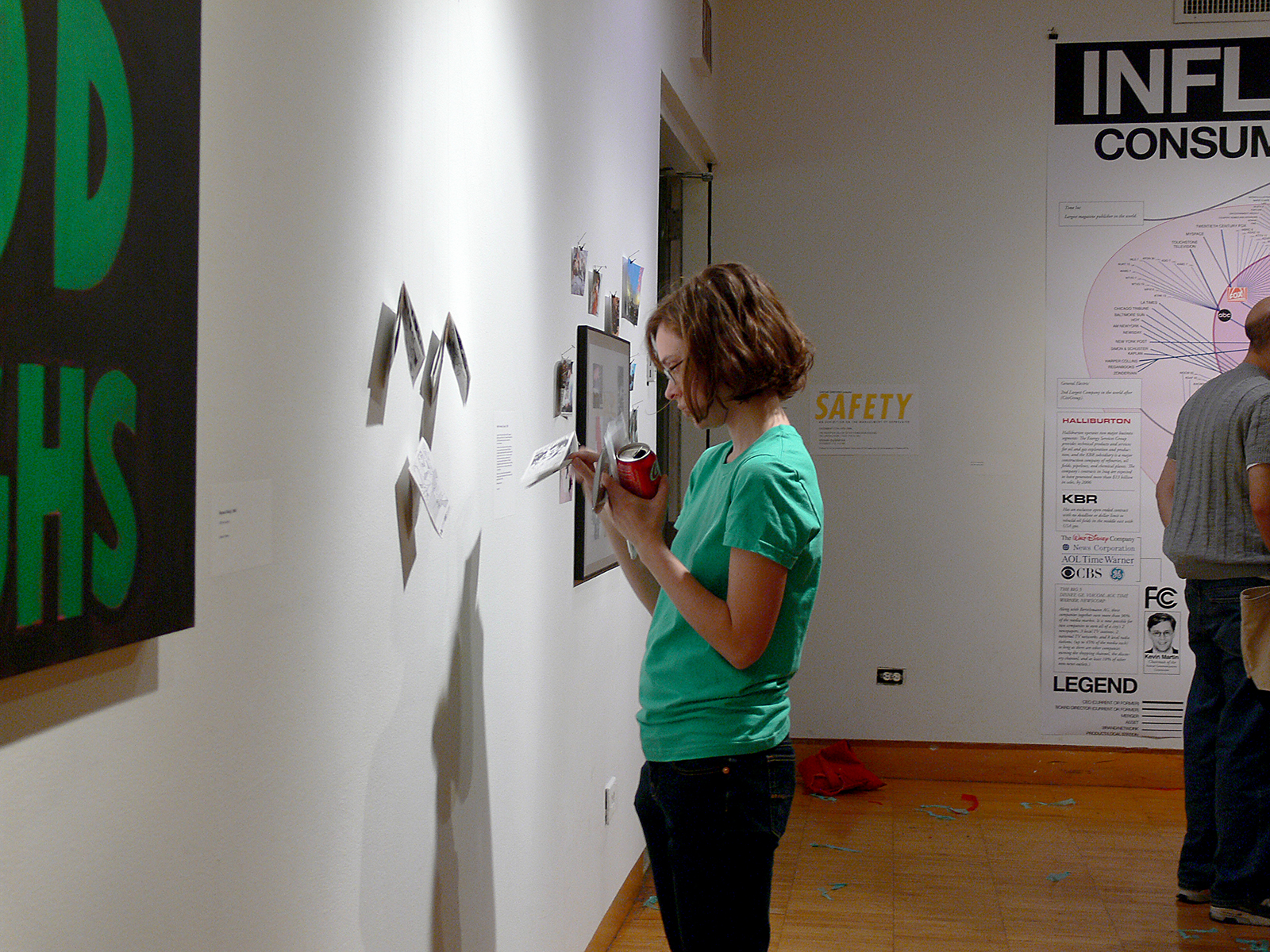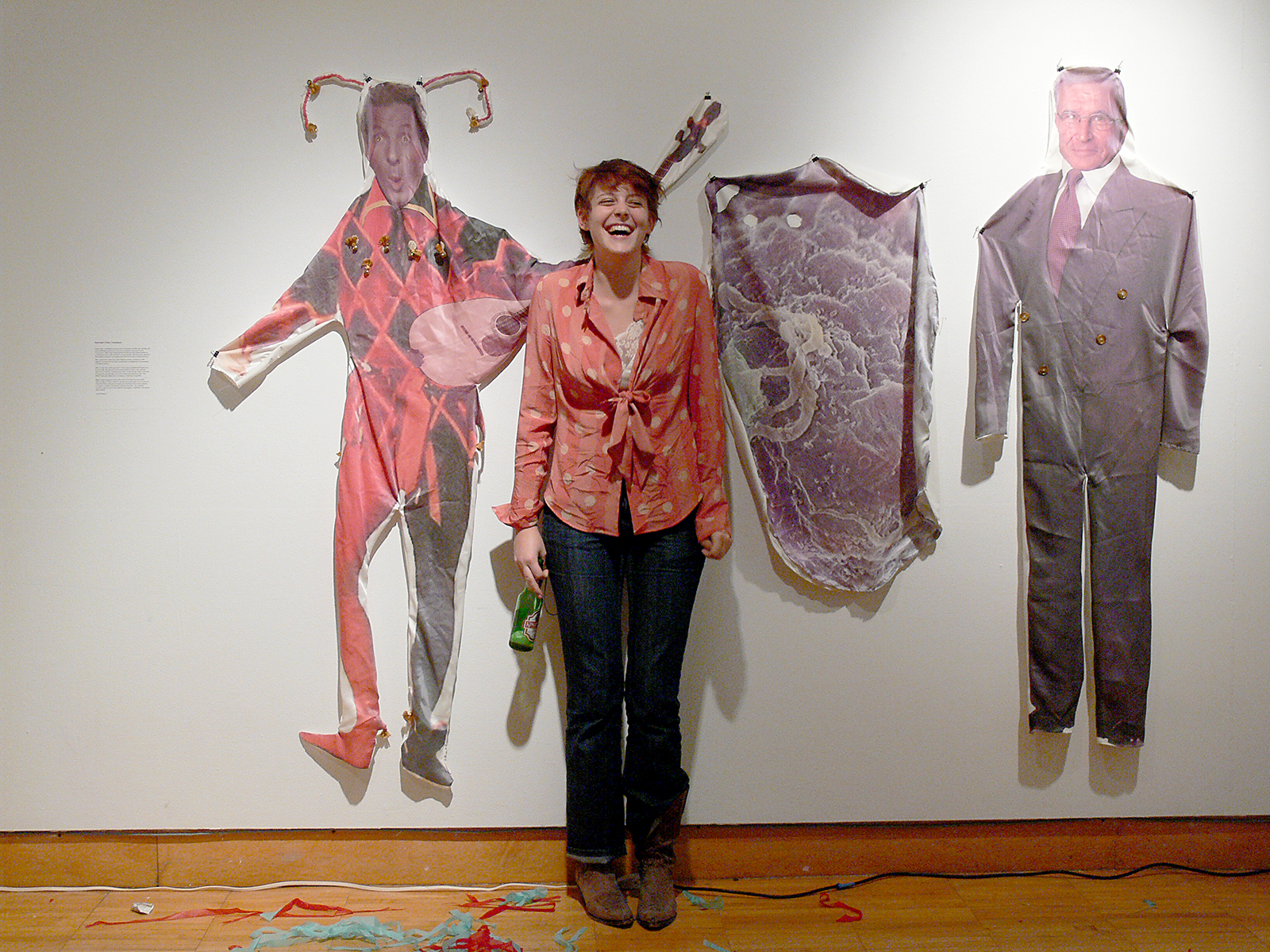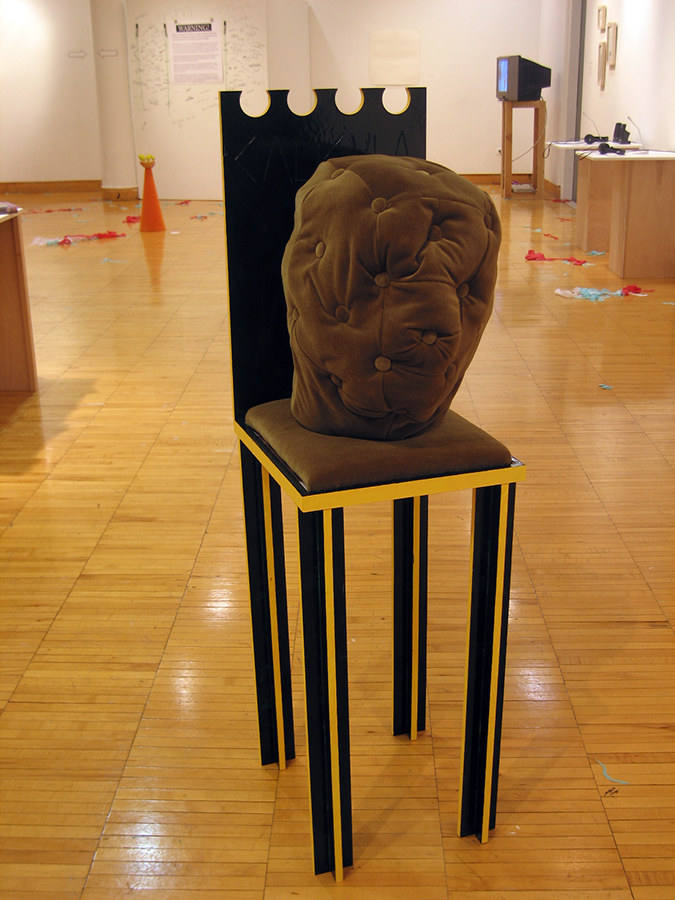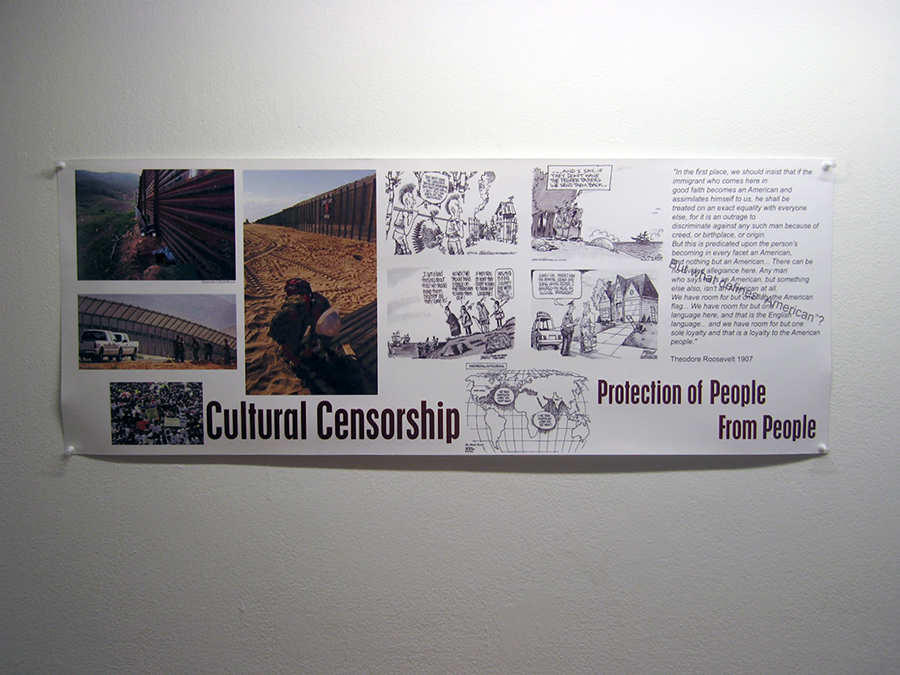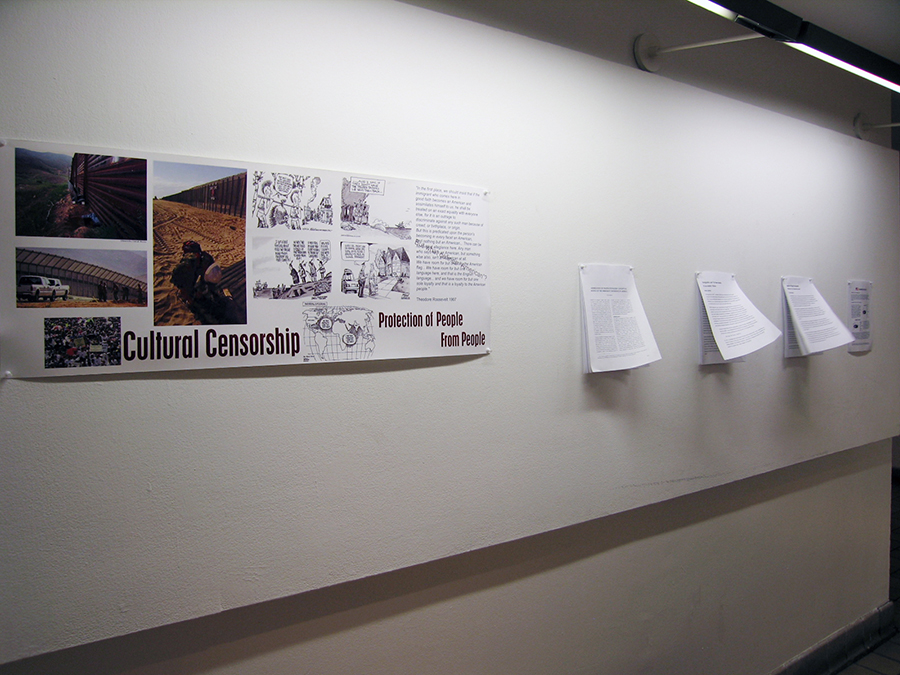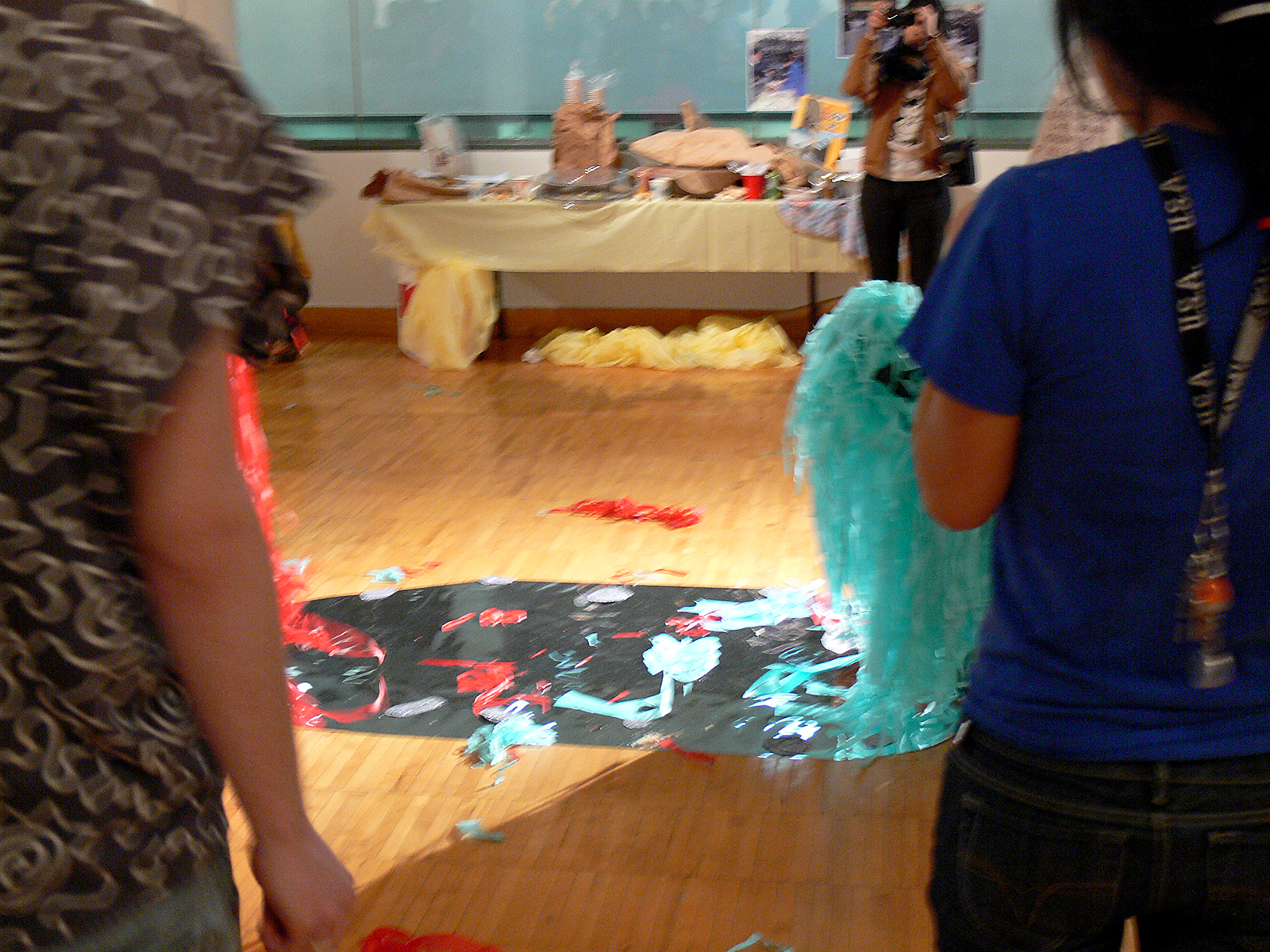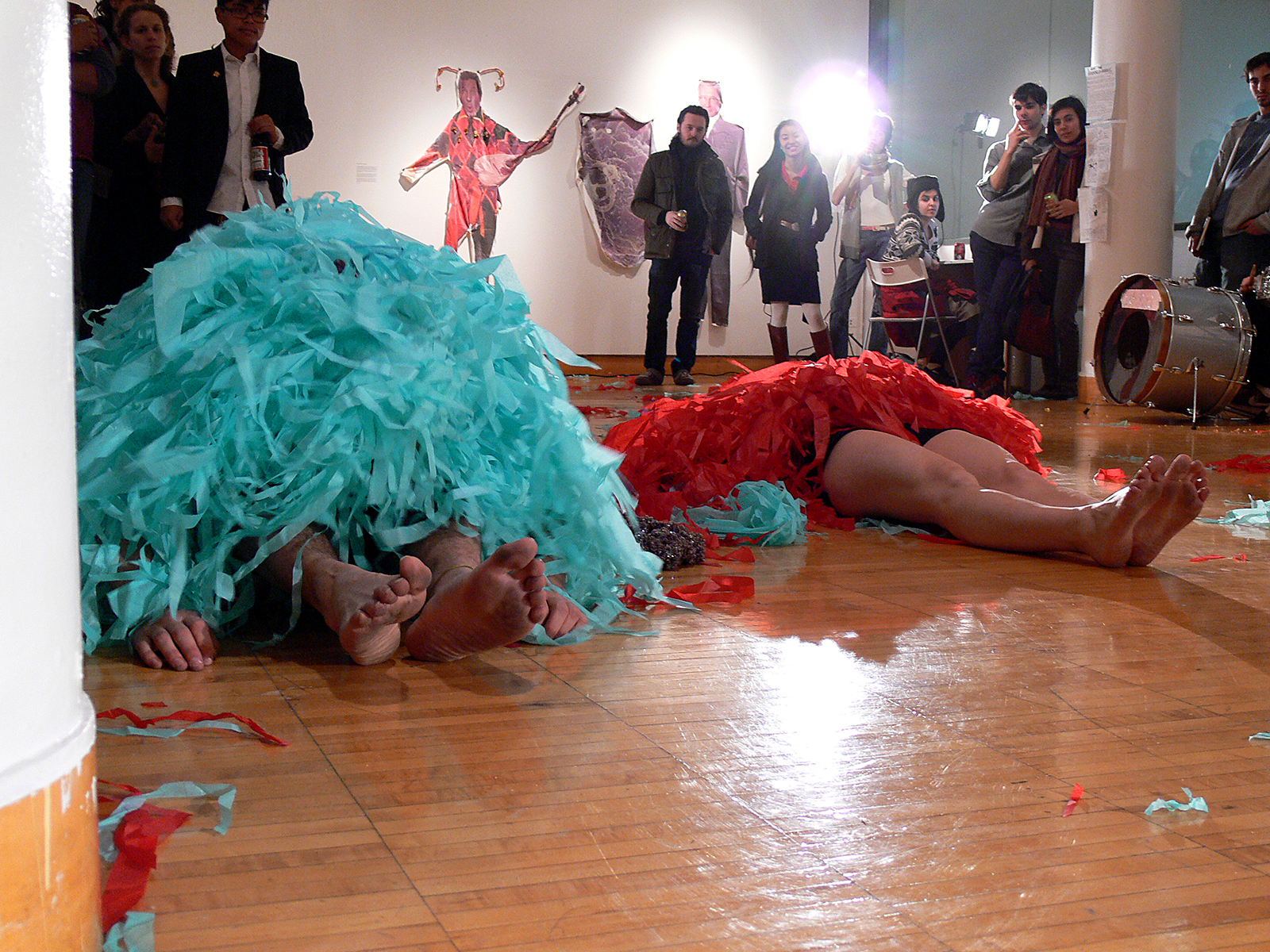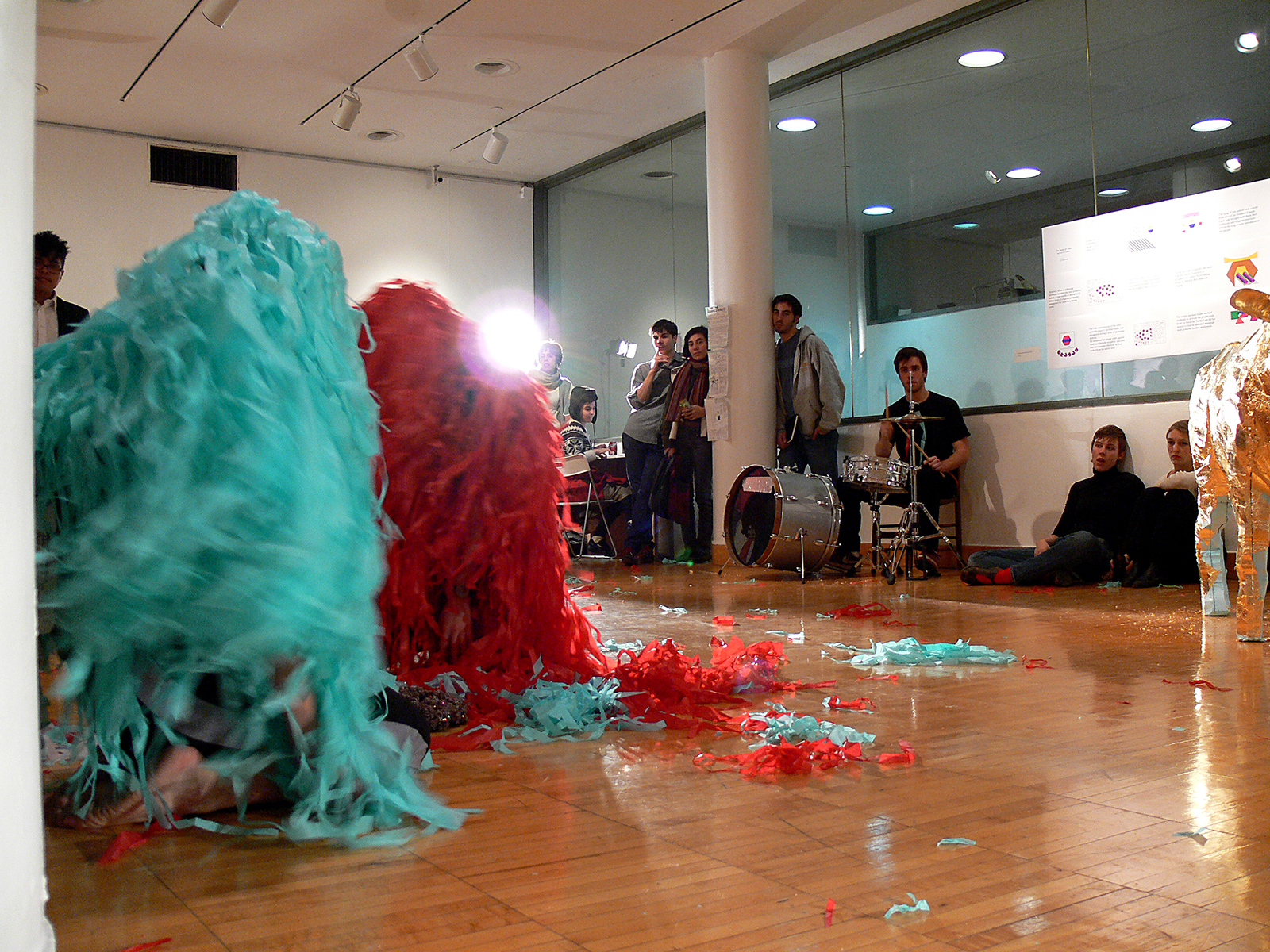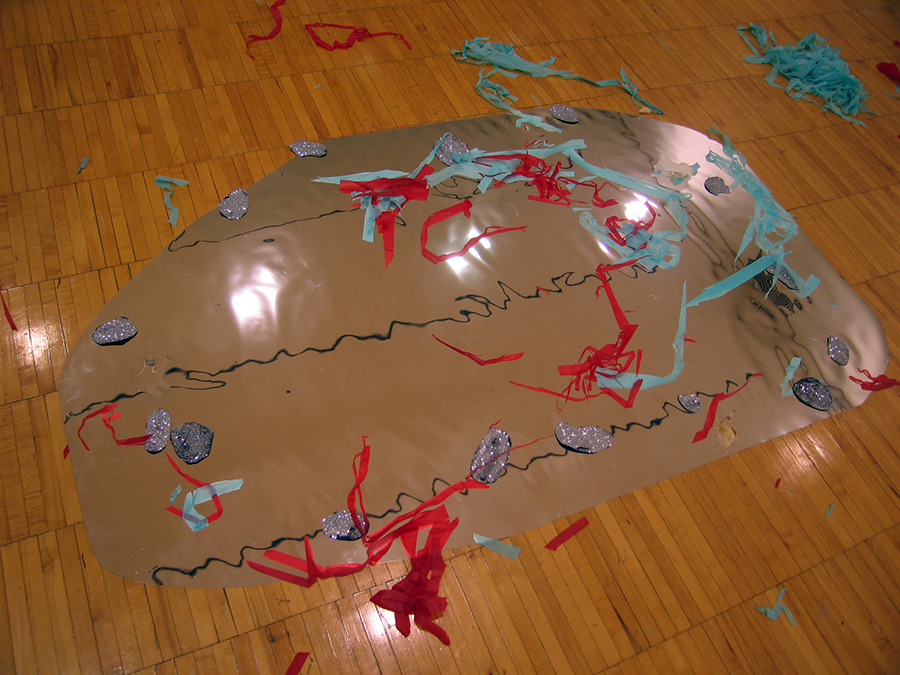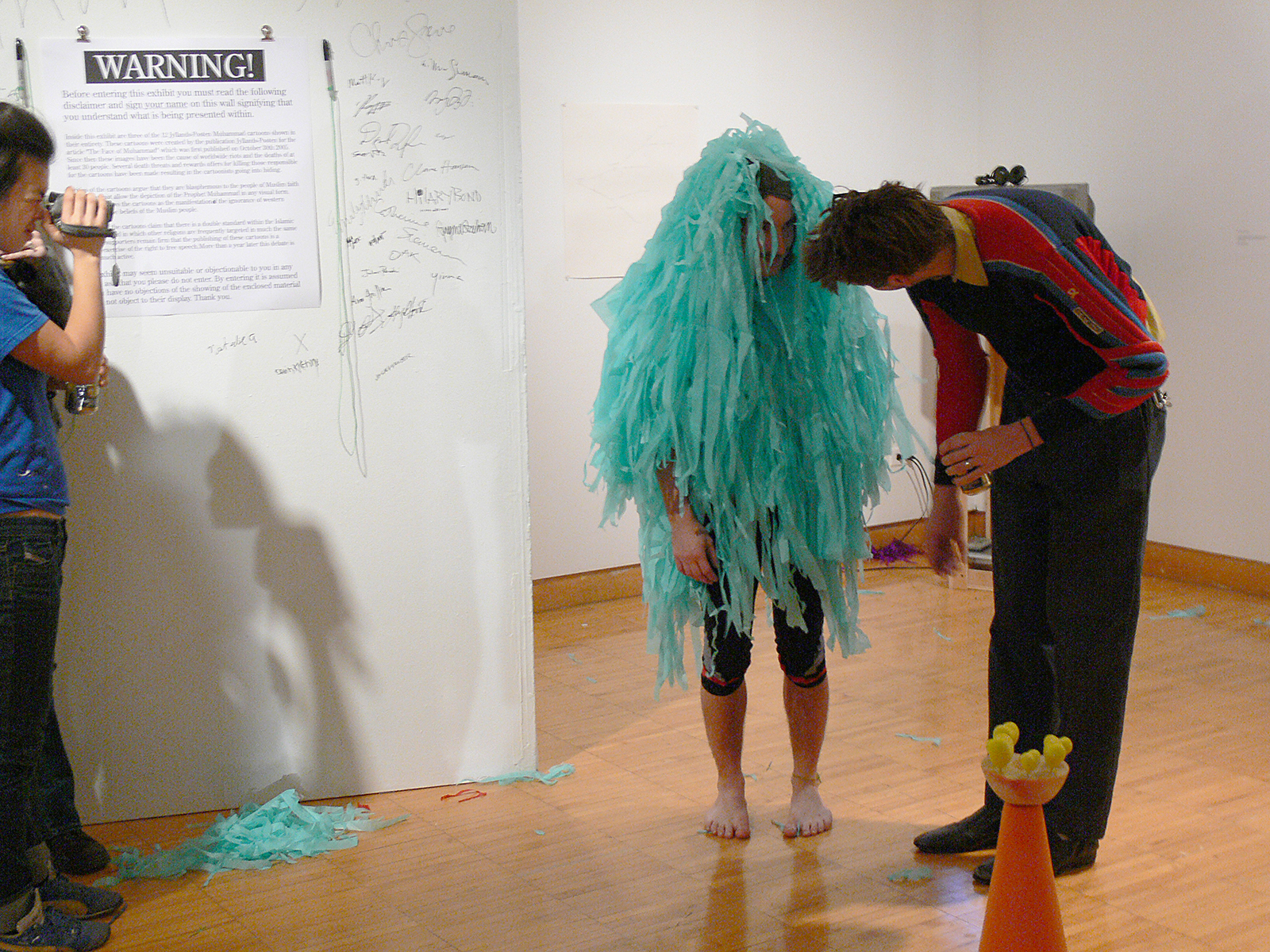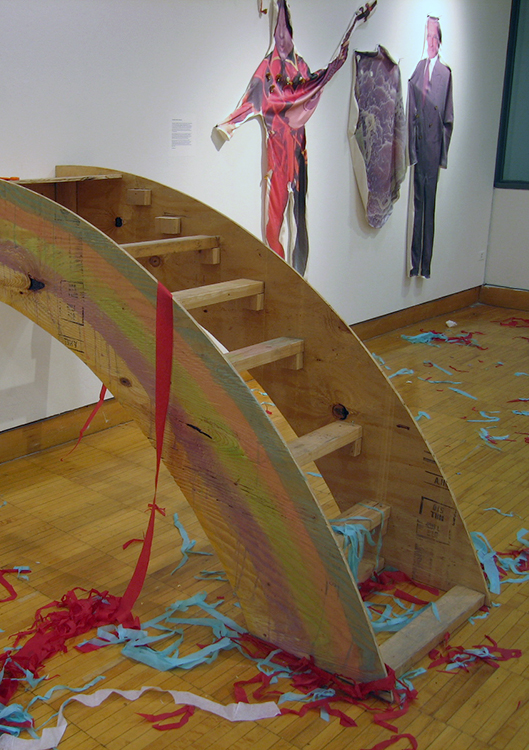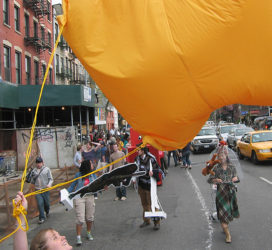
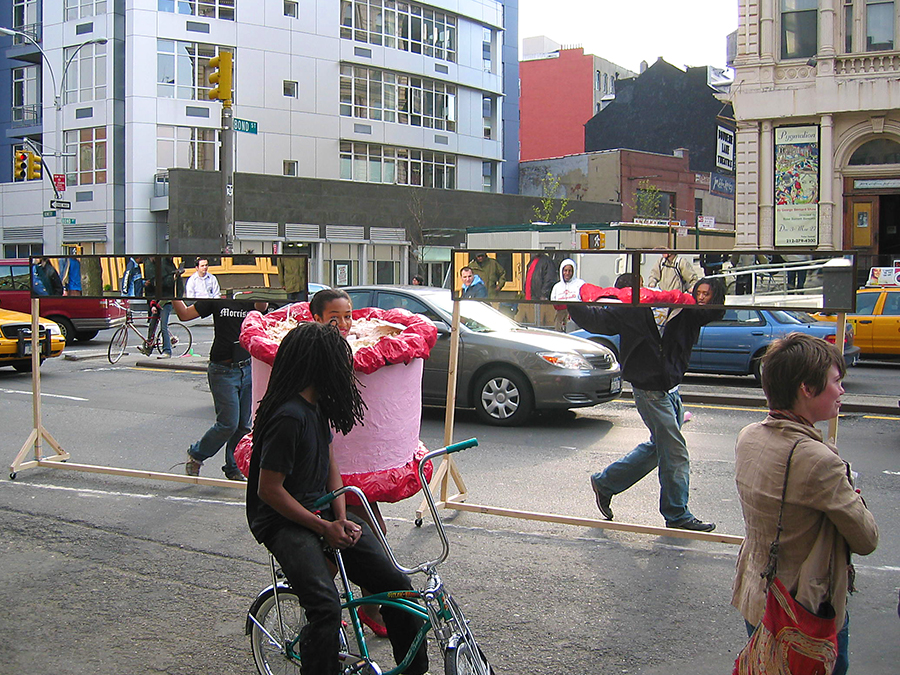
In the fall of 2005, Pam Lins had the idea to make a parade with the students of Cooper Union. Lins was Ashford’s colleague at Cooper Union and had also taught Three-Dimensional Design there for many years. The two of them collaborated on a weekly basis, borrowing each others prompts and assignments, urging the school to open up its curriculum, advocating for more opportunities for students for non-linear learning and multiform engagement. Lins’ effect on the school was permanent and legendary.

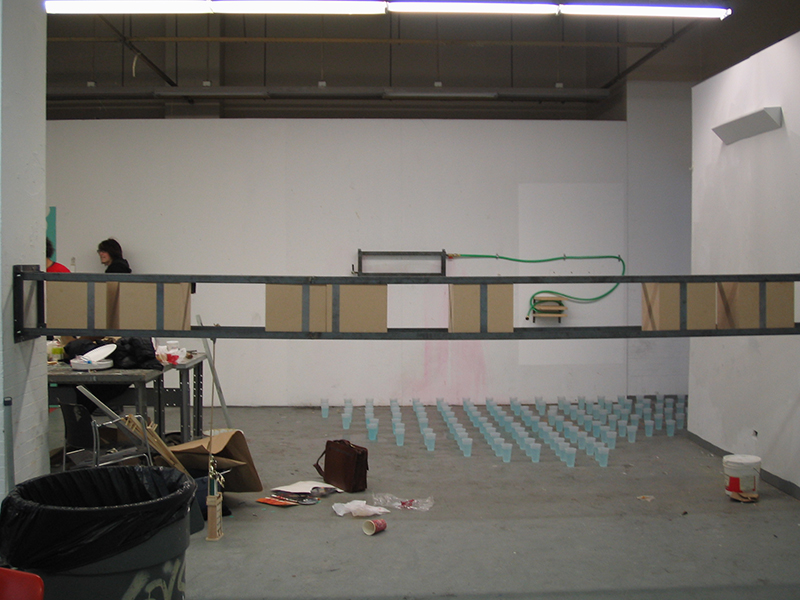
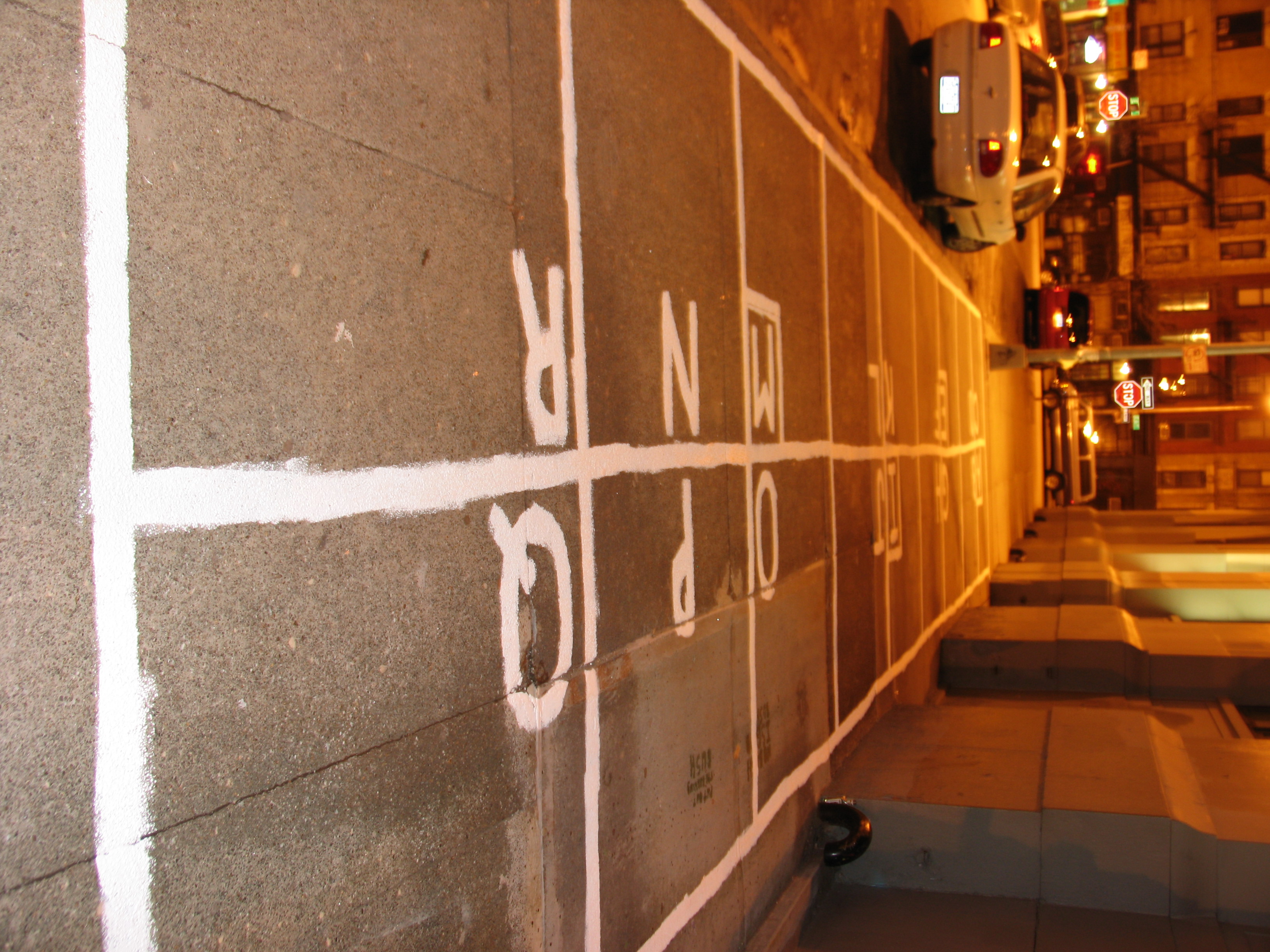
The local police precinct was approached and permission was provided to use the full length of the Bowery from Houston to Cooper Square. Students in all four class sections of Three-Dimensional Design were assigned the project, but many others from advanced art students to those enrolled outside he School of Art built projects for this day.

For many who participated, this yearly event lives on as one of their brightest memories of The Cooper Union. As a collectively made work of art, it epitomized the capacity of a school (or any group of learning people) to reimagine the conditions of a loved city.


The parade

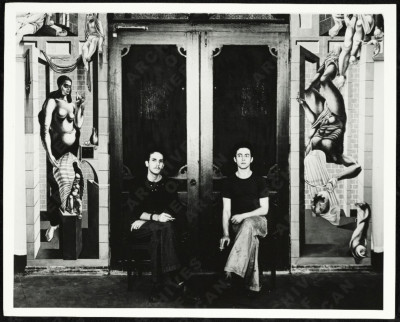
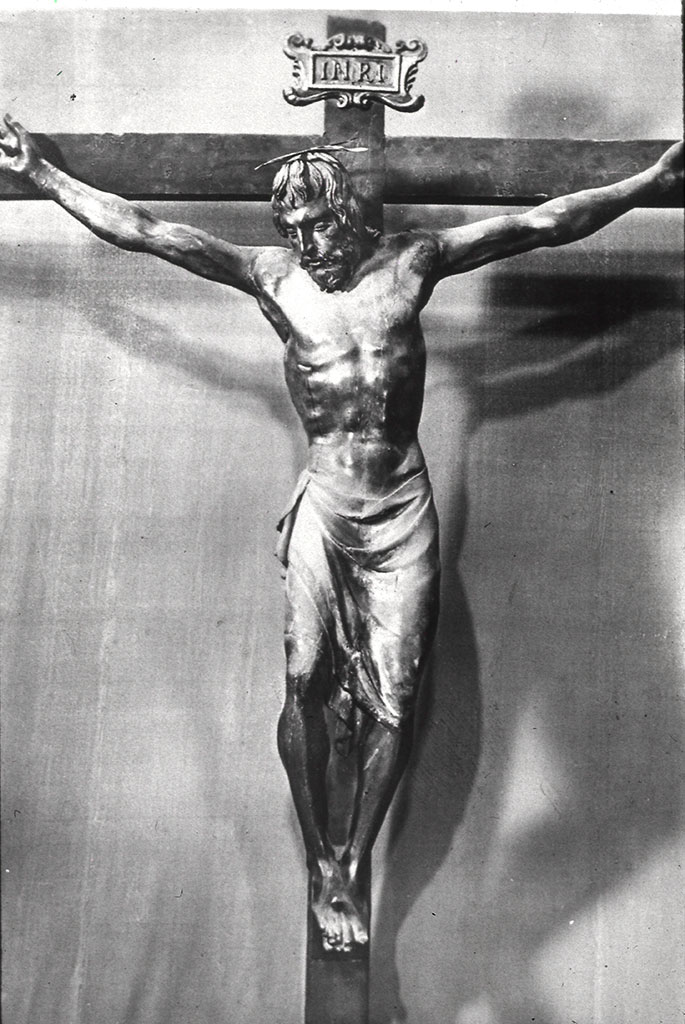
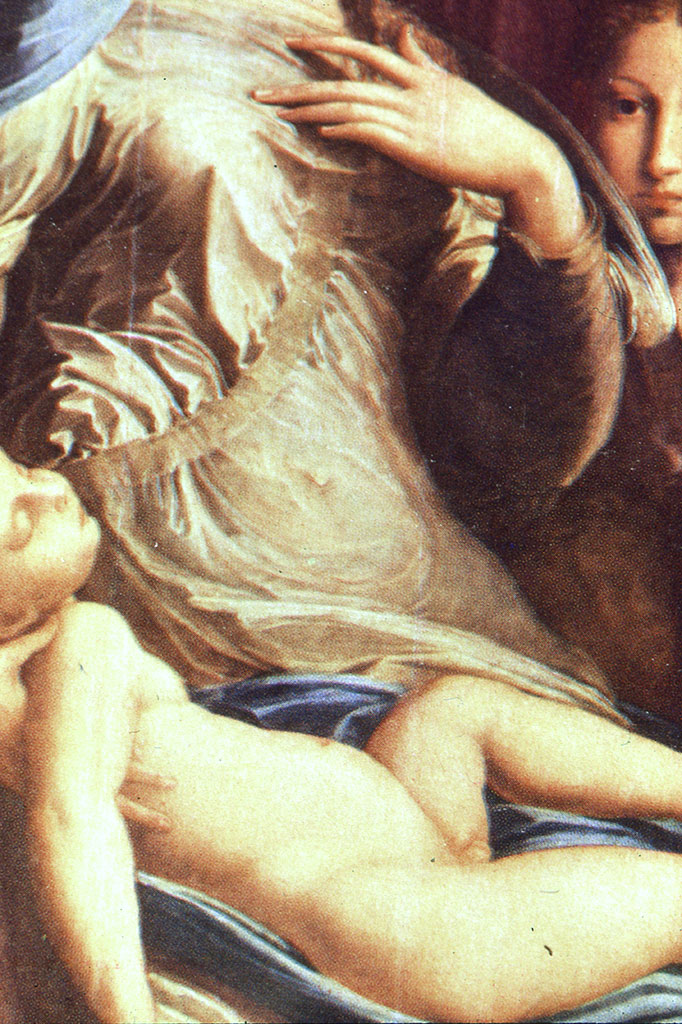
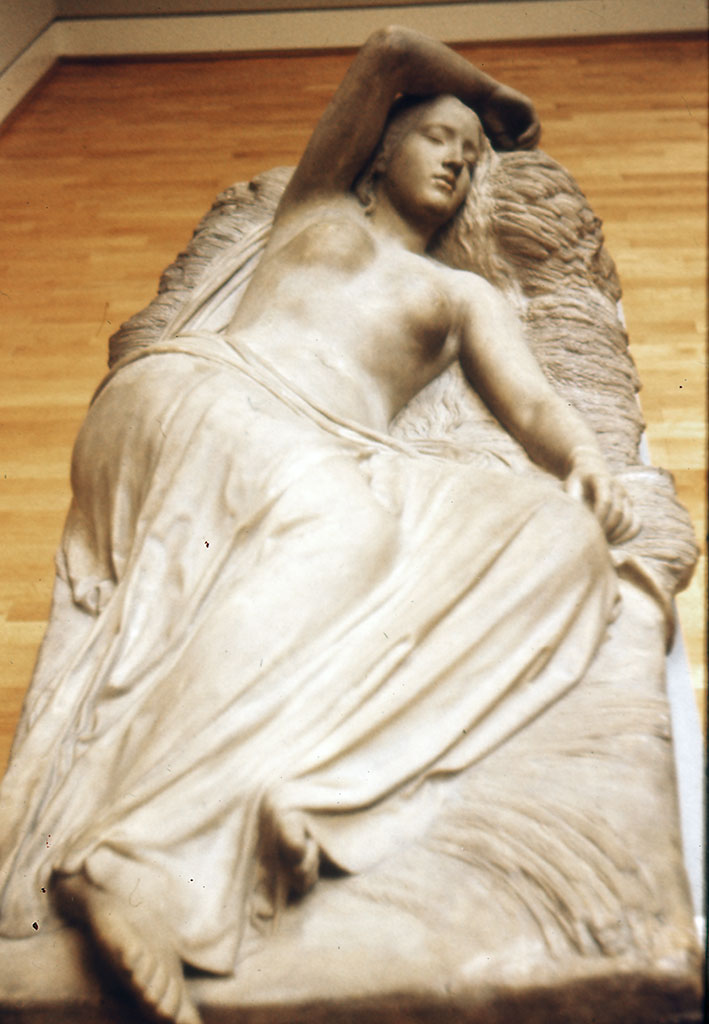
From 1960 until 1983 Reuben Kadish was a member of the faculty at the Cooper Union School of Art, where he taught art history and sculpture. Ashford studied with Kadish throughout his enrollment at Cooper Union: first attending all his Foundation-year Art History lectures, and then through three years of independent study with Kadish in sculpture. Kadish was a tremendous influence on those who studied with him, presenting an insistence on self-directed research, careful consideration of the historical and mythological narratives that formal organization produces, and a deep emotional commitment to the necessity of artistic autonomy. His teaching appeared to come from diverse commitments: anarchistic ideals of independent and skeptical thinking; vivid personal experiences of the horrors of war and American poverty, and the hope that artist-built sanctuaries for love and affiliation that could sustain human re-invention. Even then, these were very rare critiques. He embraced the idea that social life was always given the chance to regain progress in complex philosophies beauty and spoke strongly against dominant teleological conceptions of art history. For Kadish, the artists was always outside of linear time, working by definition in an ahistorical, magical collaboration with humans no longer or not yet alive – and inherited intuitions outside of rational measurement. Kadish often spoke to the durable connection between beauty and justice, something he stated was rarely quantifiable in traditional education – but always available in the beholding of artworks.
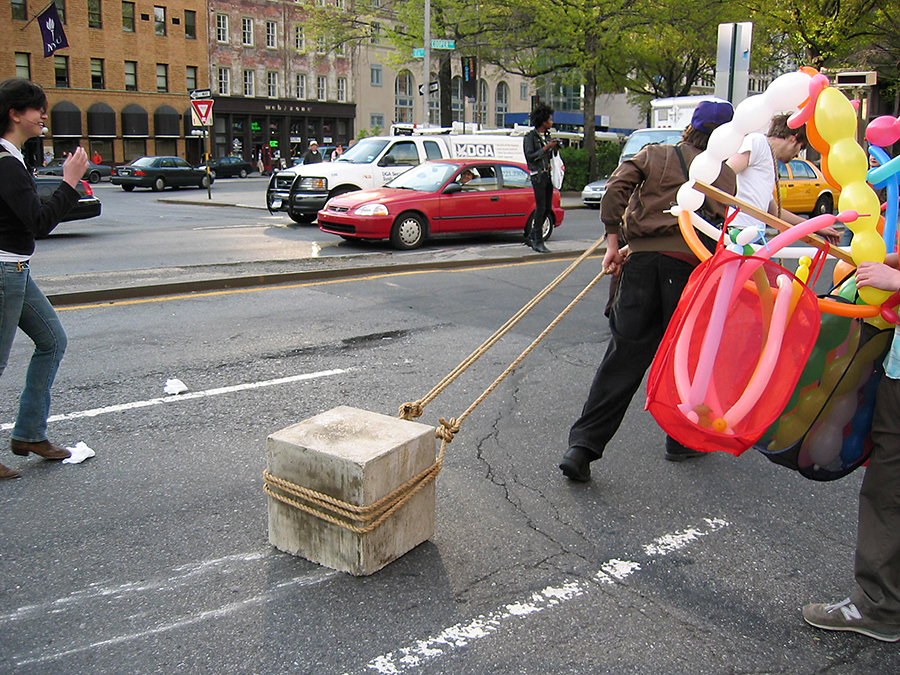
In November of 2021 Ashford was interviewed by Owen Duffy and their conversation centered on the work Reuben Kadish was doing while Ashford was a student. This interview is published on the School Watch site of Art & Education, with restored images from Ashford’s archive of Kadish’s slide carousels. _(link)

Rueben Kadish

Foundation Year: Three-Dimensional Design at The Cooper Union

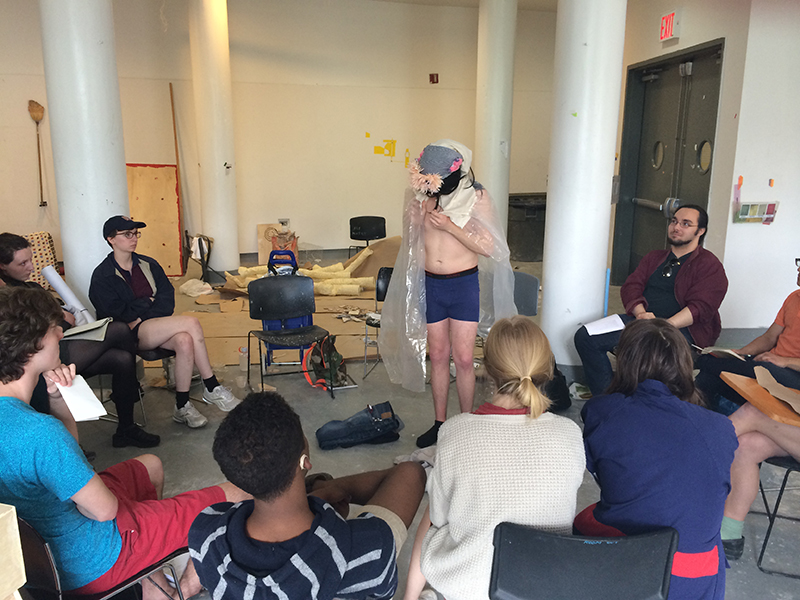
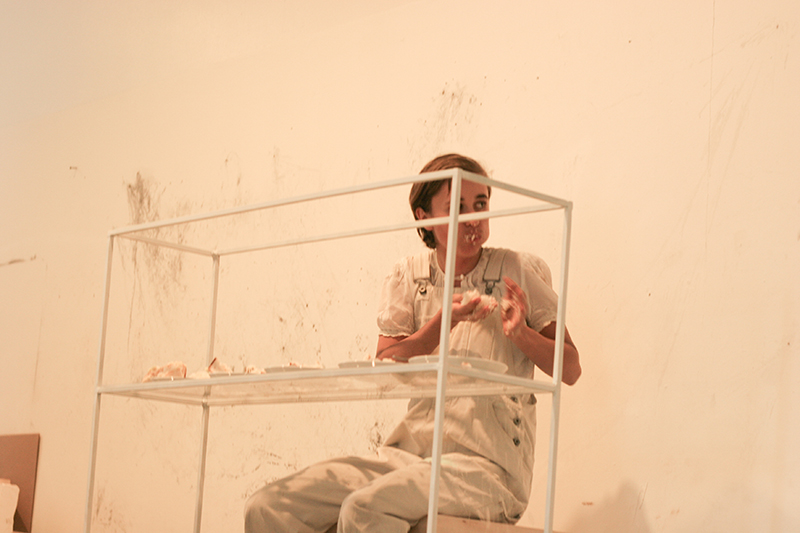
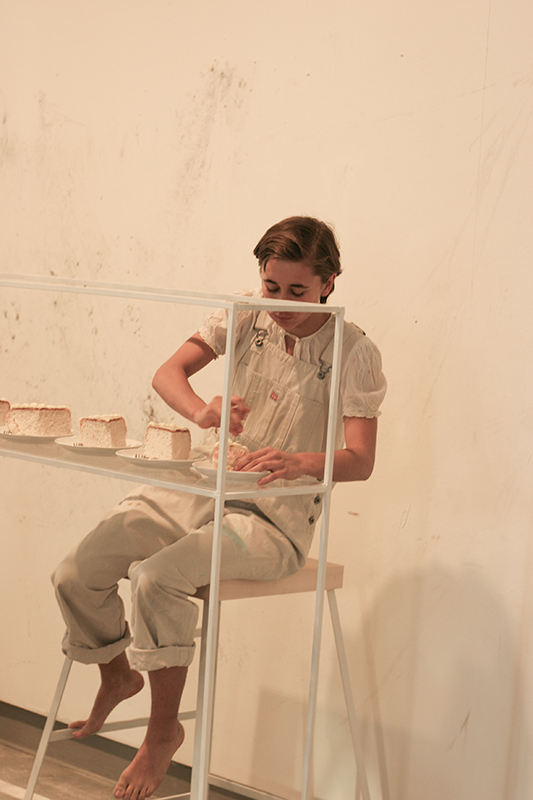
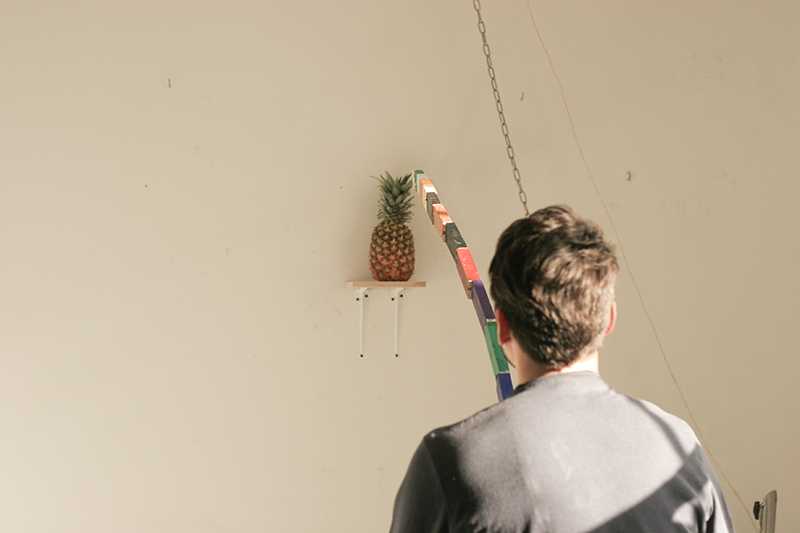
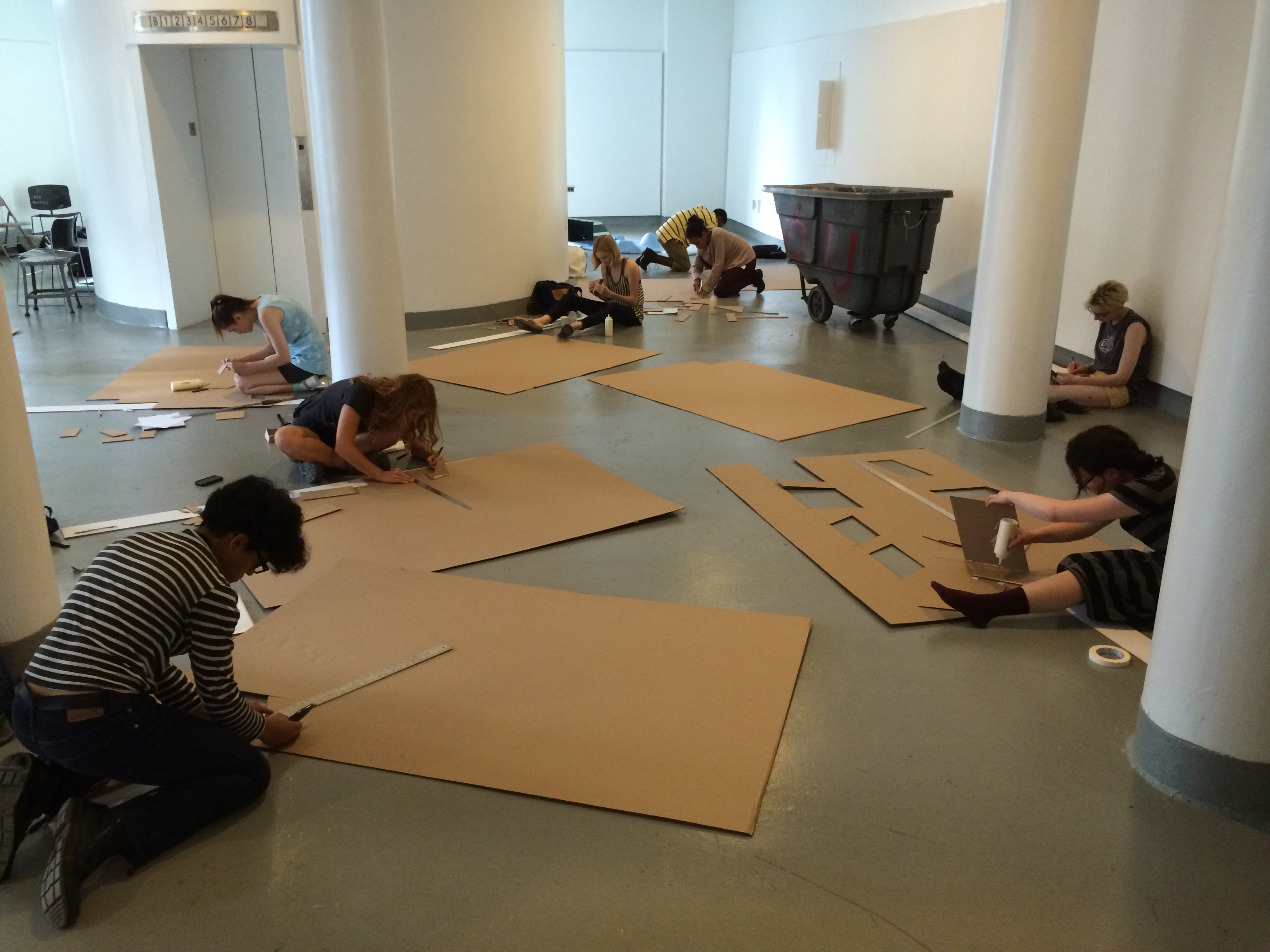
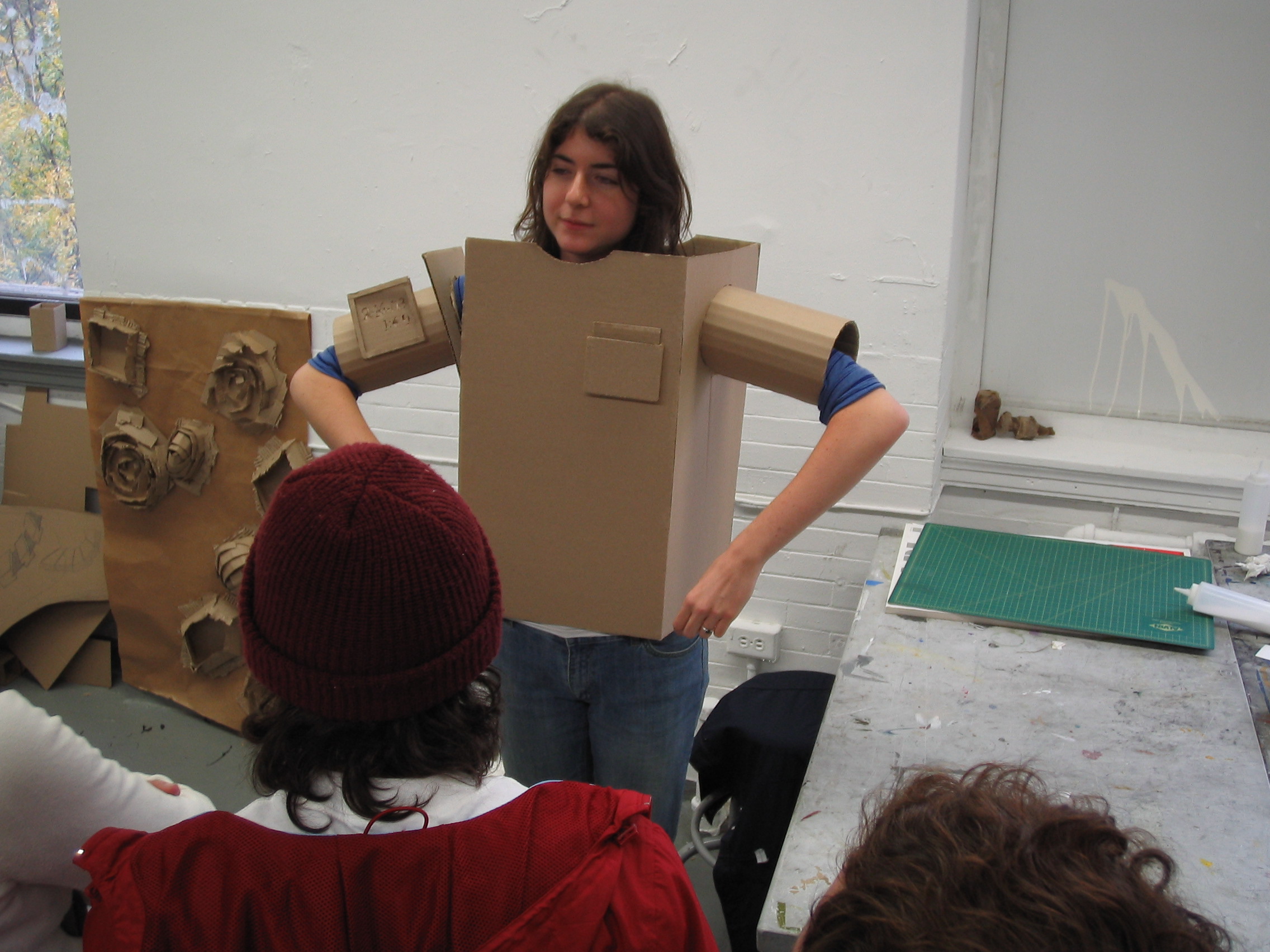
Since 1999 Ashford has been teaching Three-Dimensional Design, a course considered a foundational learning experience relevant to all the disciplines in the School of Art. Shifting between the real problems of material fabrication and the ideal expectations of students’ imaginations, this class engages in how three dimensional thinking makes social re-invention possible. Accordingly, consciousness can be re-examined through the relationships already existing within built things: objects are stories about our relationships to each other, collections of how we value association, difference and rebellion. In a sense, Three-Dimensional Design proposes the autonomy we might demand in response to the built world. In designing a thing or event that takes up space or time, the class is asking how life could be organized and elevated; how one thing could be changed by another; the societal bodies and minds moved with them; what organizes and elevates our selves – what we can imagine we might feel.

Syllabus _ download

Assignments _ download


Foundation Year 3DD

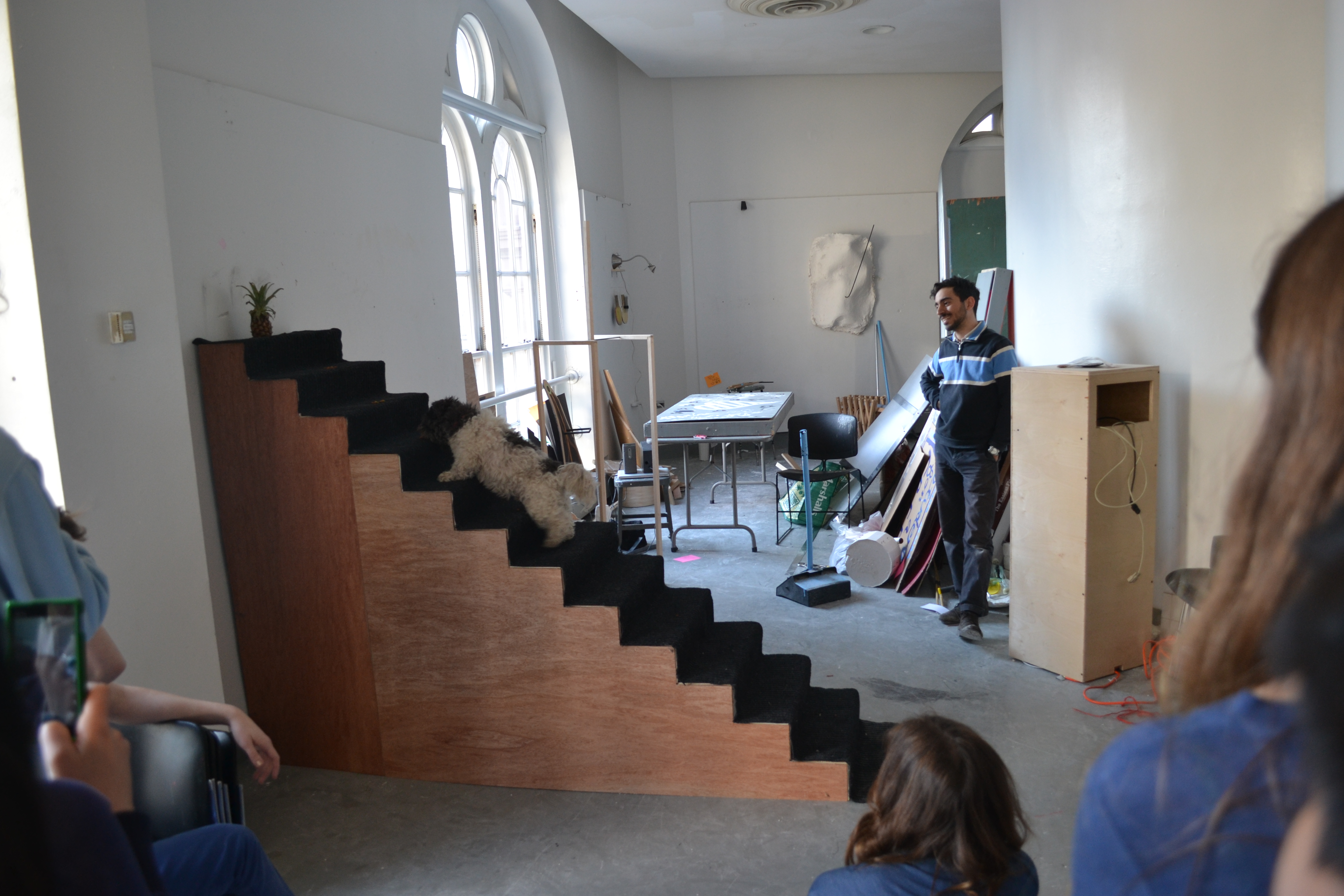
Sculpture: Open Studio at The Cooper Union

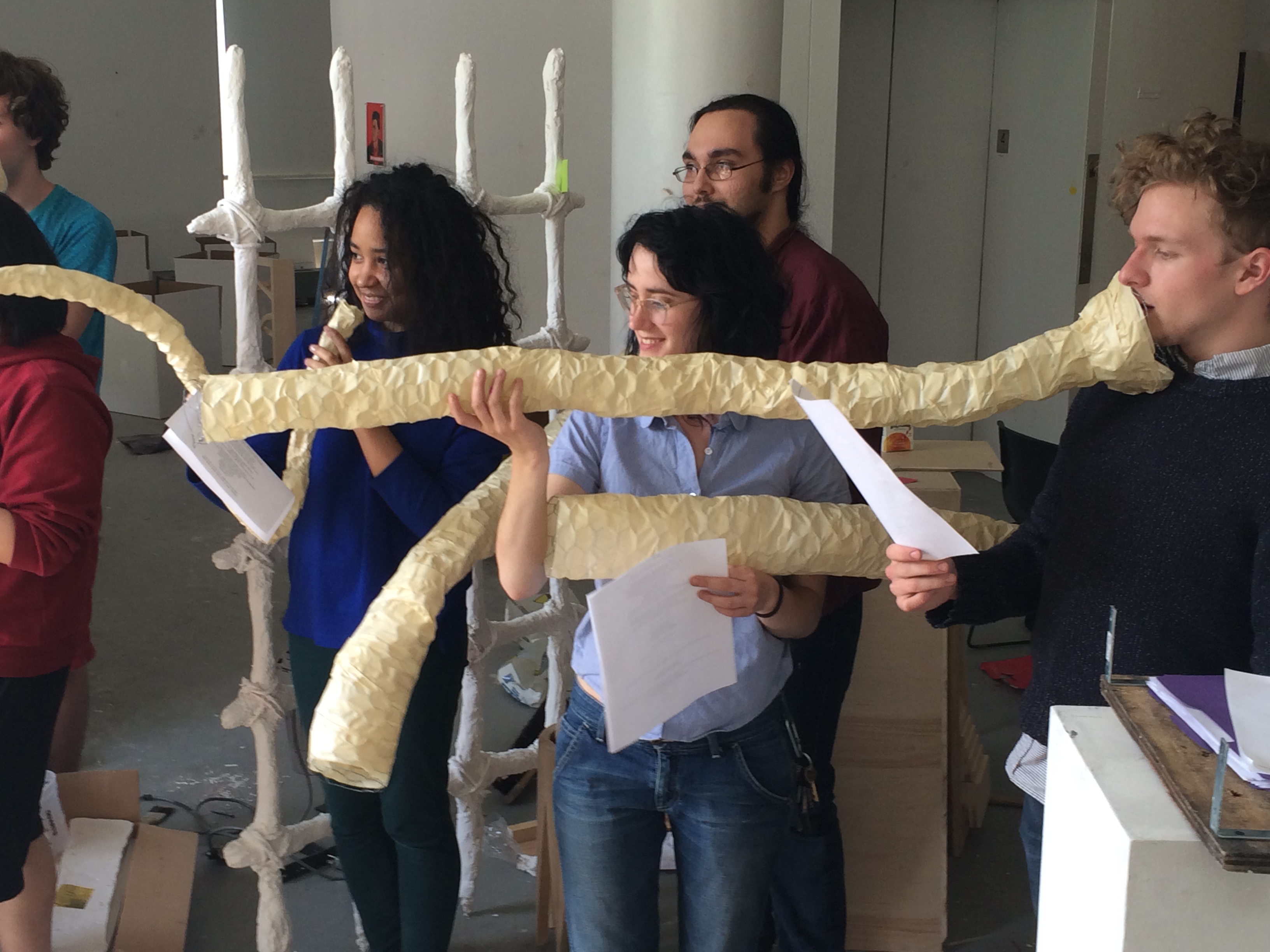
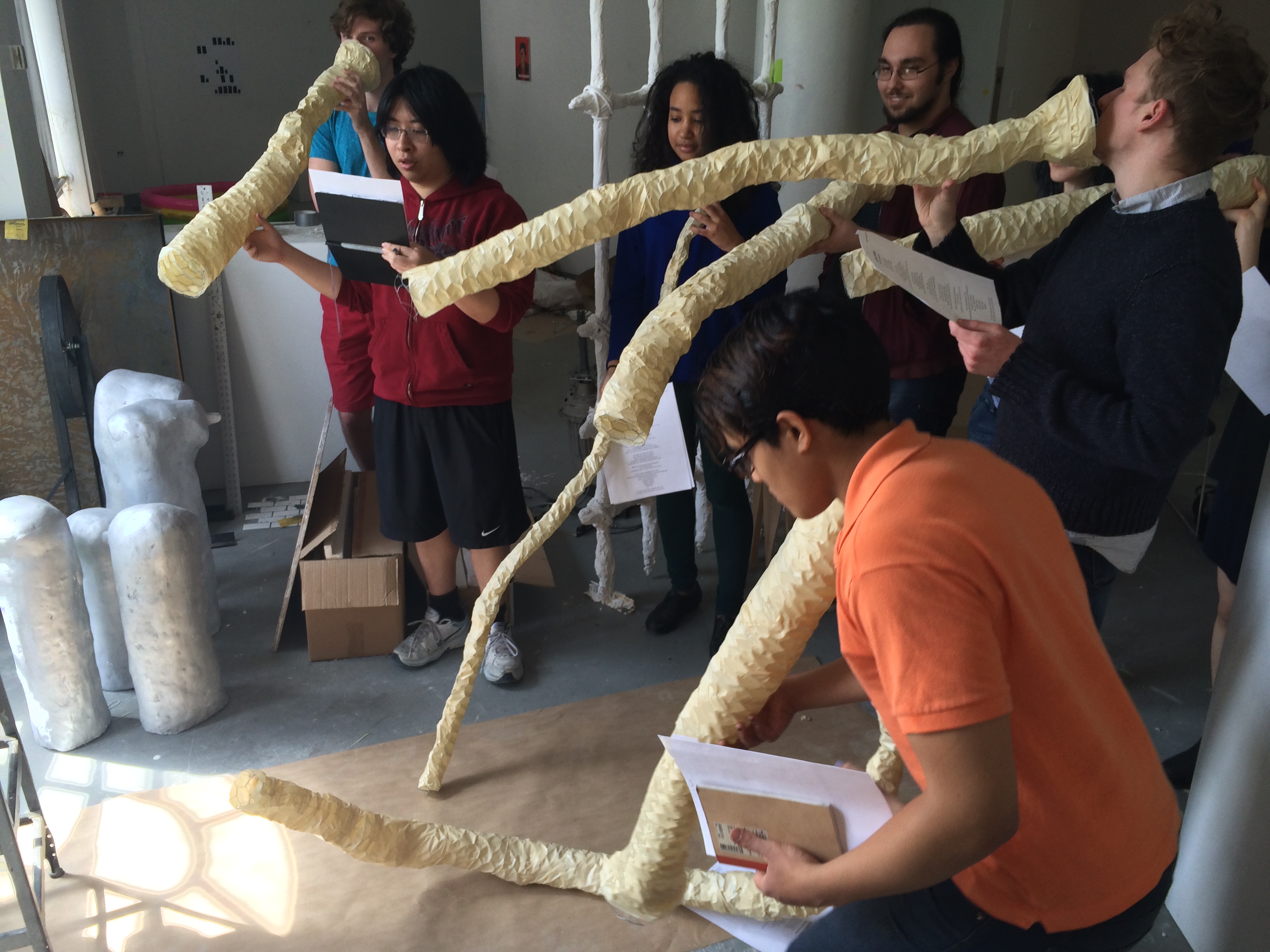
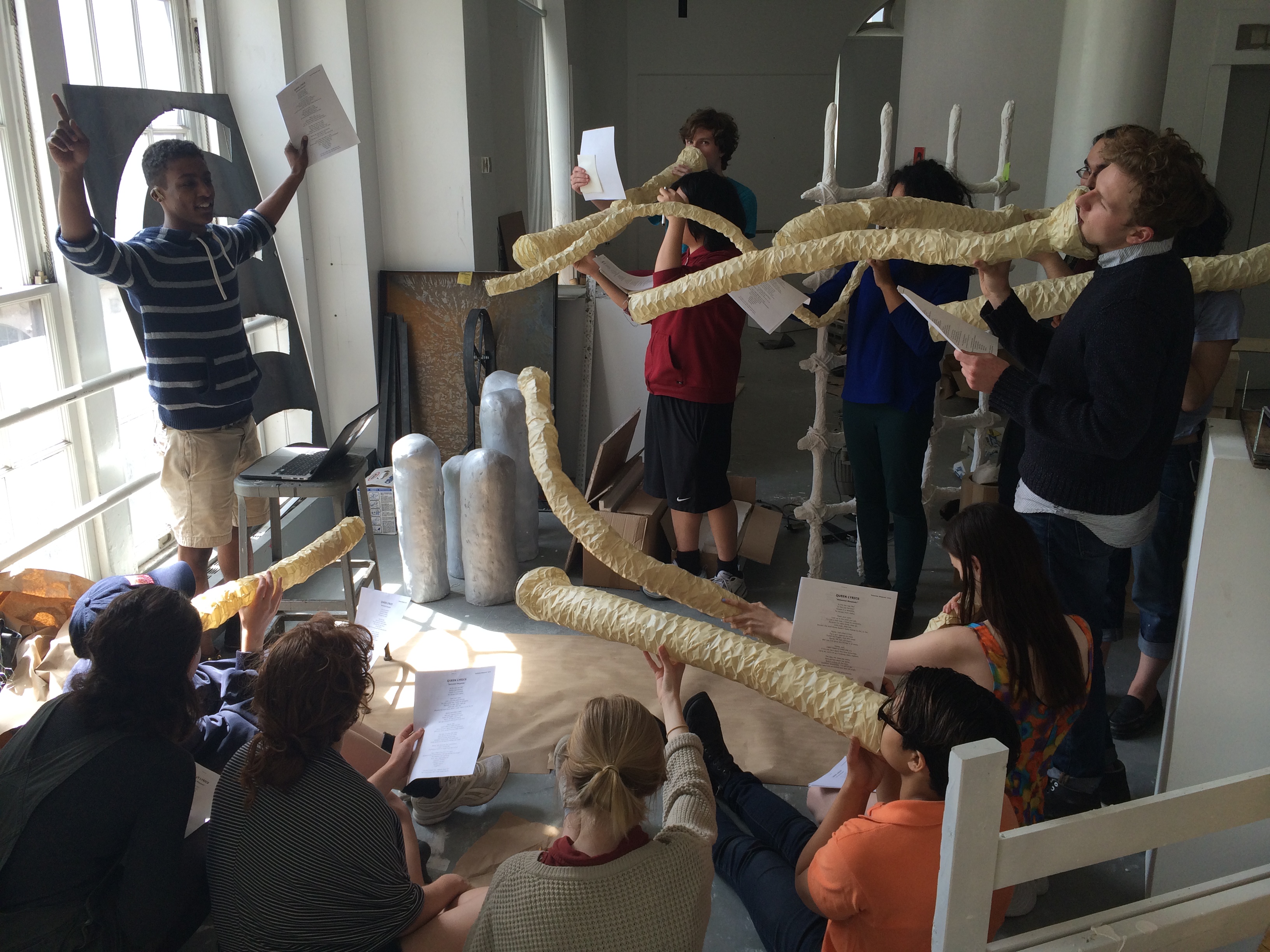
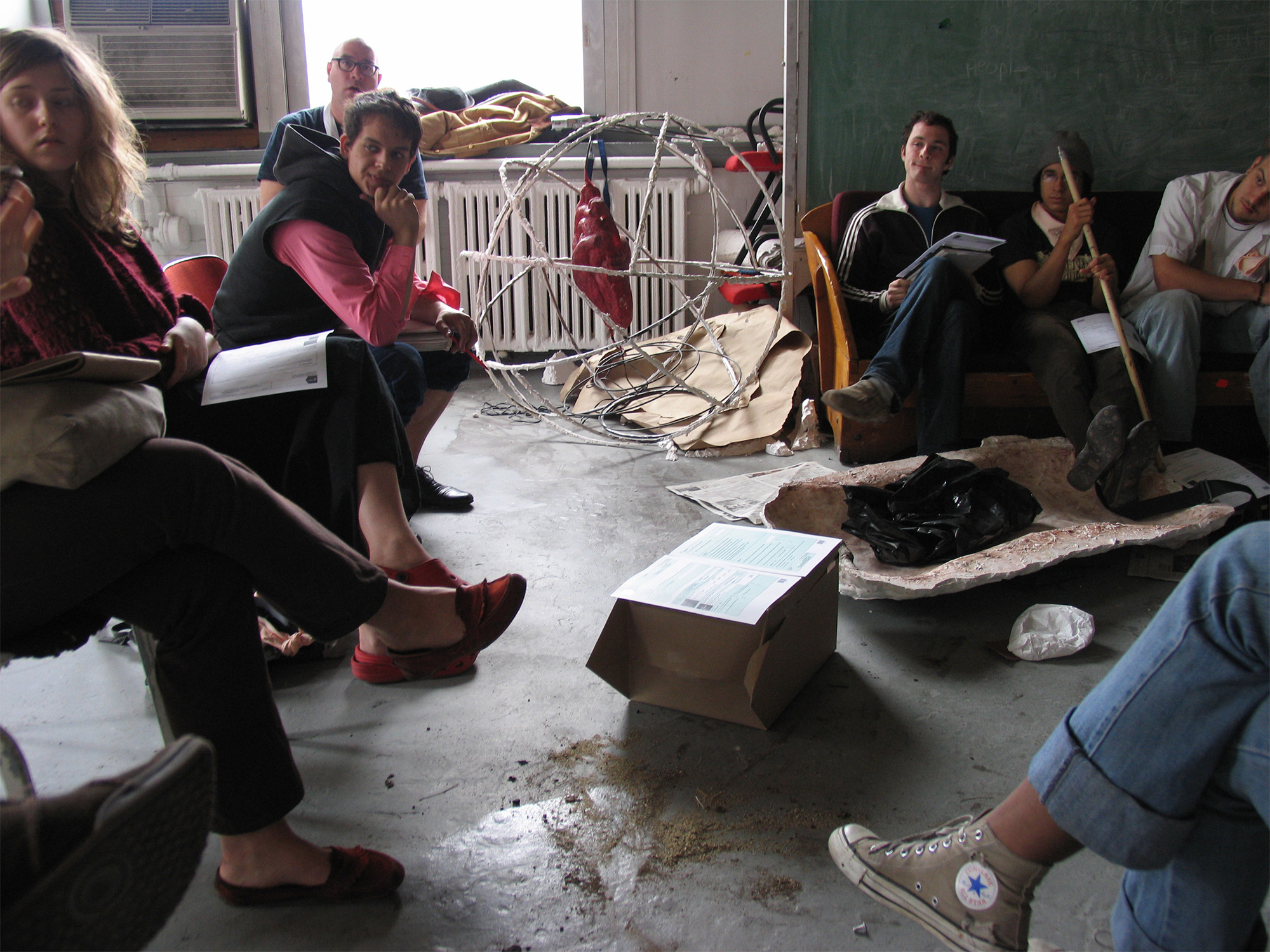
In 1989 Ashford was asked by Hans Haacke, his former professor to teach an advanced studio class then labeled as “Sculpture.” Over the years Ashford re-designed the course repeatedly, as the condition of making and thinking changed. From 1990 until 2011 the class was taught with the use of a single assignment linking the members of the class into a related field of research: “Produce a work derived from the lives of everyone in the room” – “Design a Crime” – “Assume the identity of a Fan and produce an element of their life,” etc. Ashford changed the name of the class in 2006 in order to imagine an educational practice separated from the oppressive developments in academic “critique.”  Course content is now organized around the production of the collaborative instruction between participants by examining individual artistic propositions that seem beyond the capacity to produce.  In other words, the class is asked to work from untethered collective inquiry into the possibility of  a yet unrecognized method of thinking and making. Accordingly, it is now called “Open Studio”

– Syllabus _ (link)
– Propositions _ (link)
– Docs _ download (forthcoming)

Sculpture: Open Studio at The Cooper Union

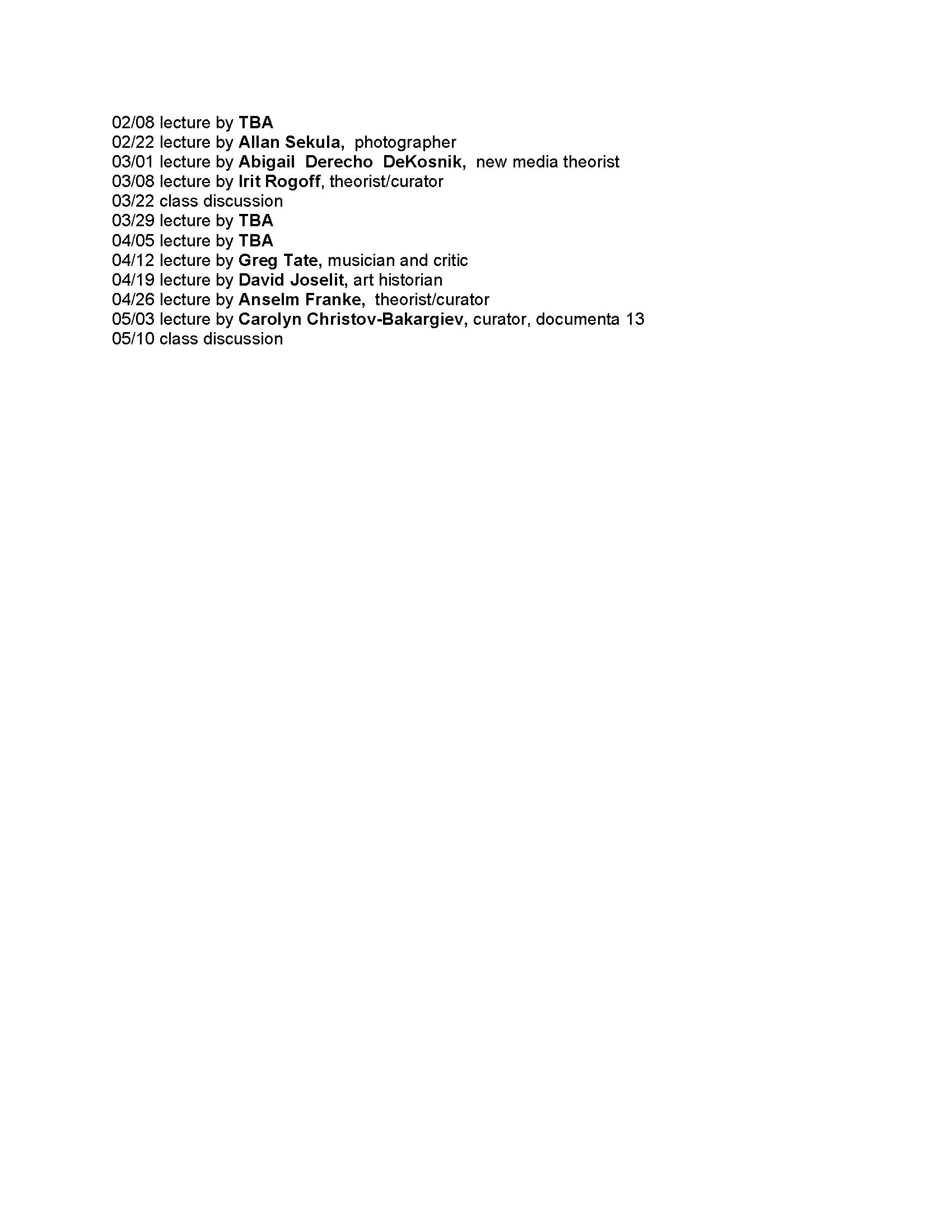
Shifting Territories Seminar at Cooper Union

Forthcoming

– Syllabus-““-Shifting-Territories.pdf

Lecture_Poster

Shifting Territories Seminar

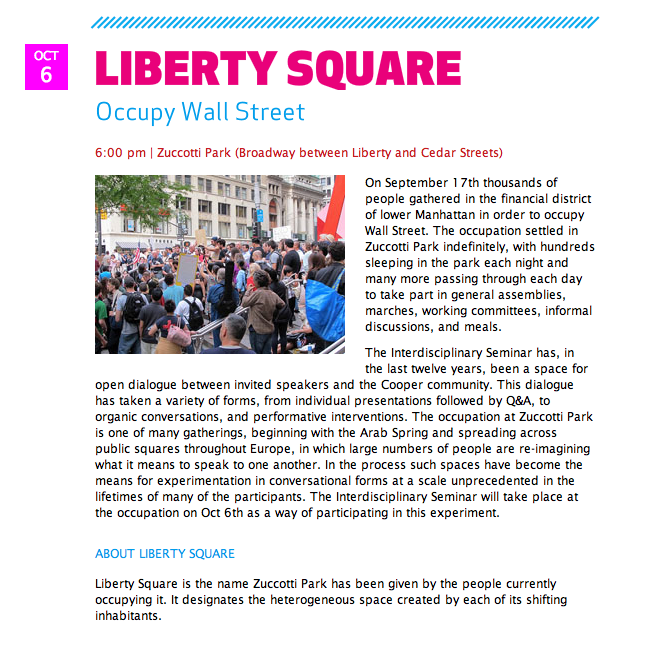
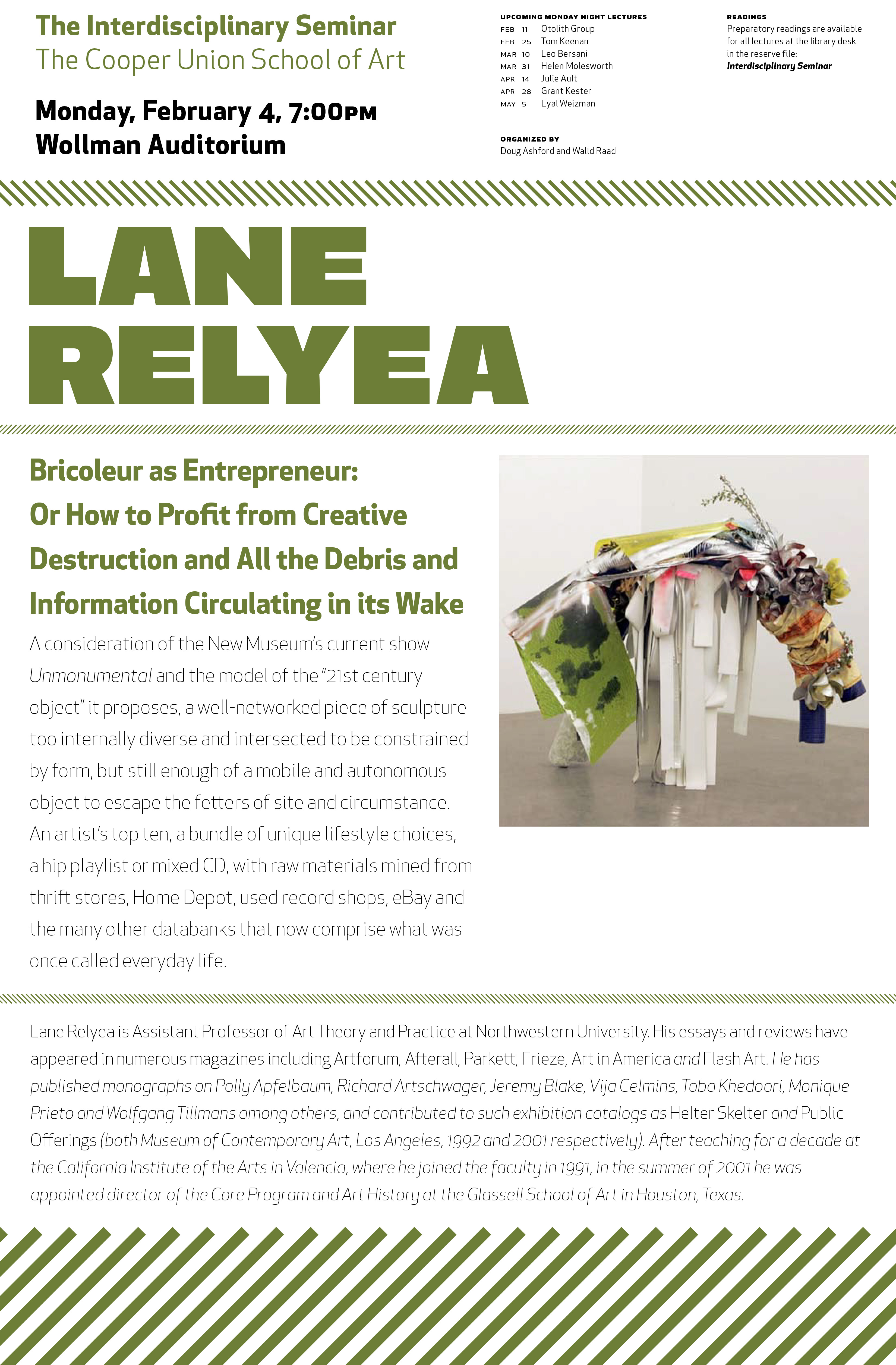
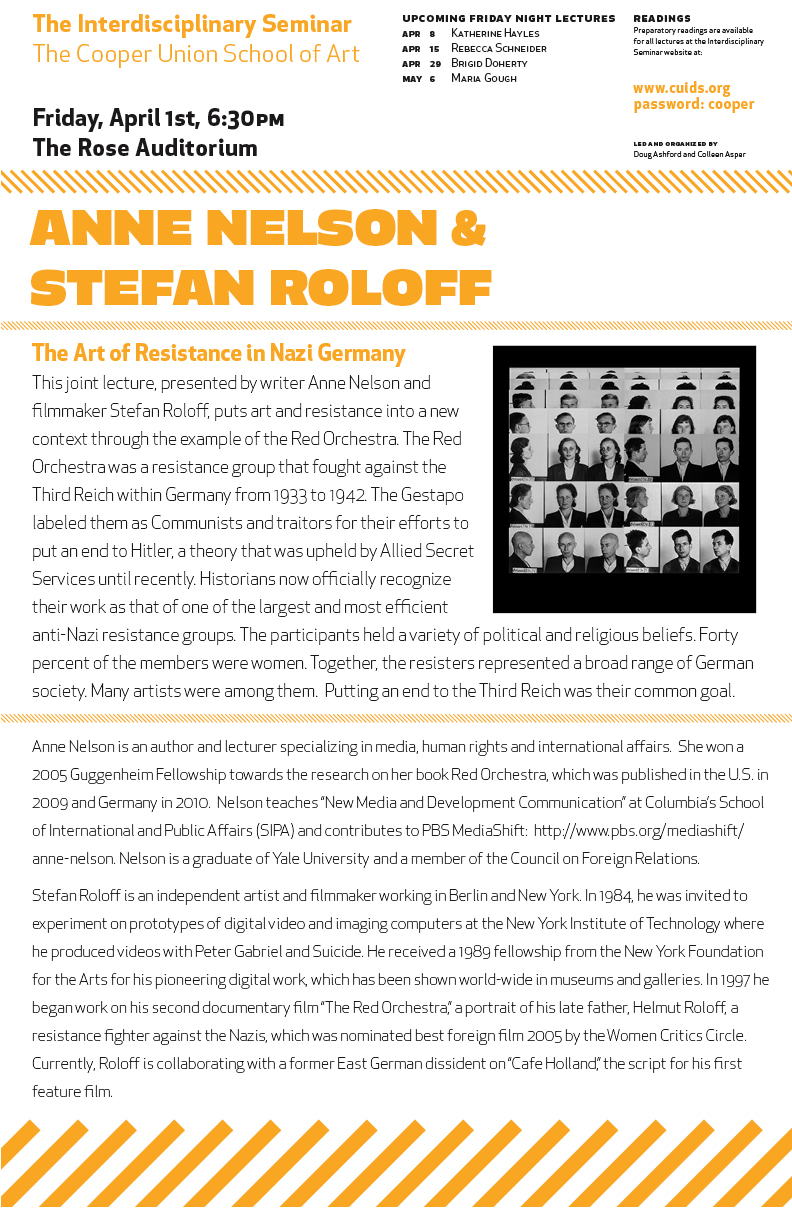
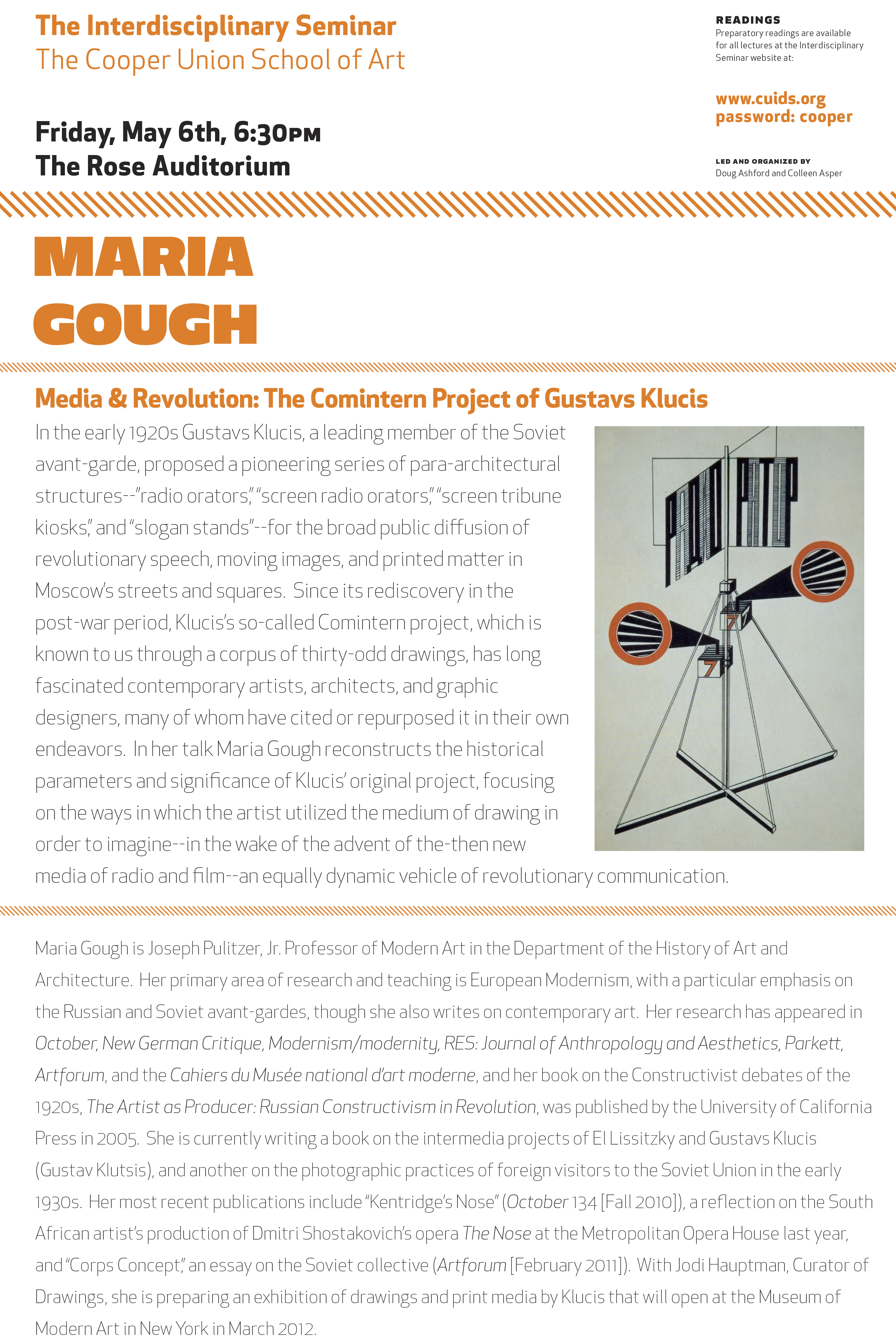
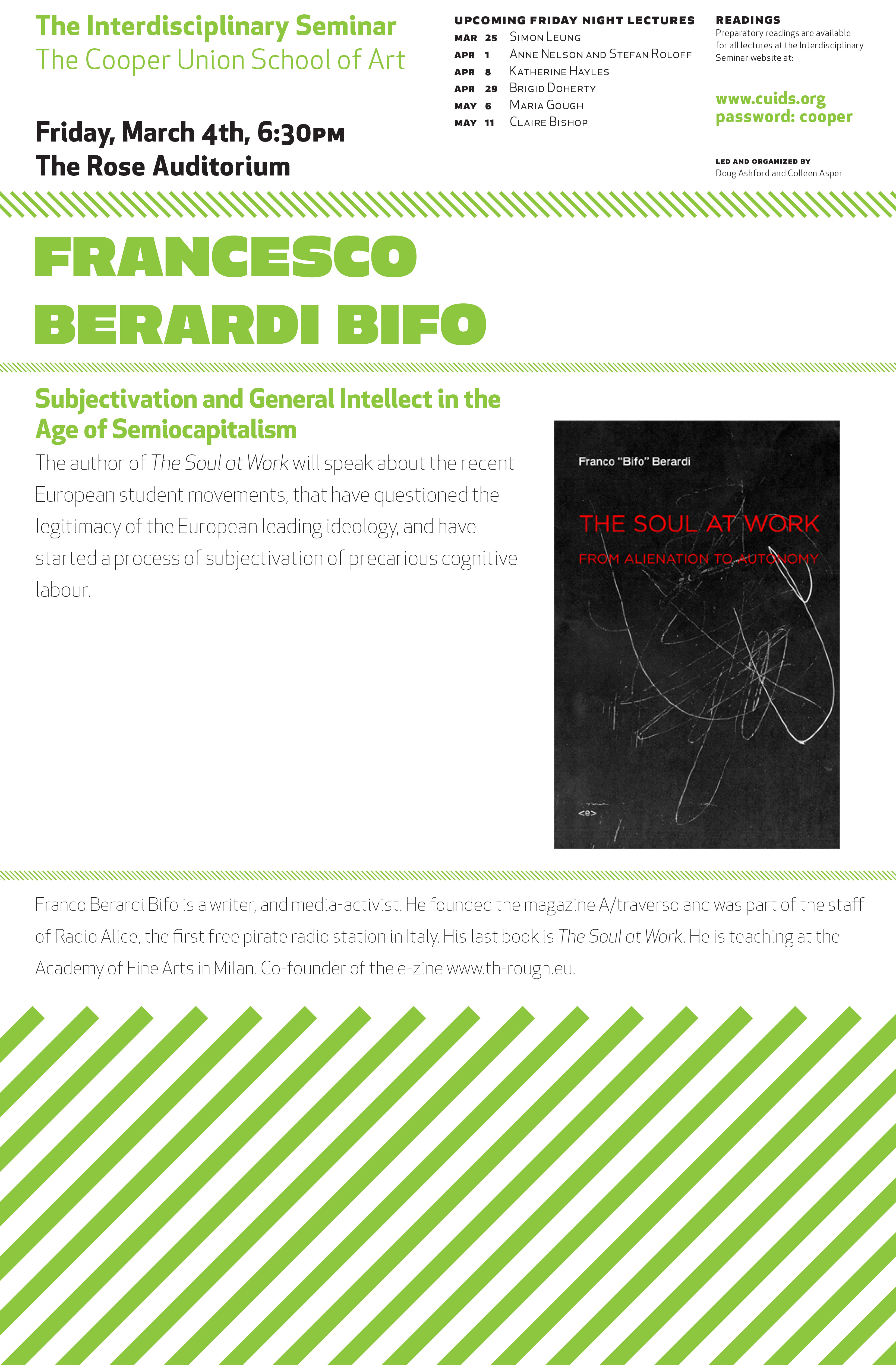
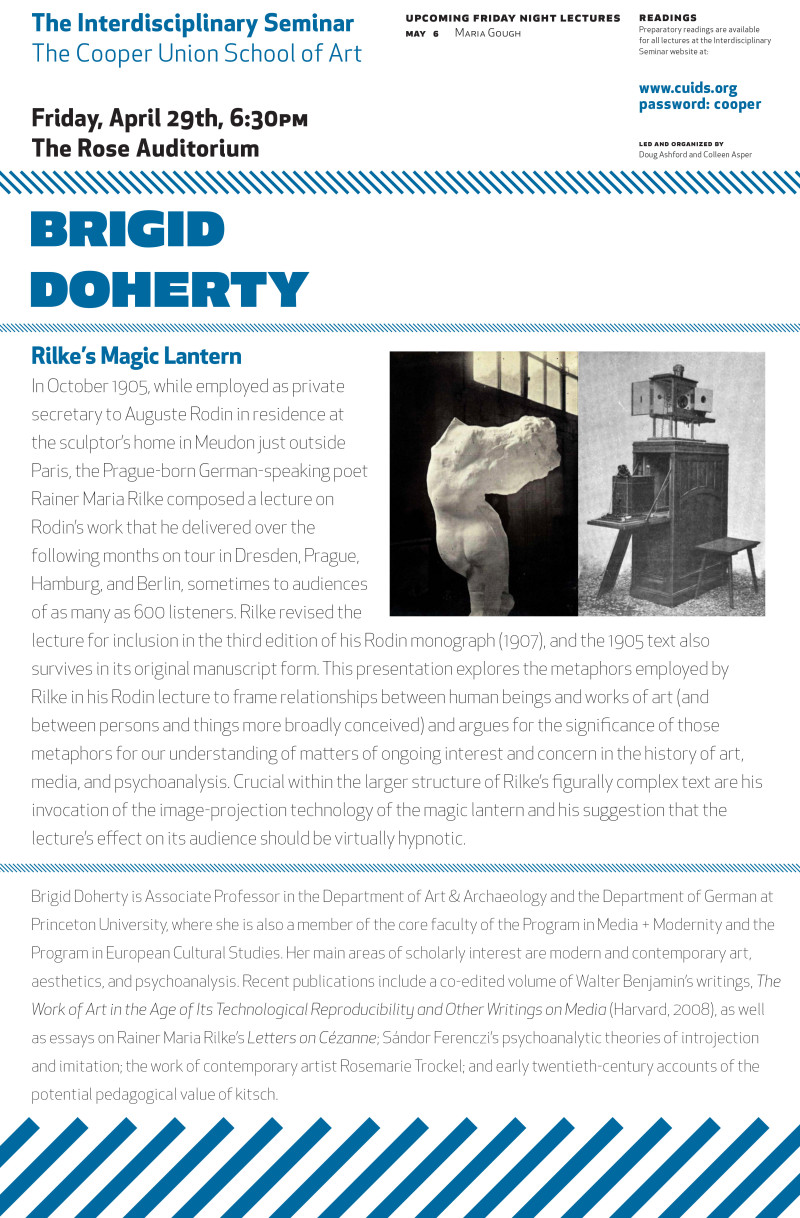
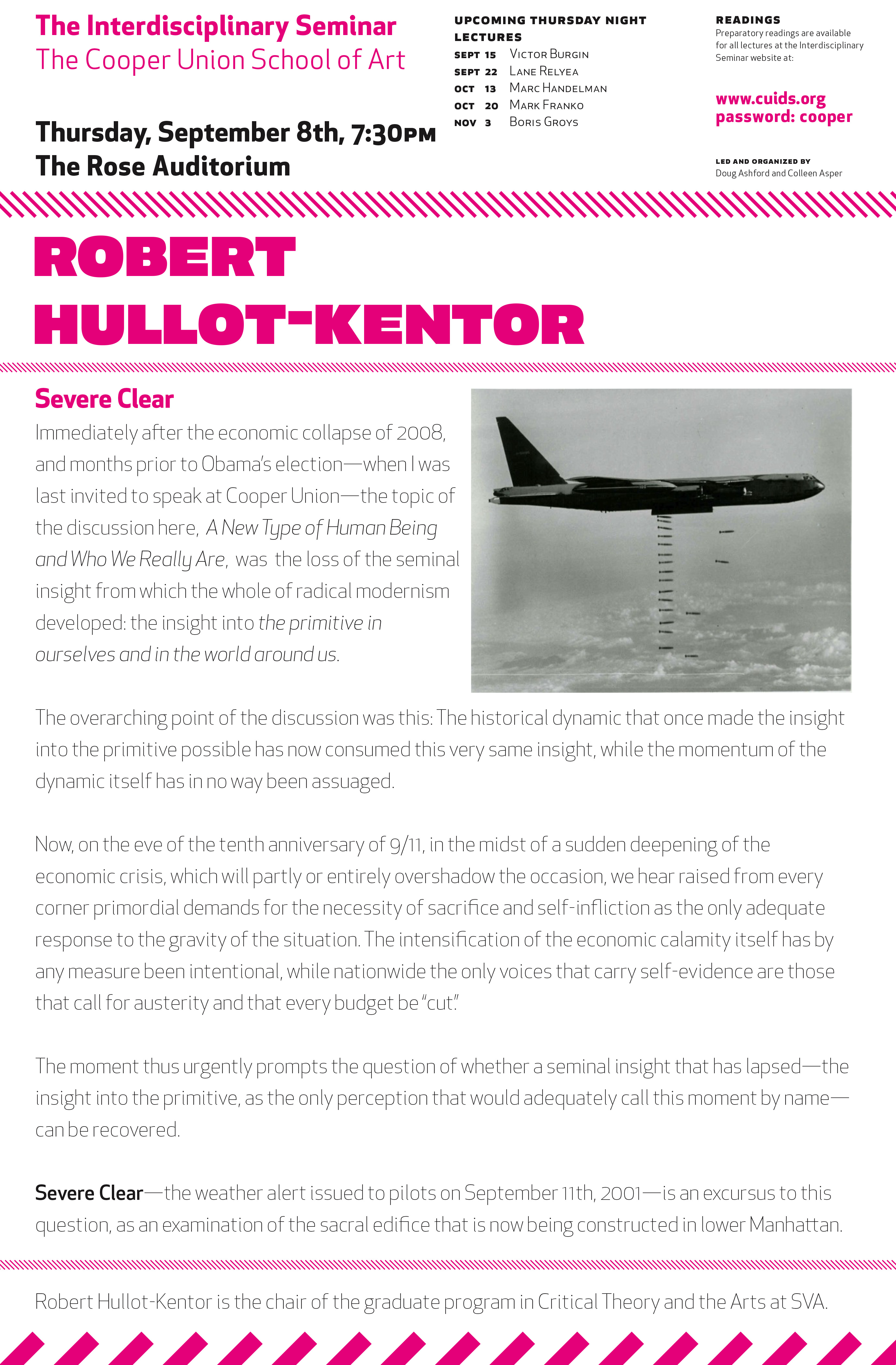
Inter-Disciplinary Seminar at The Cooper Union


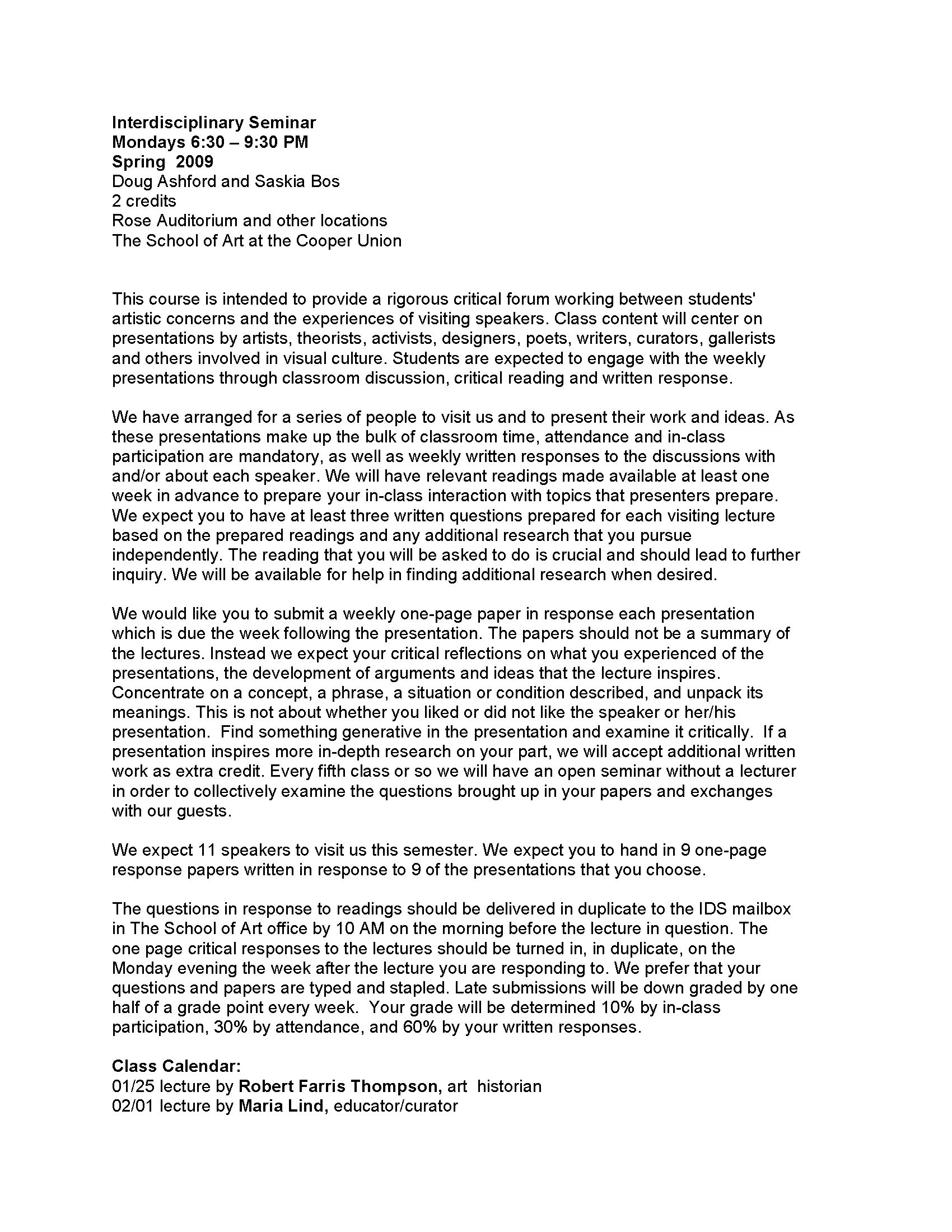
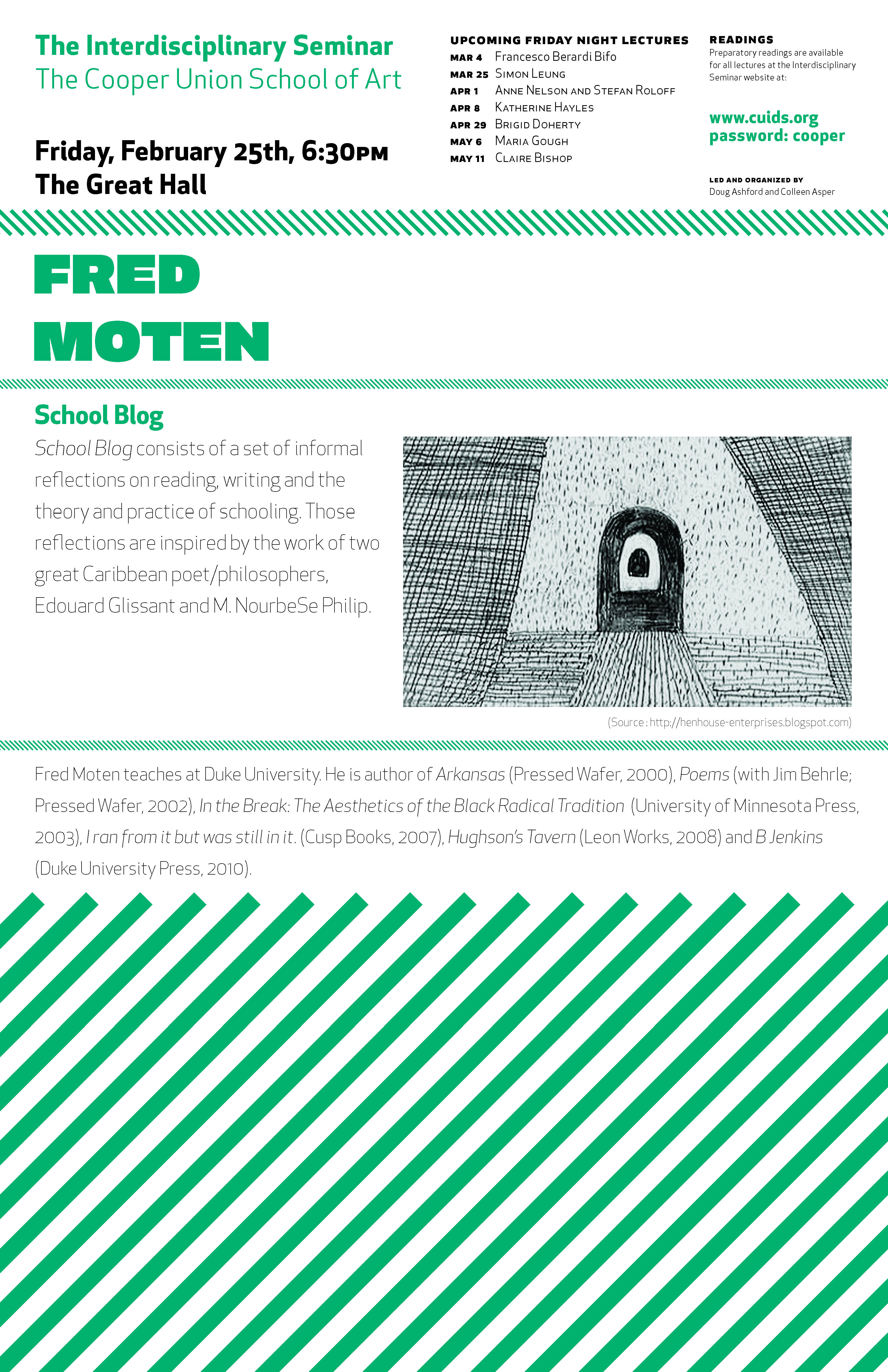
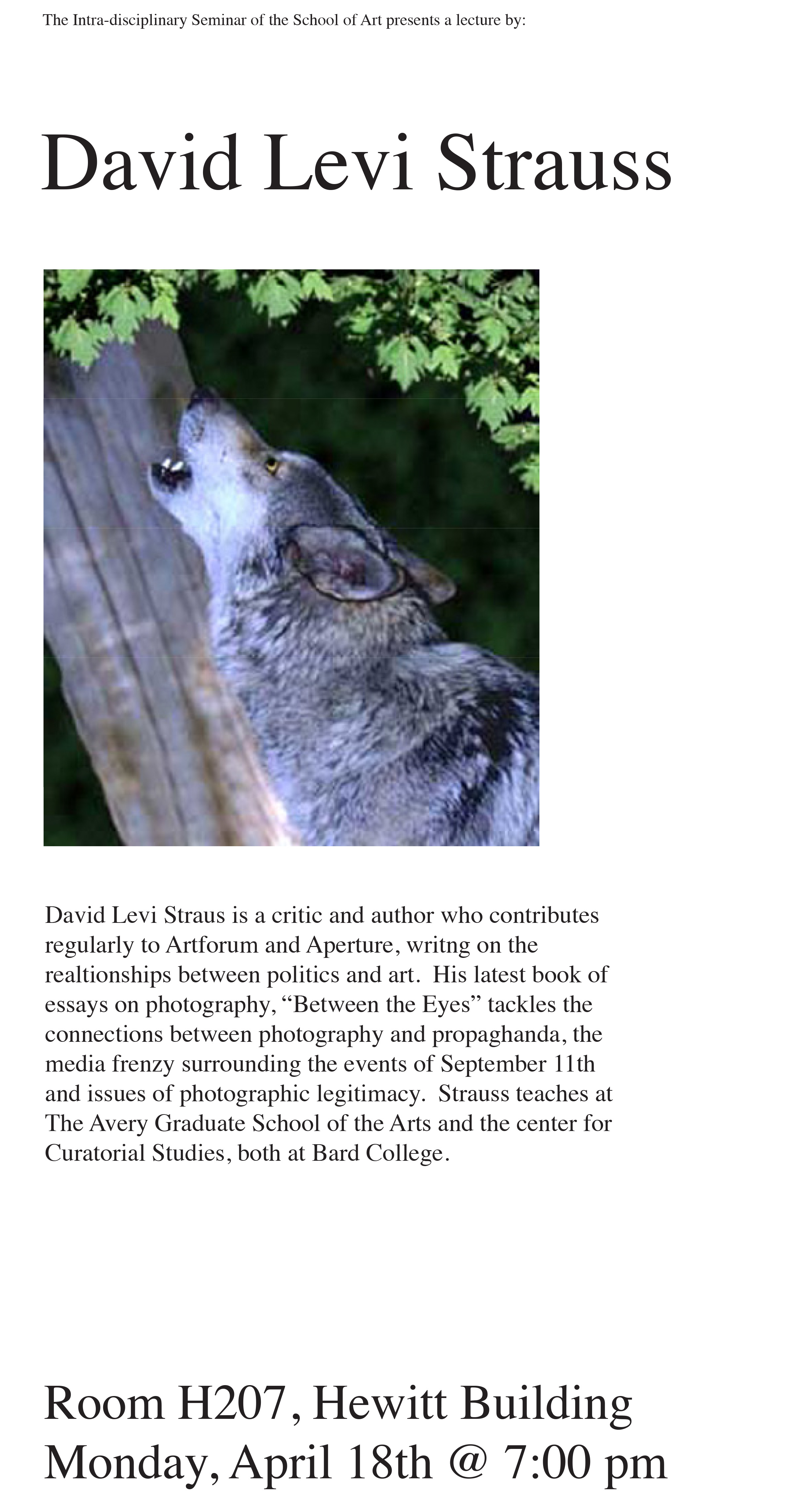
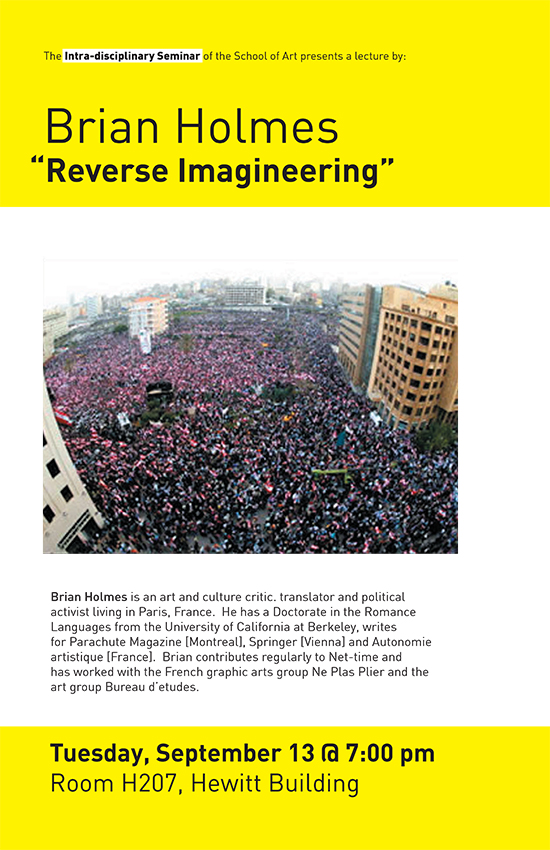
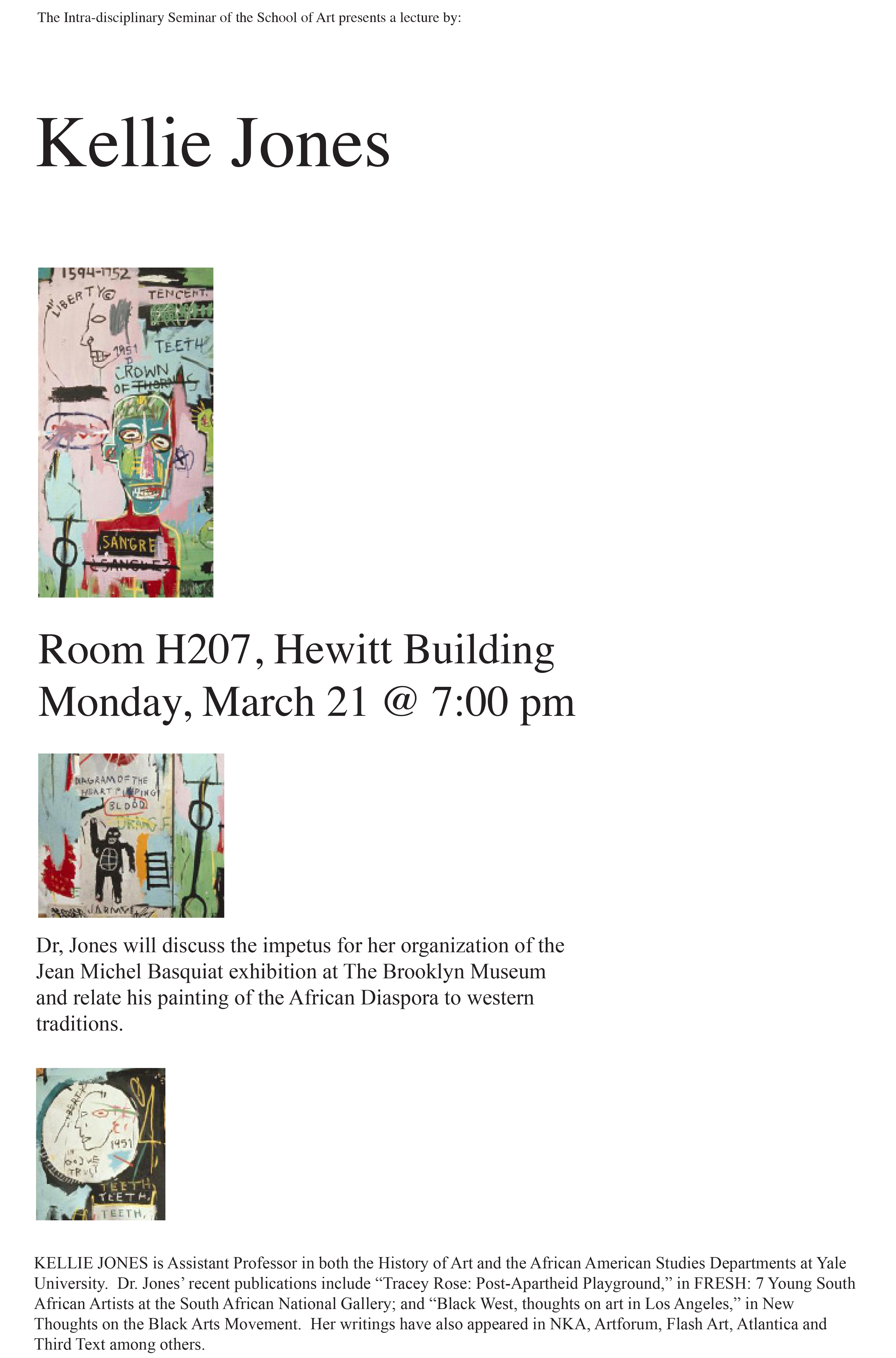
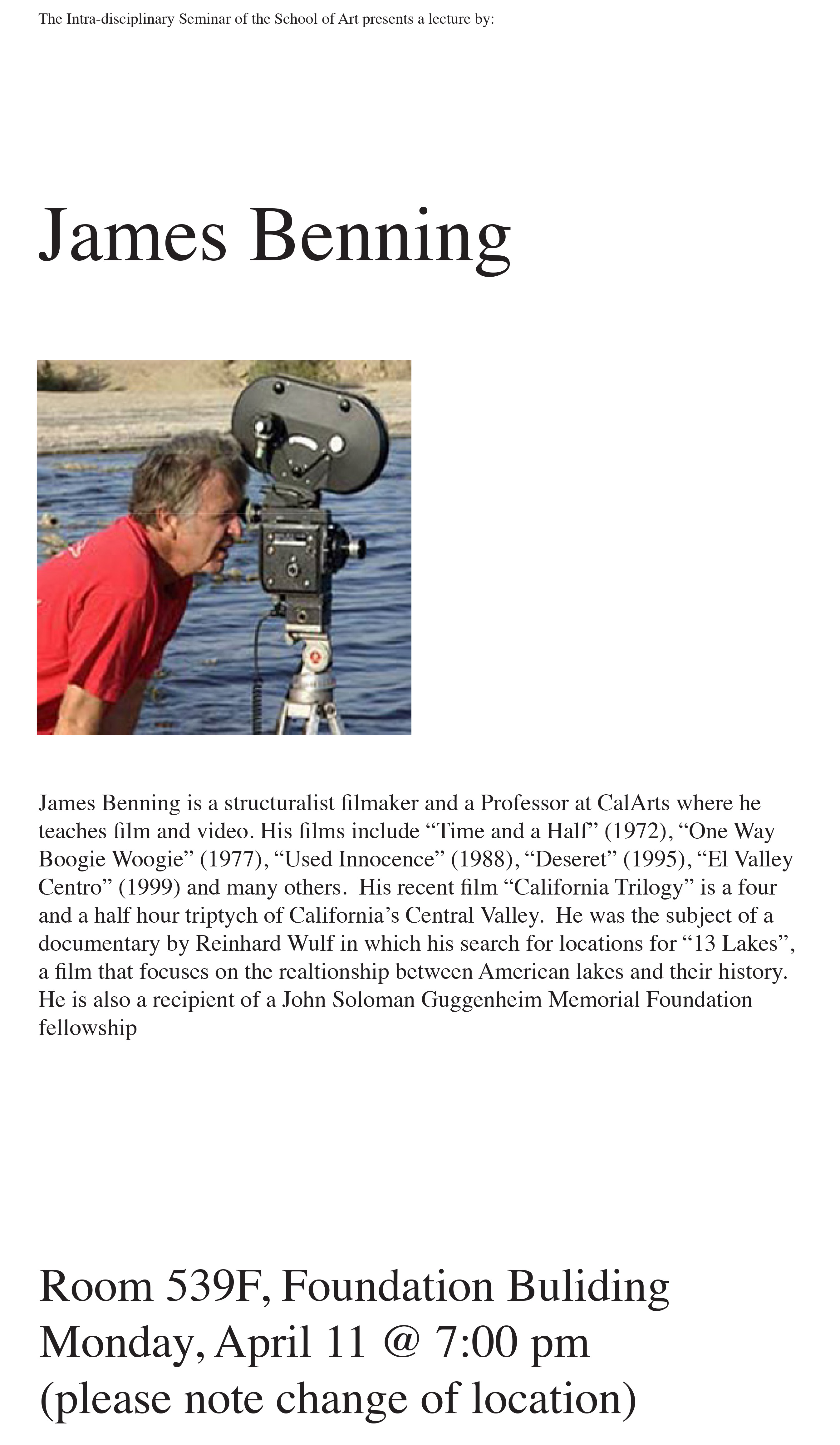
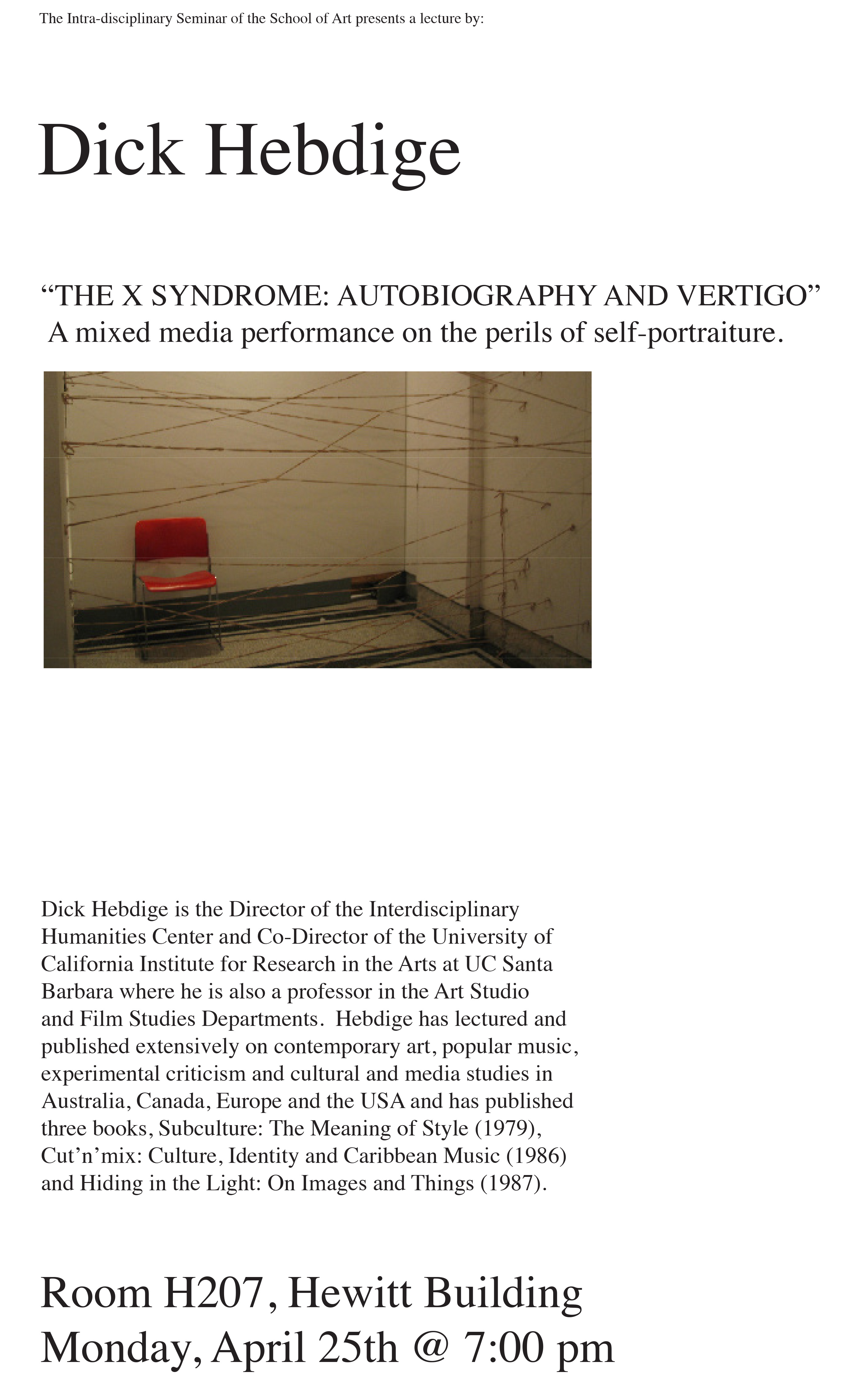
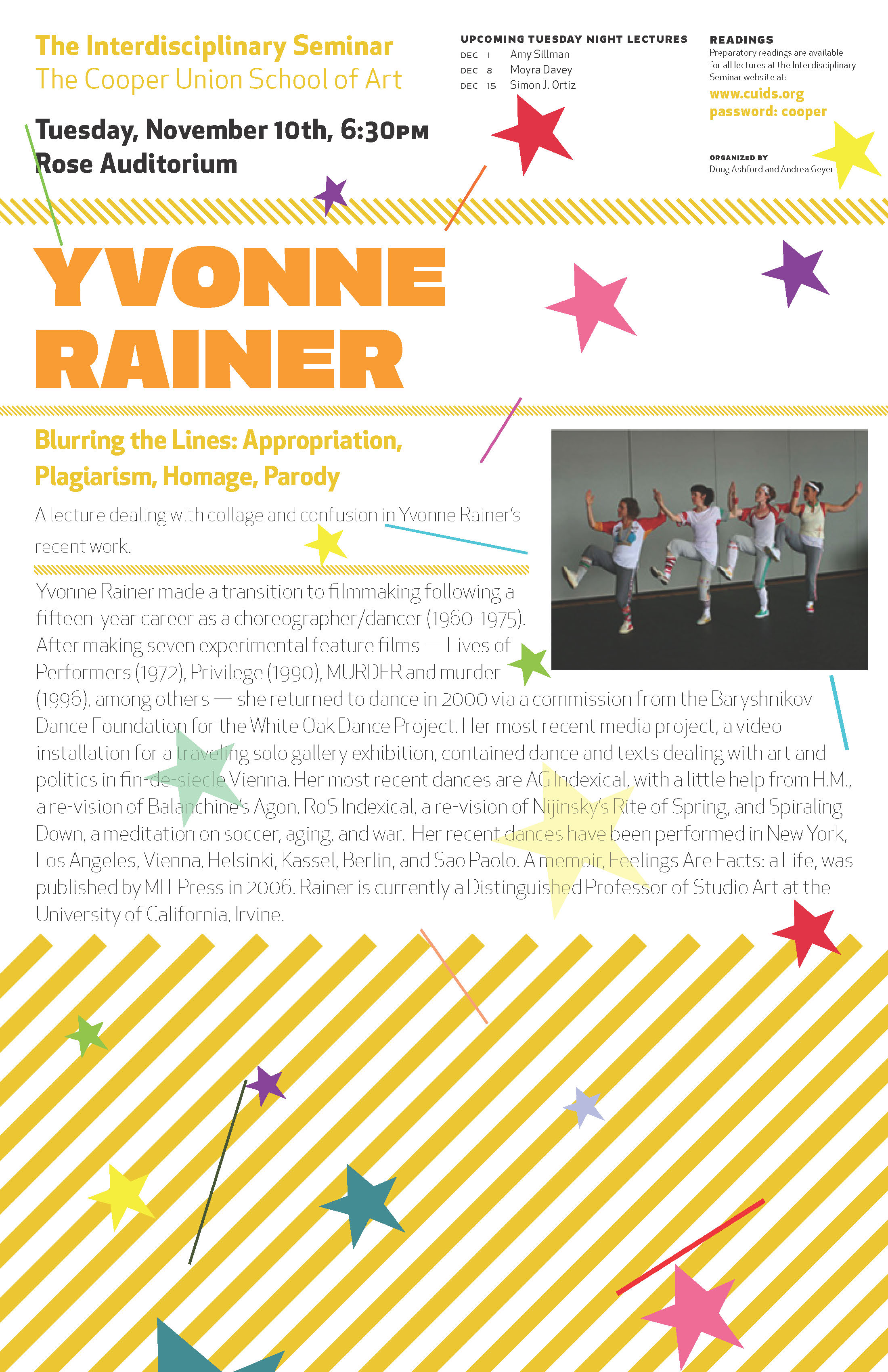
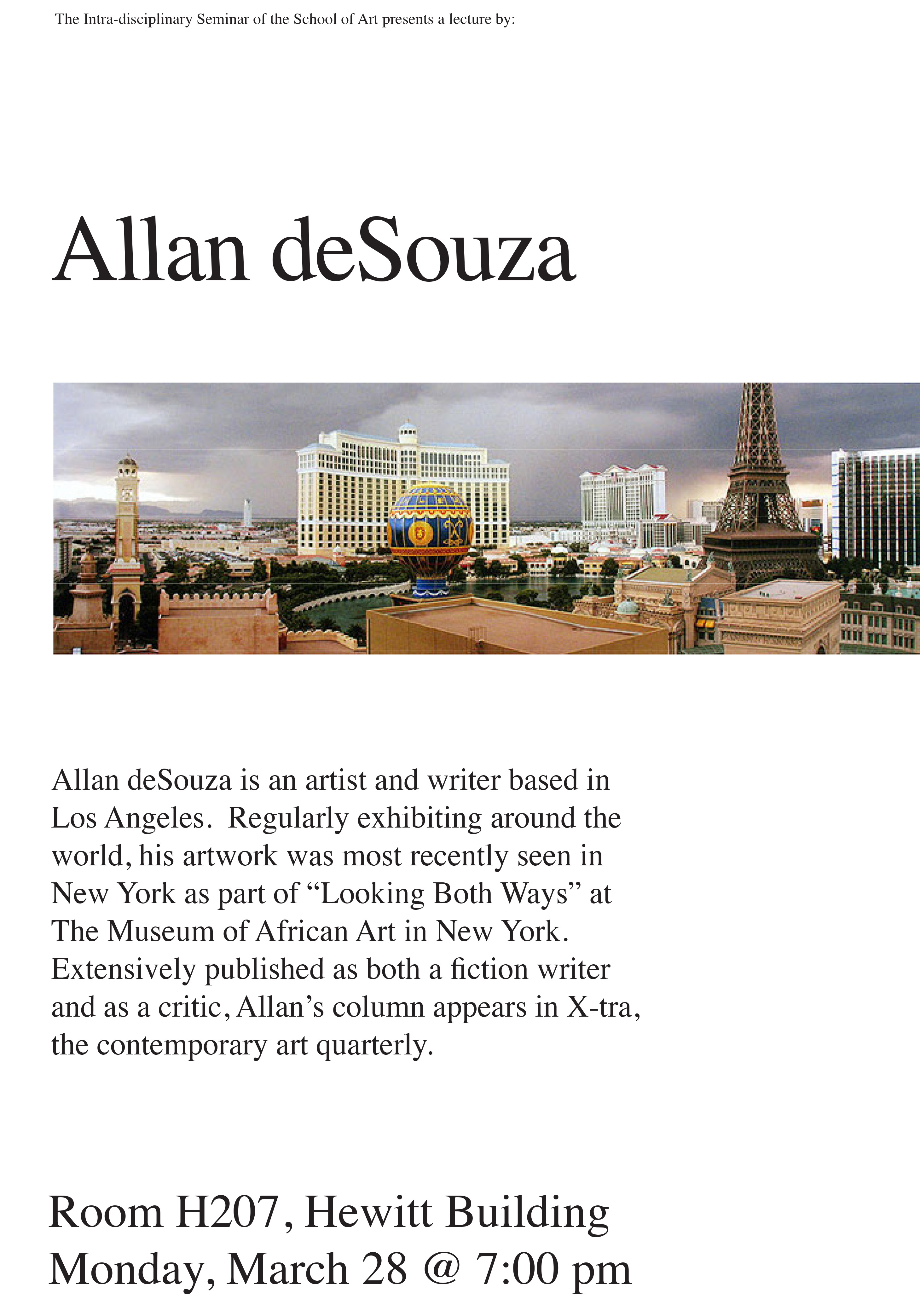
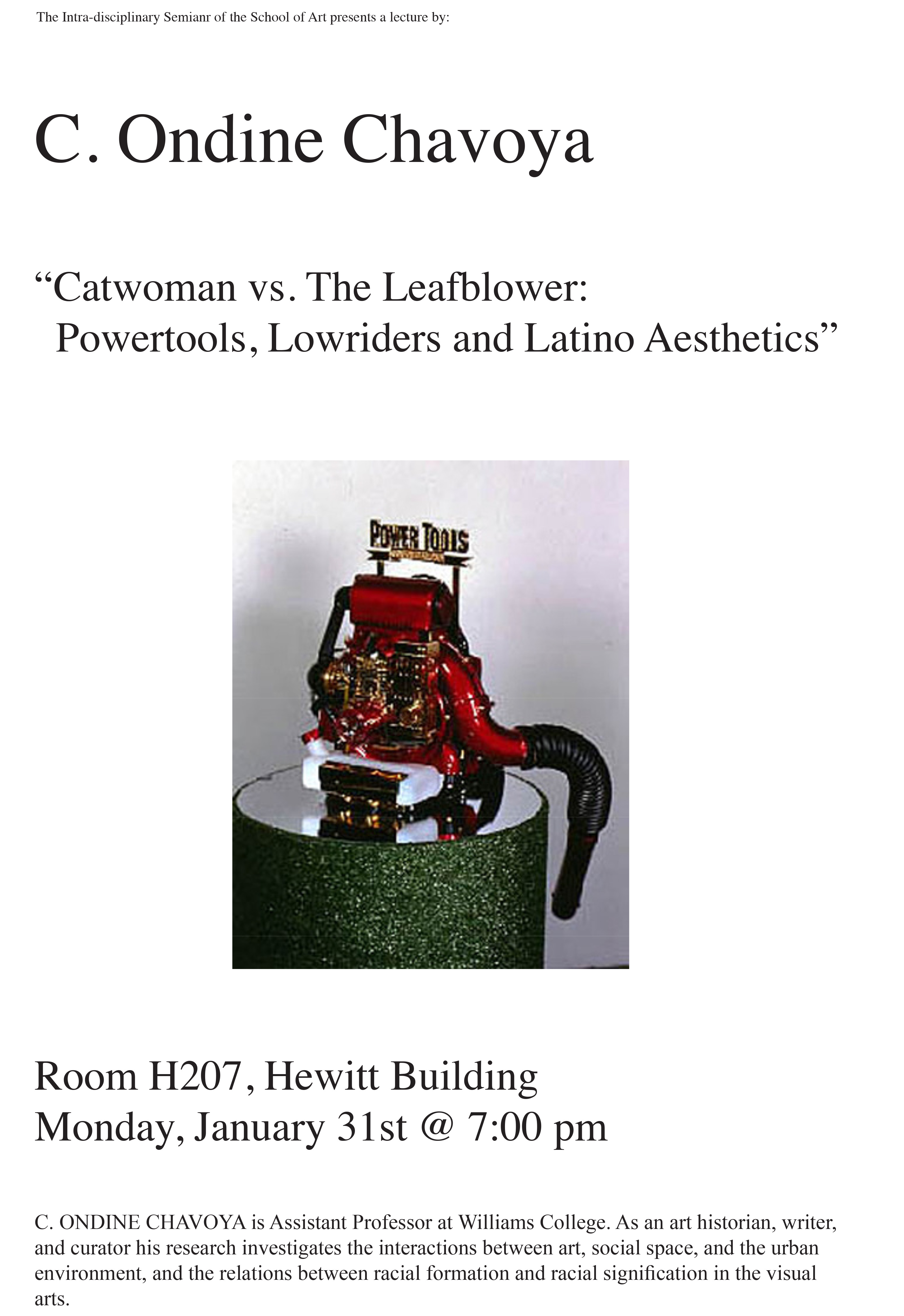
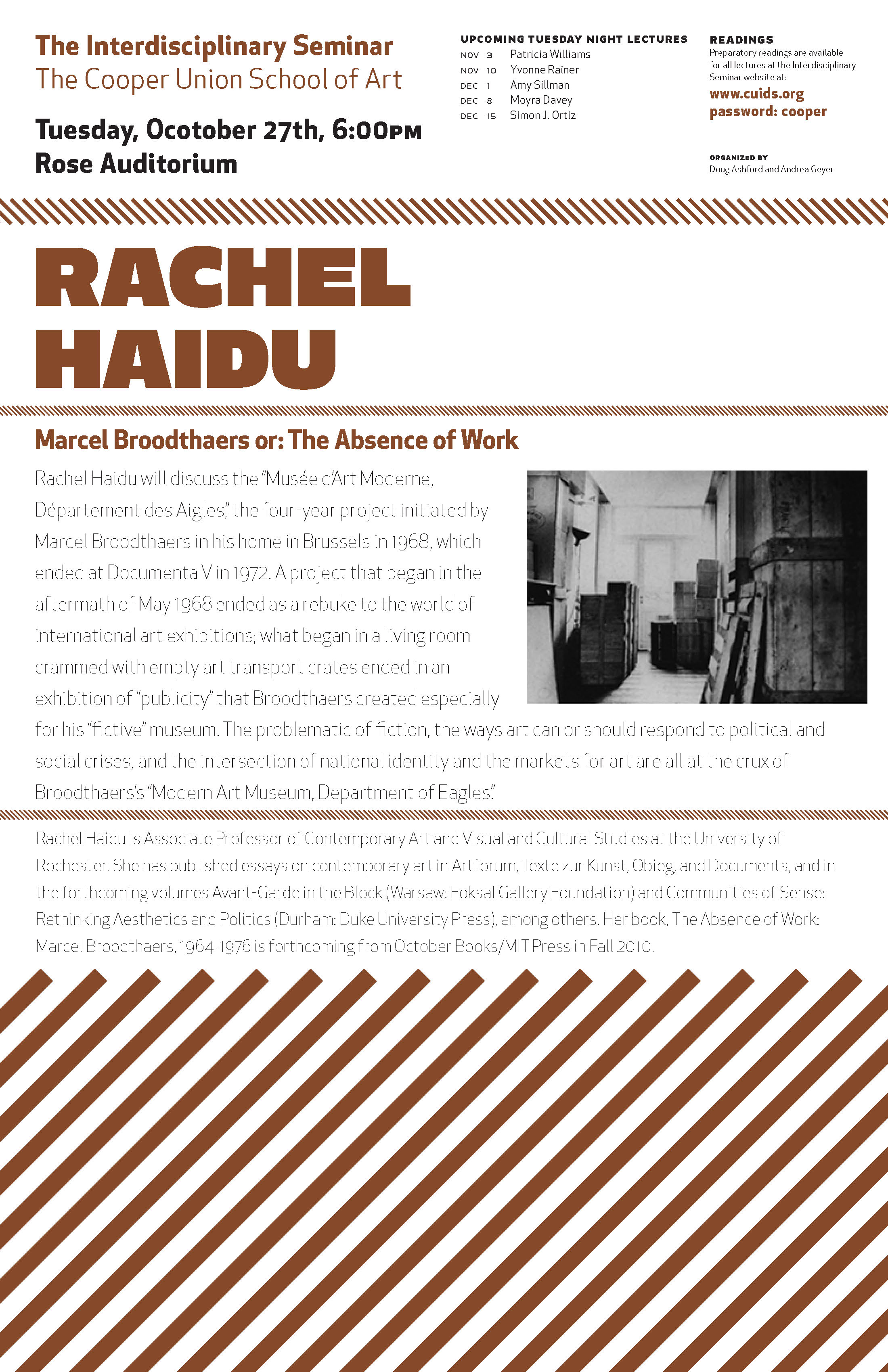
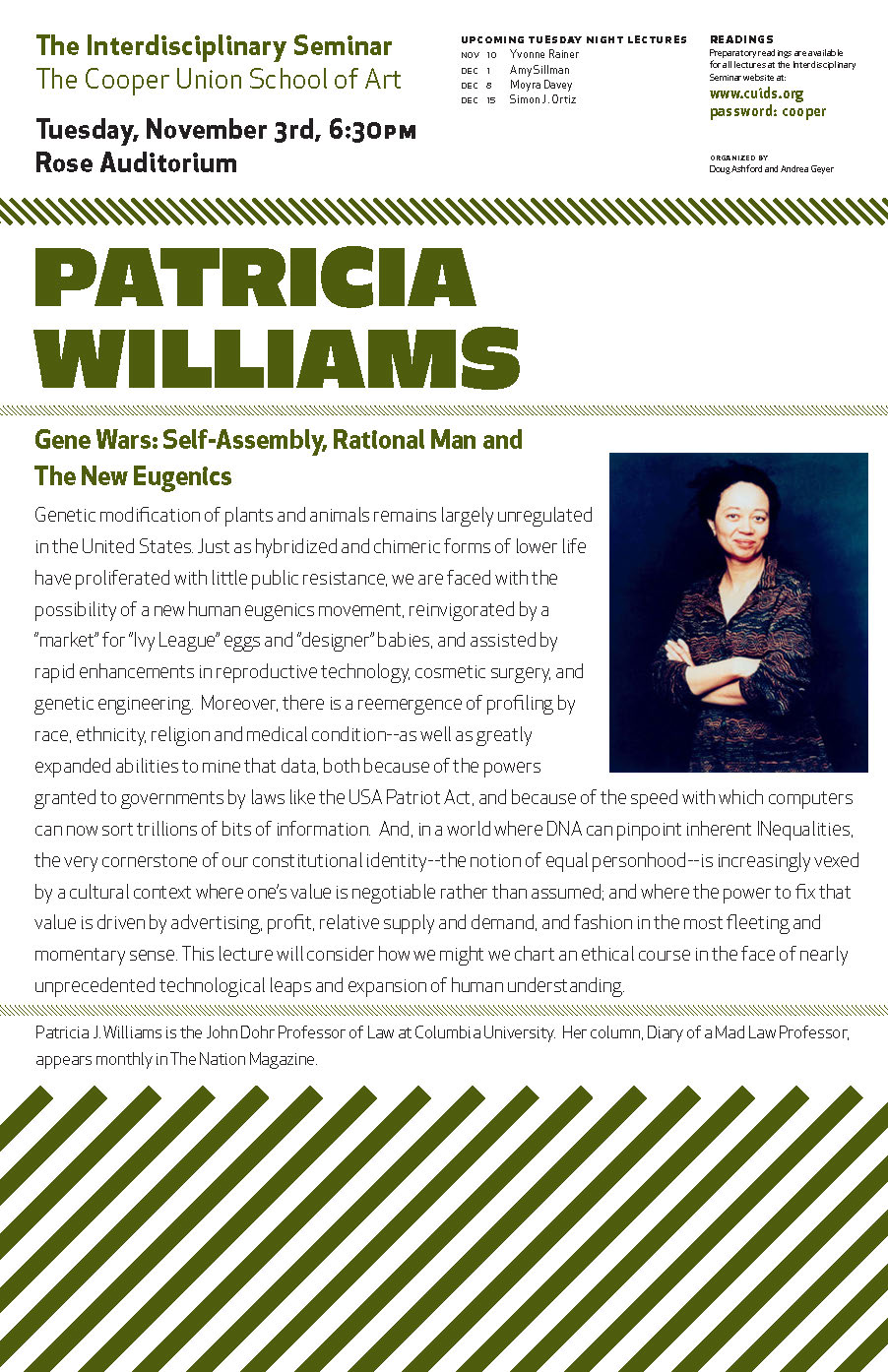
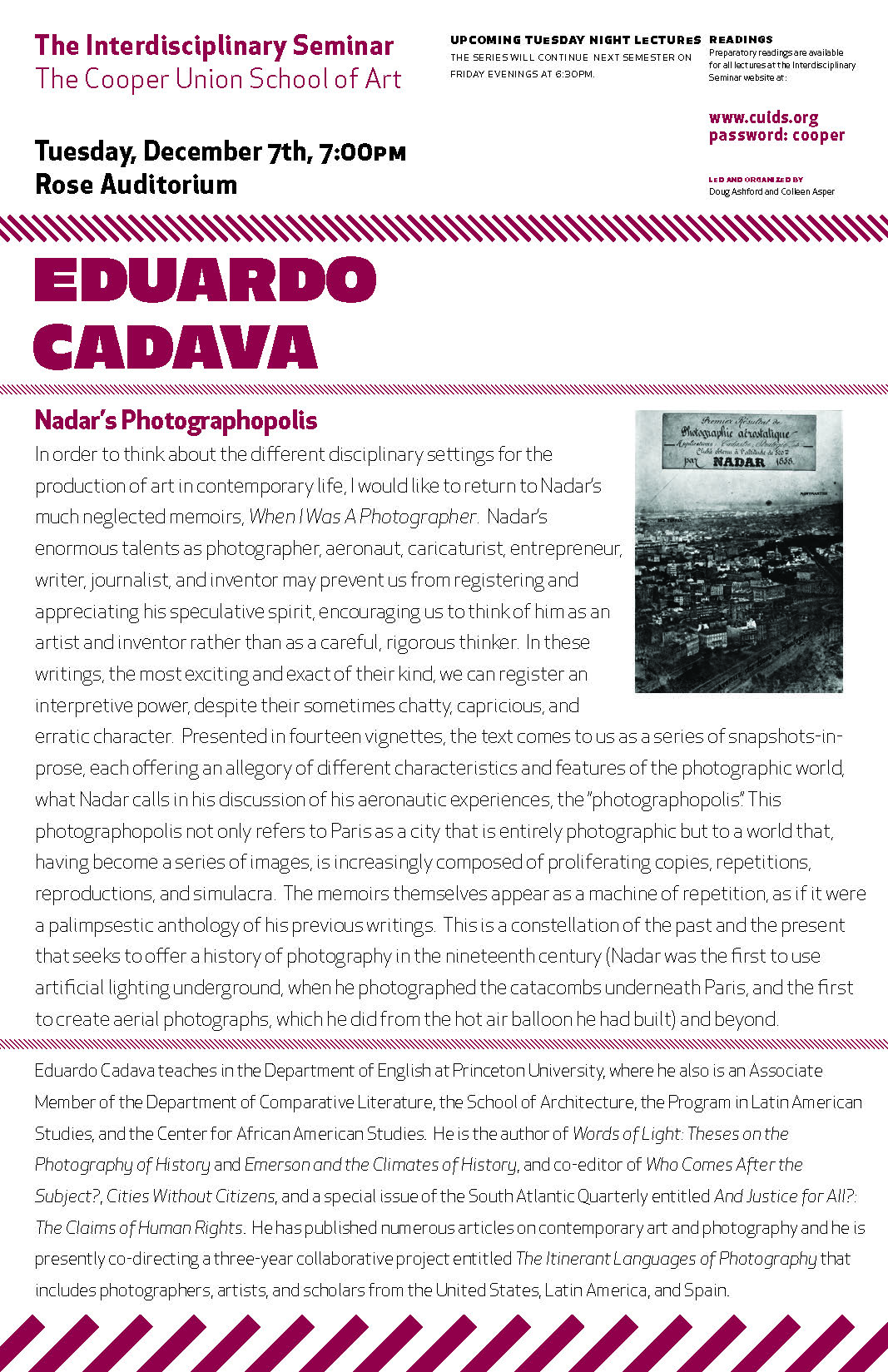
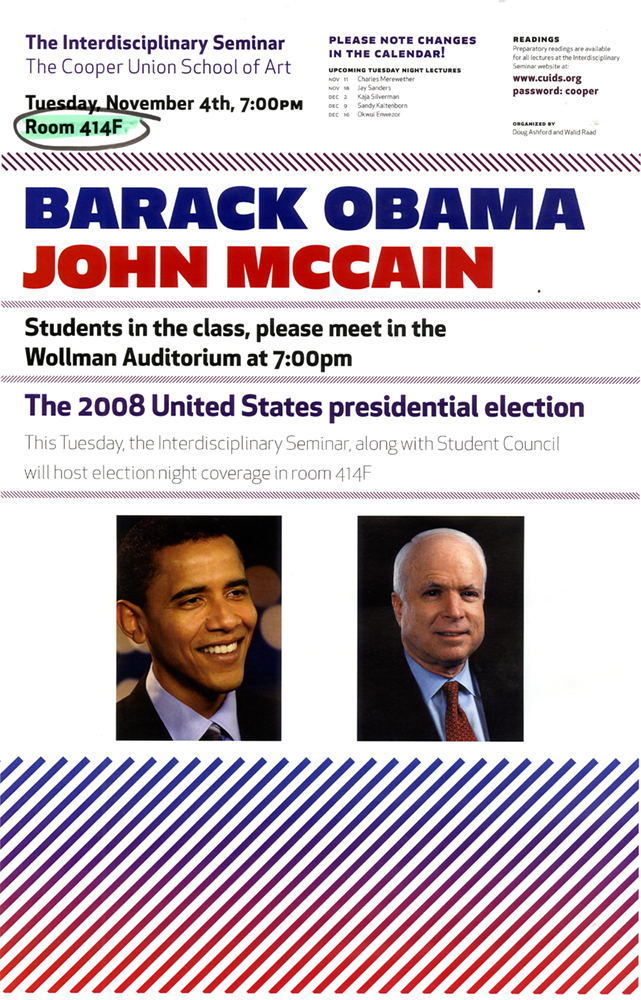
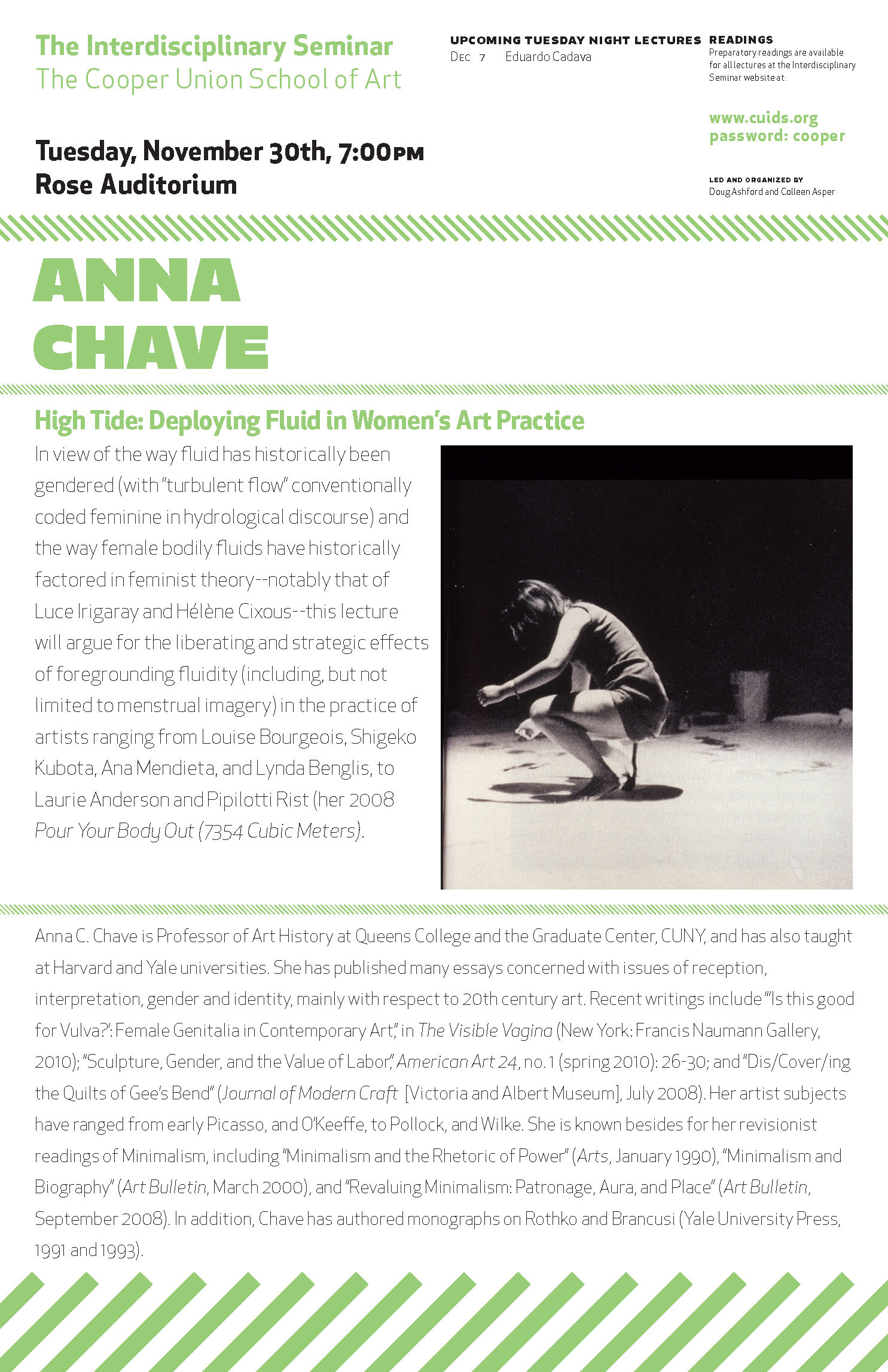
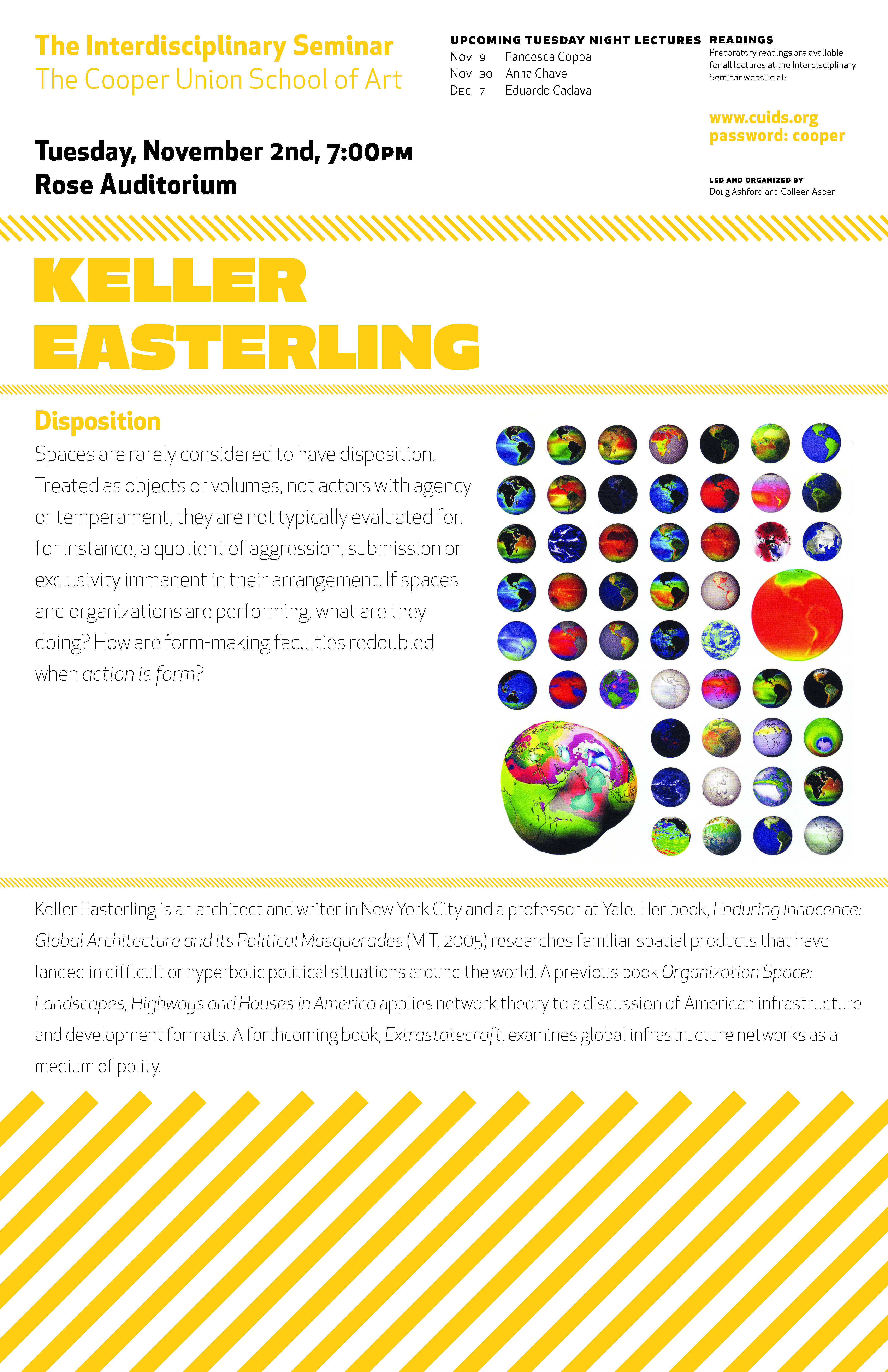
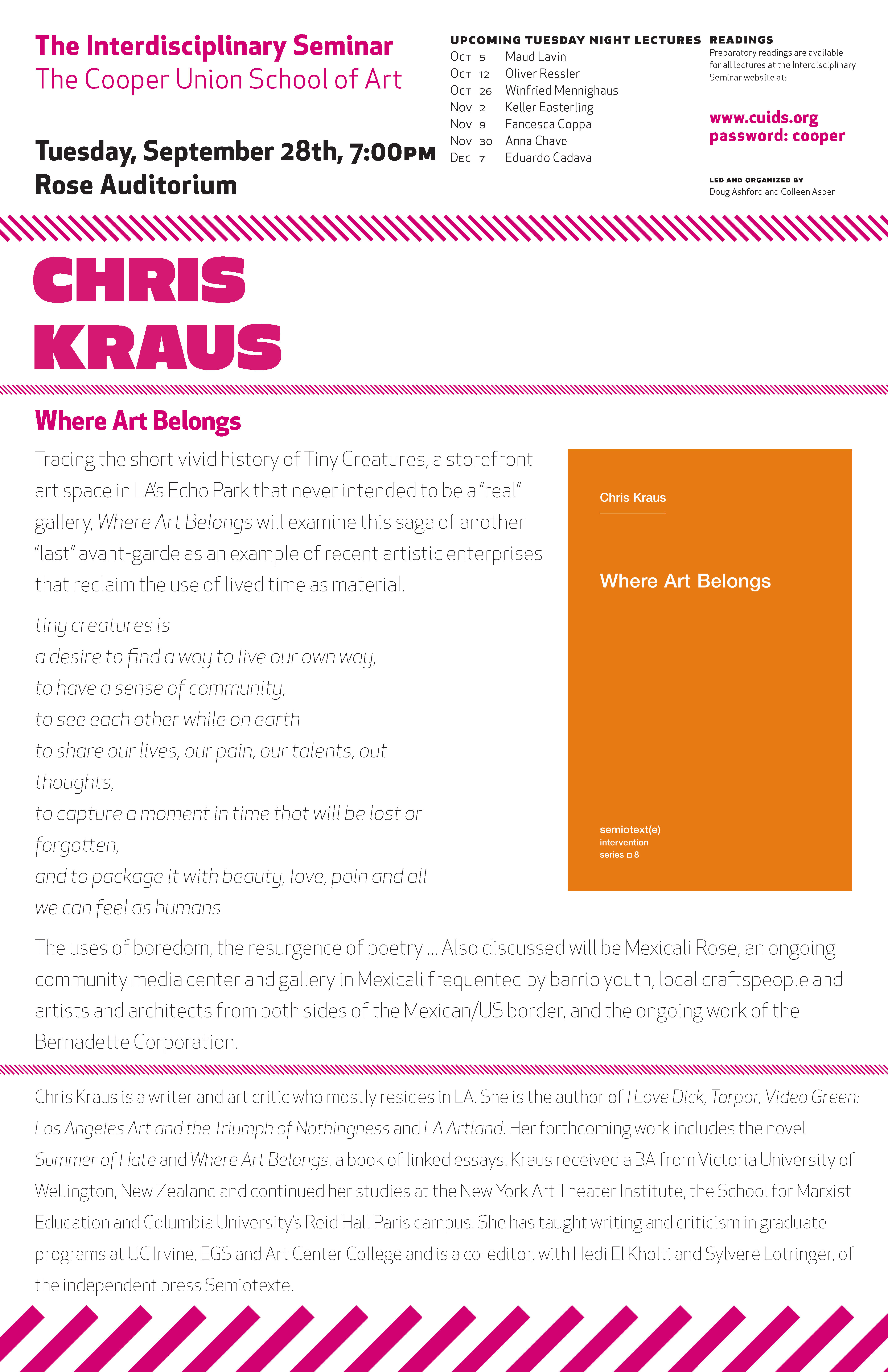
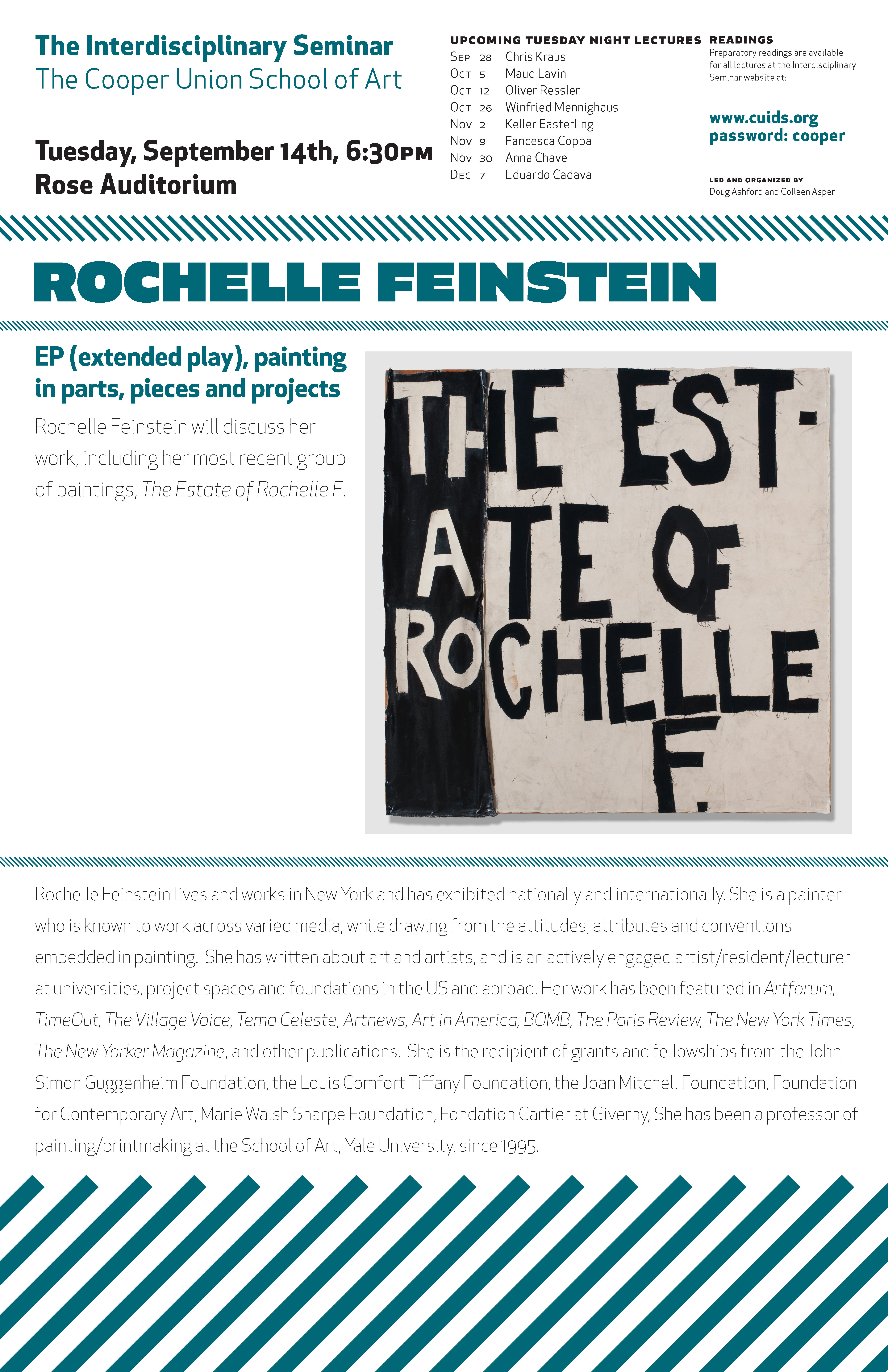
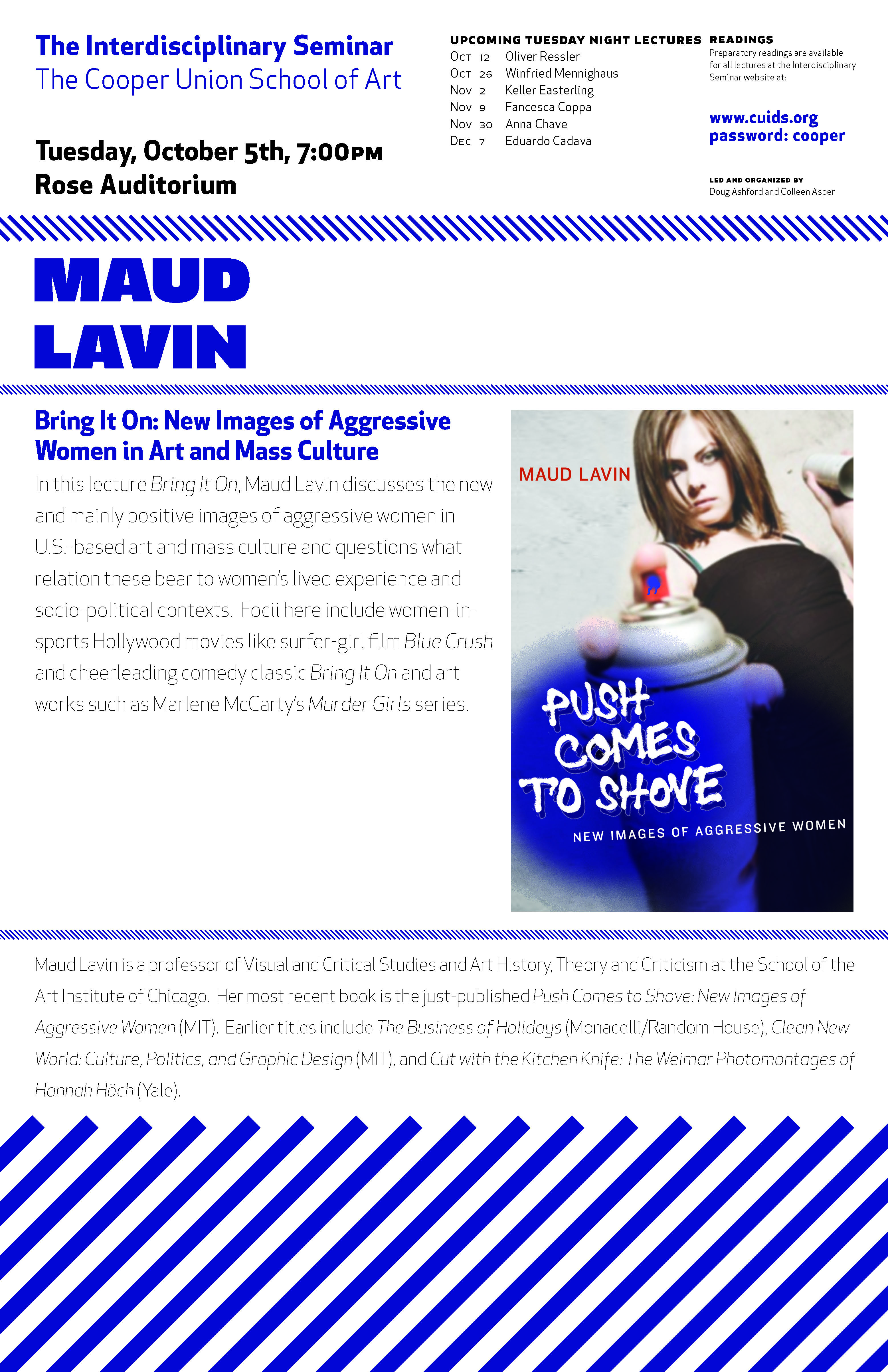
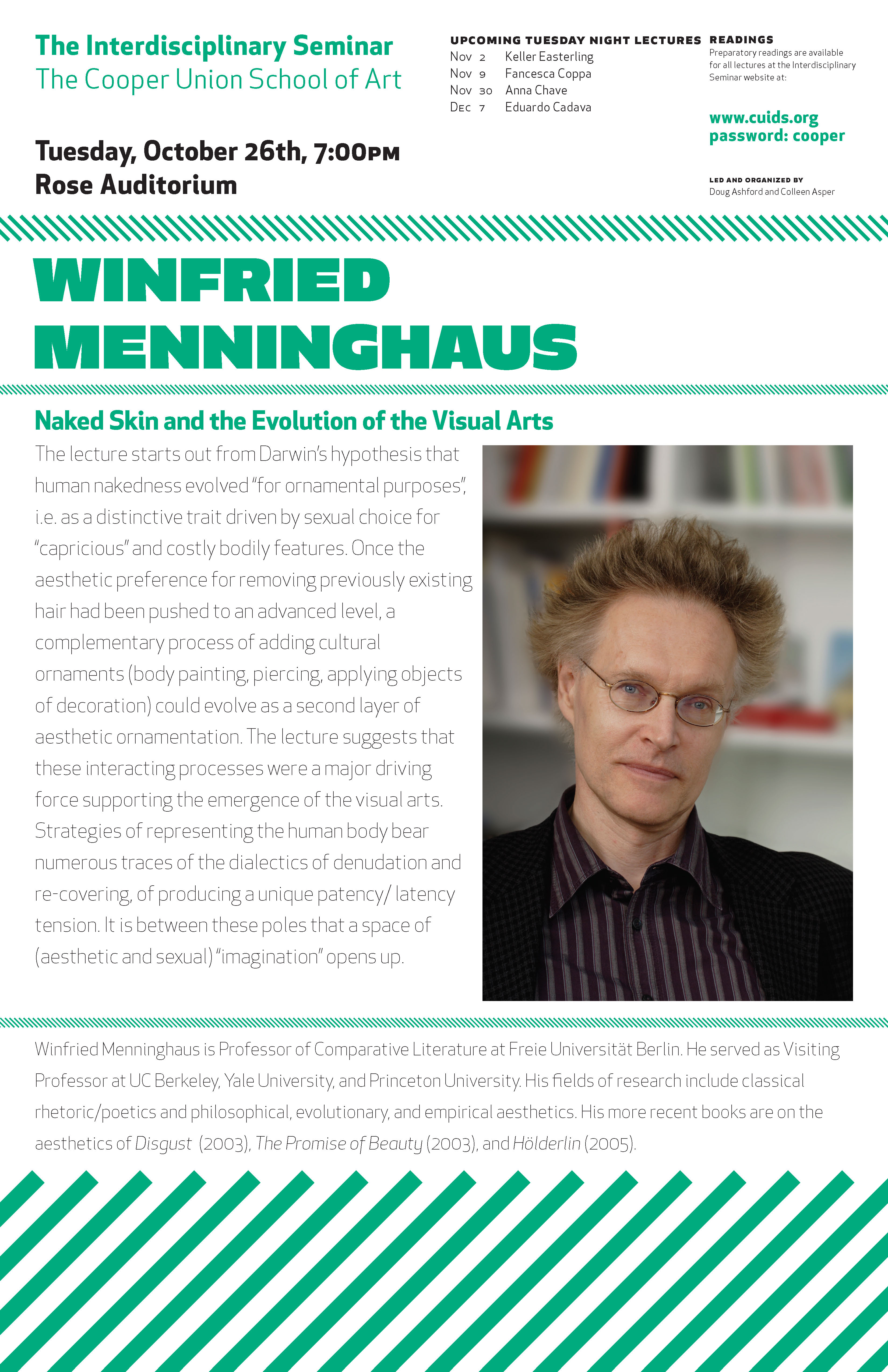
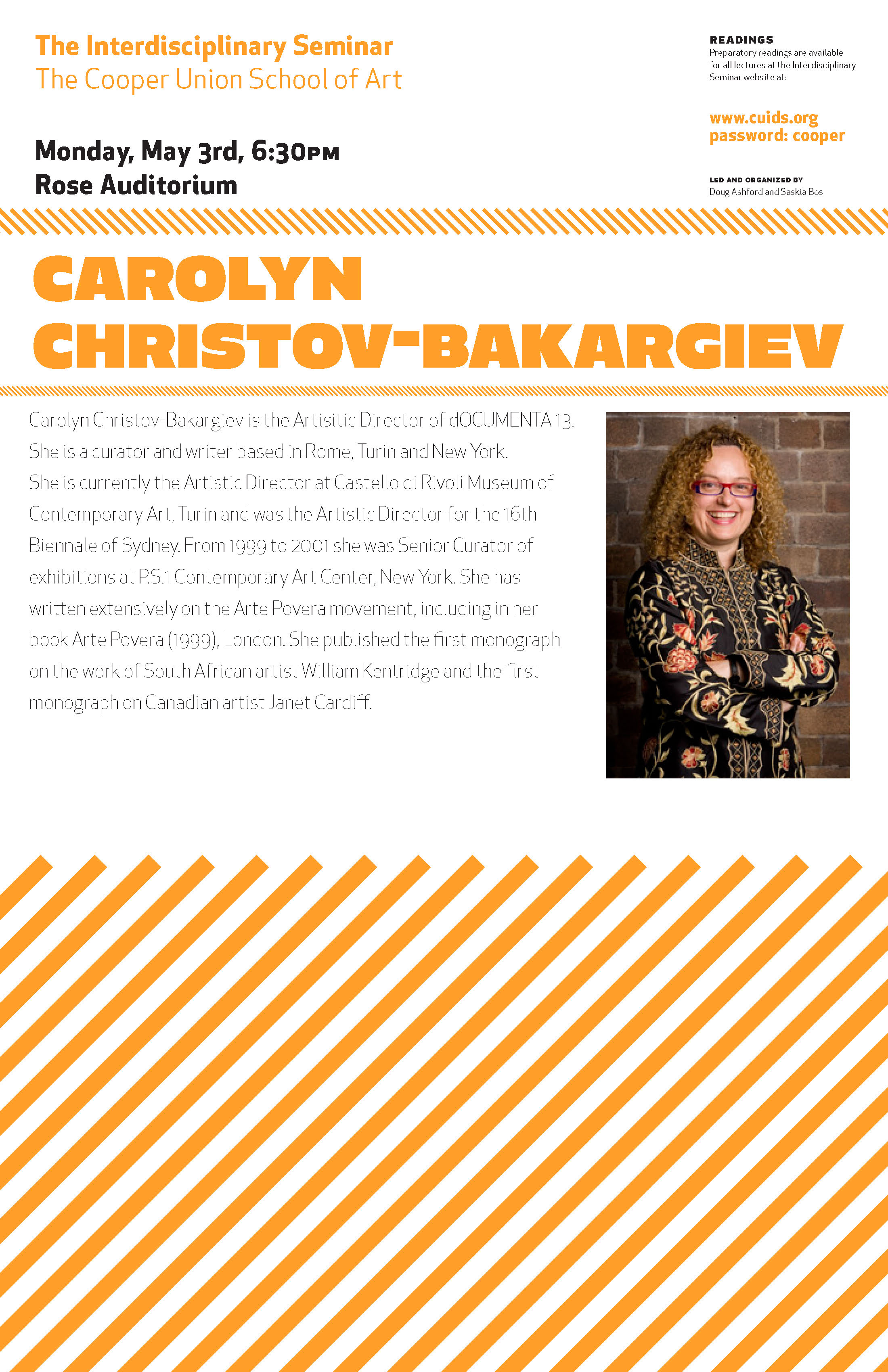
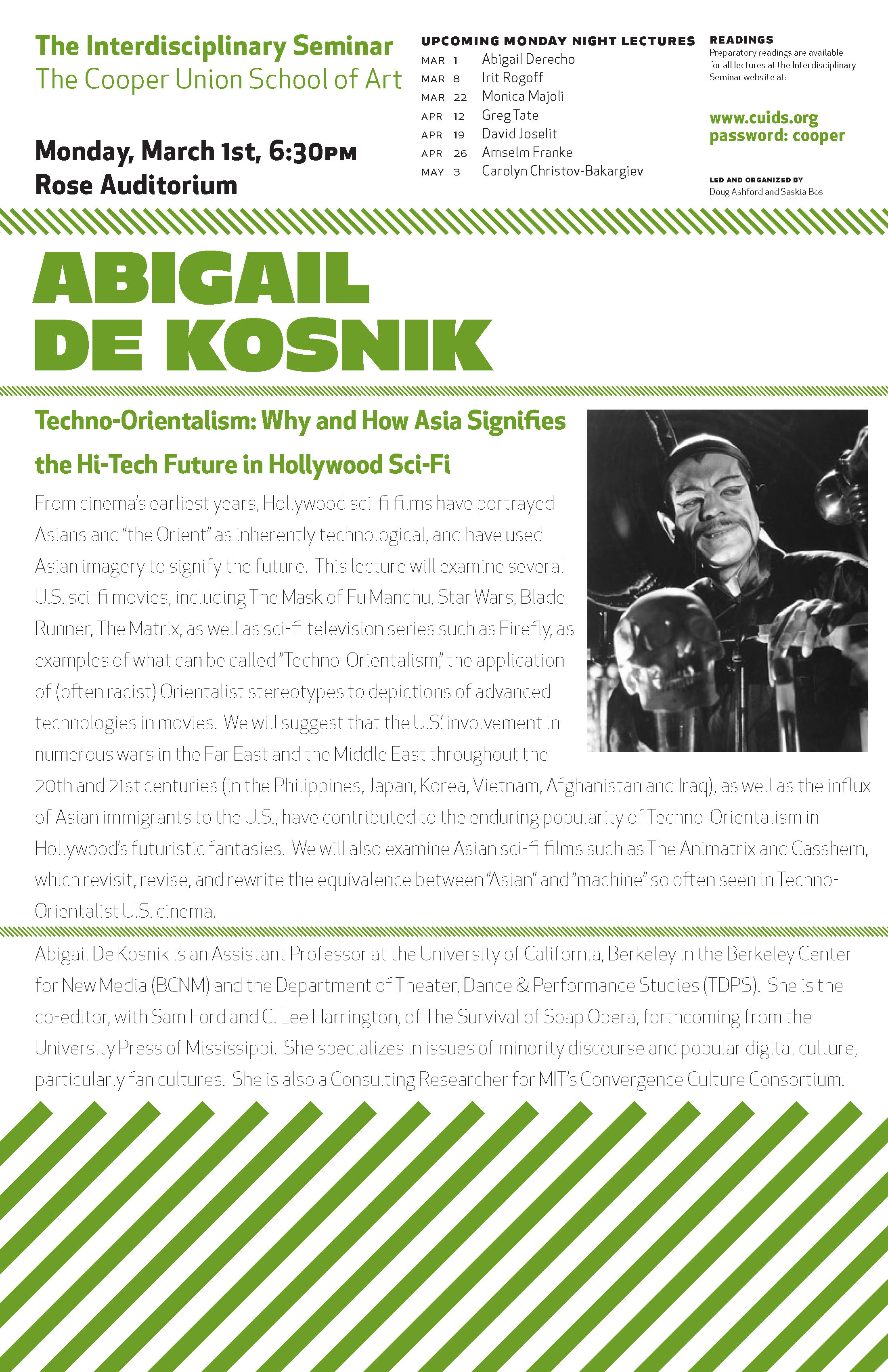
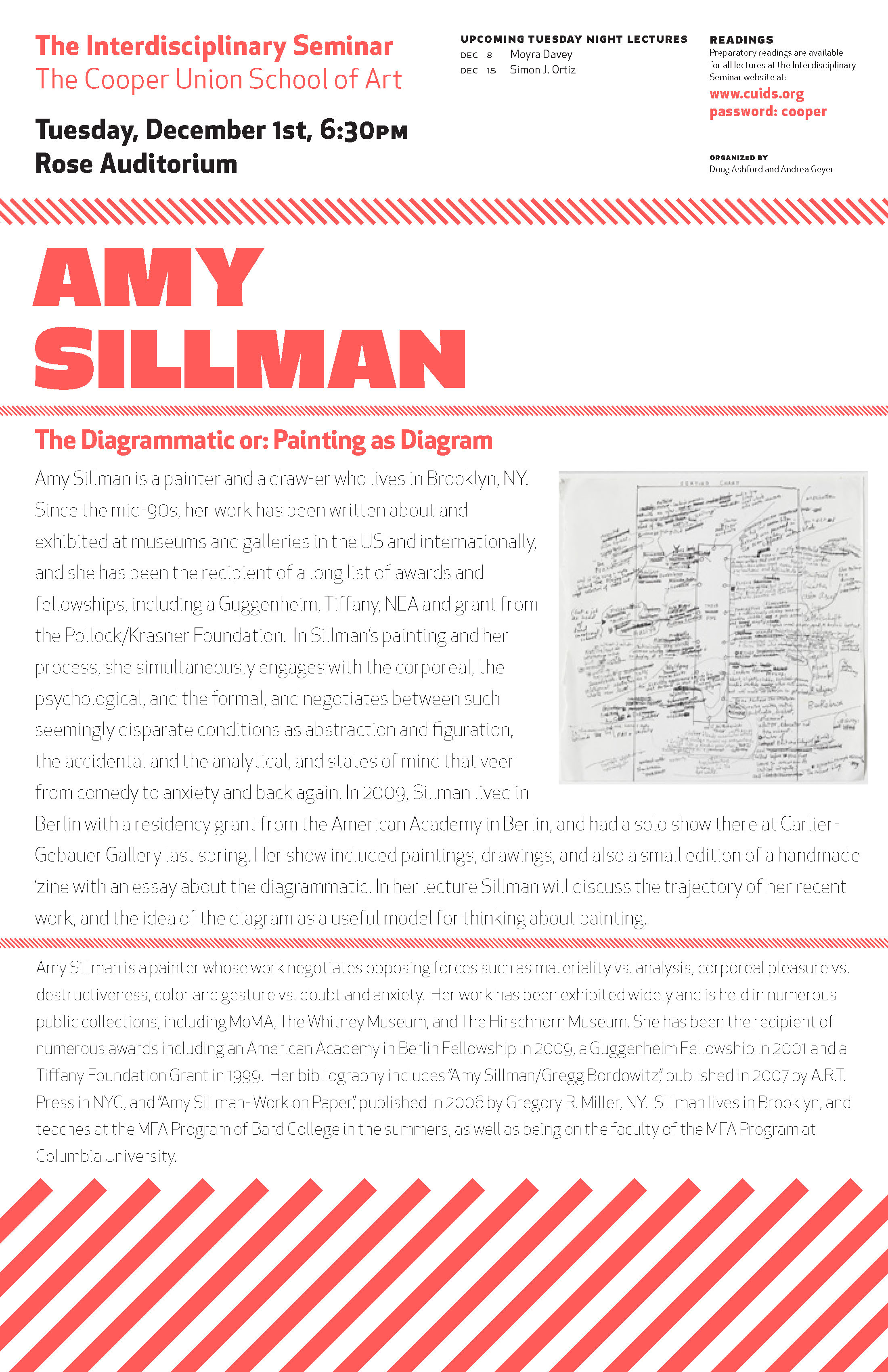
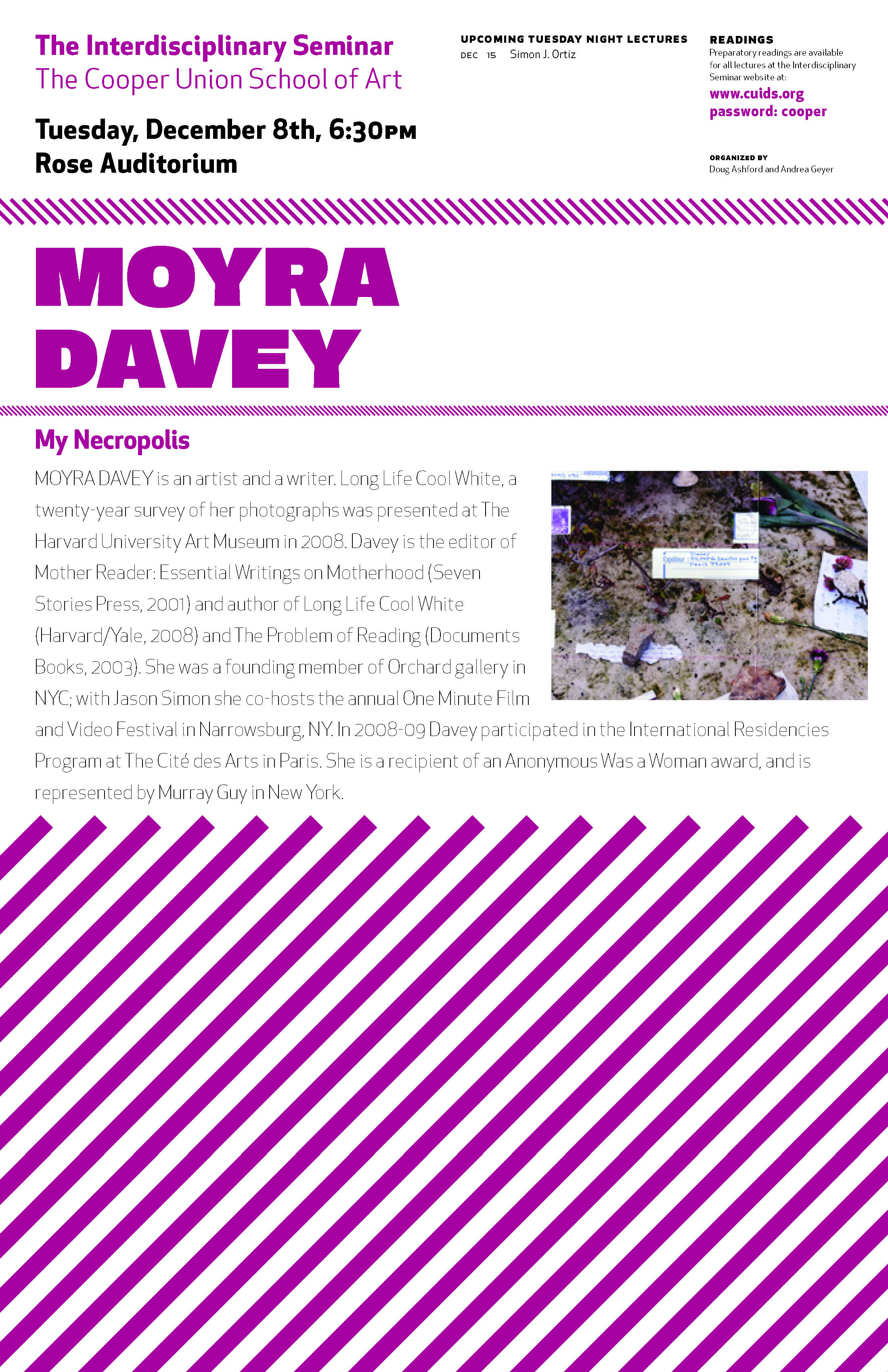
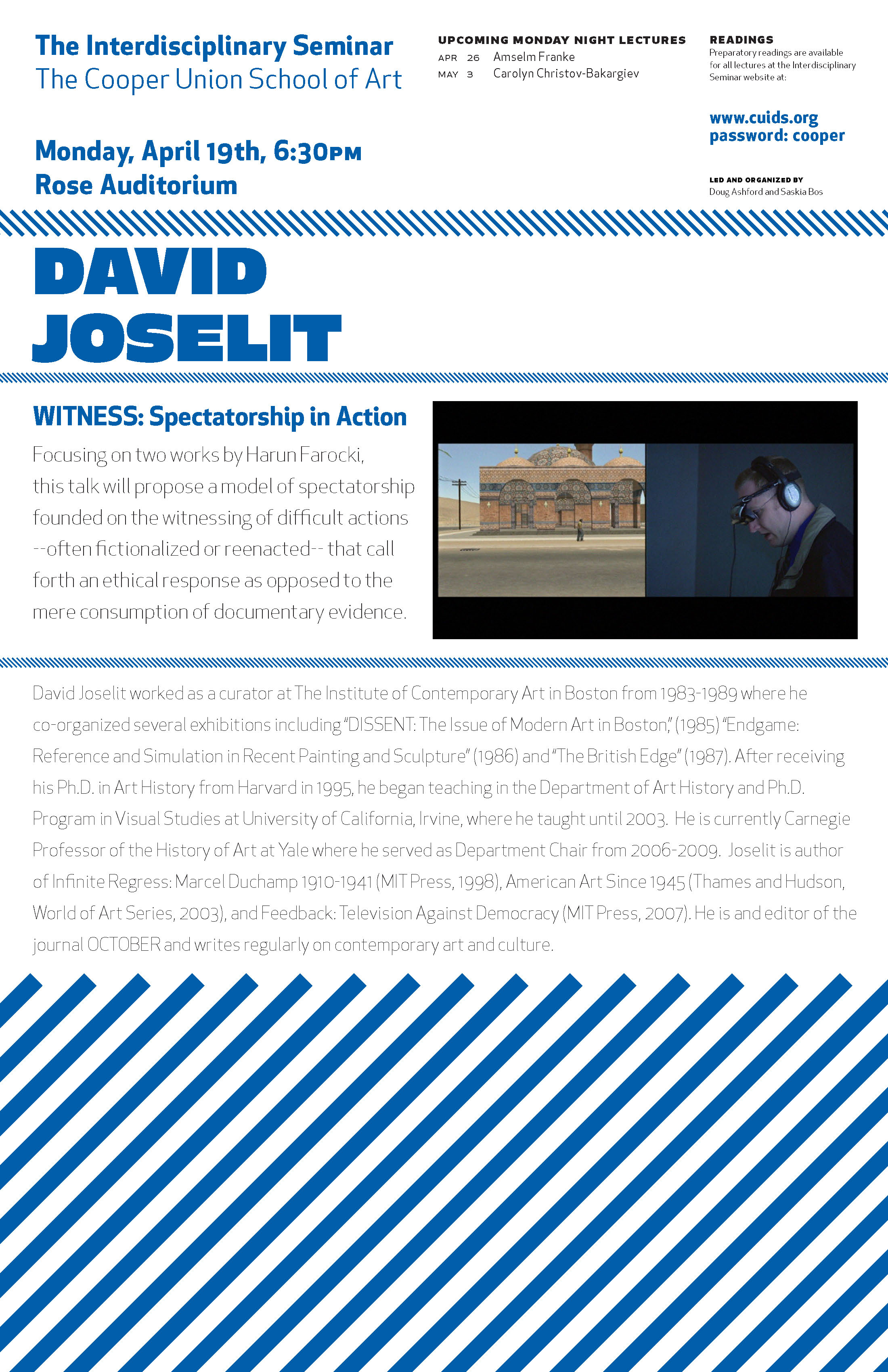
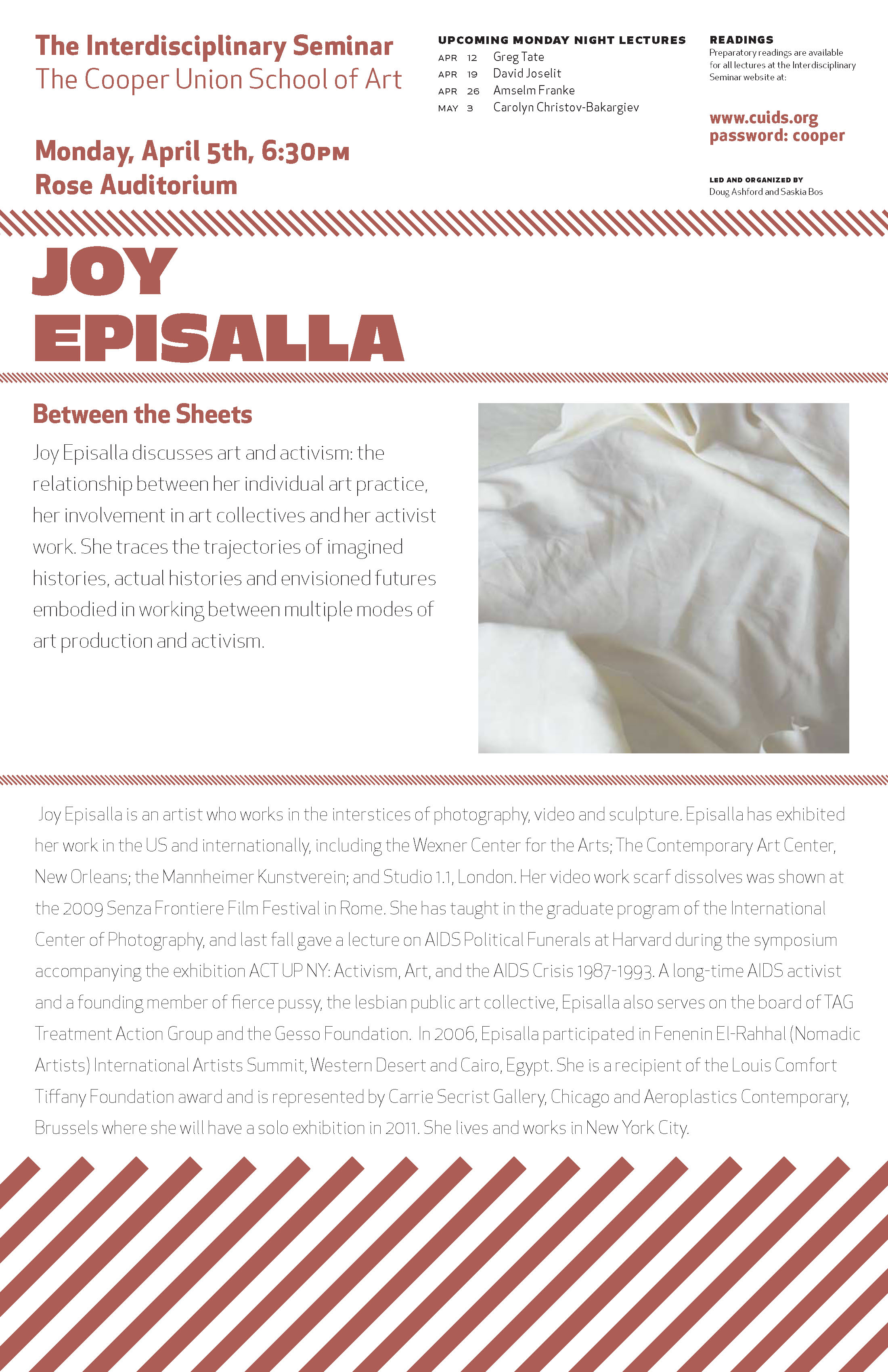
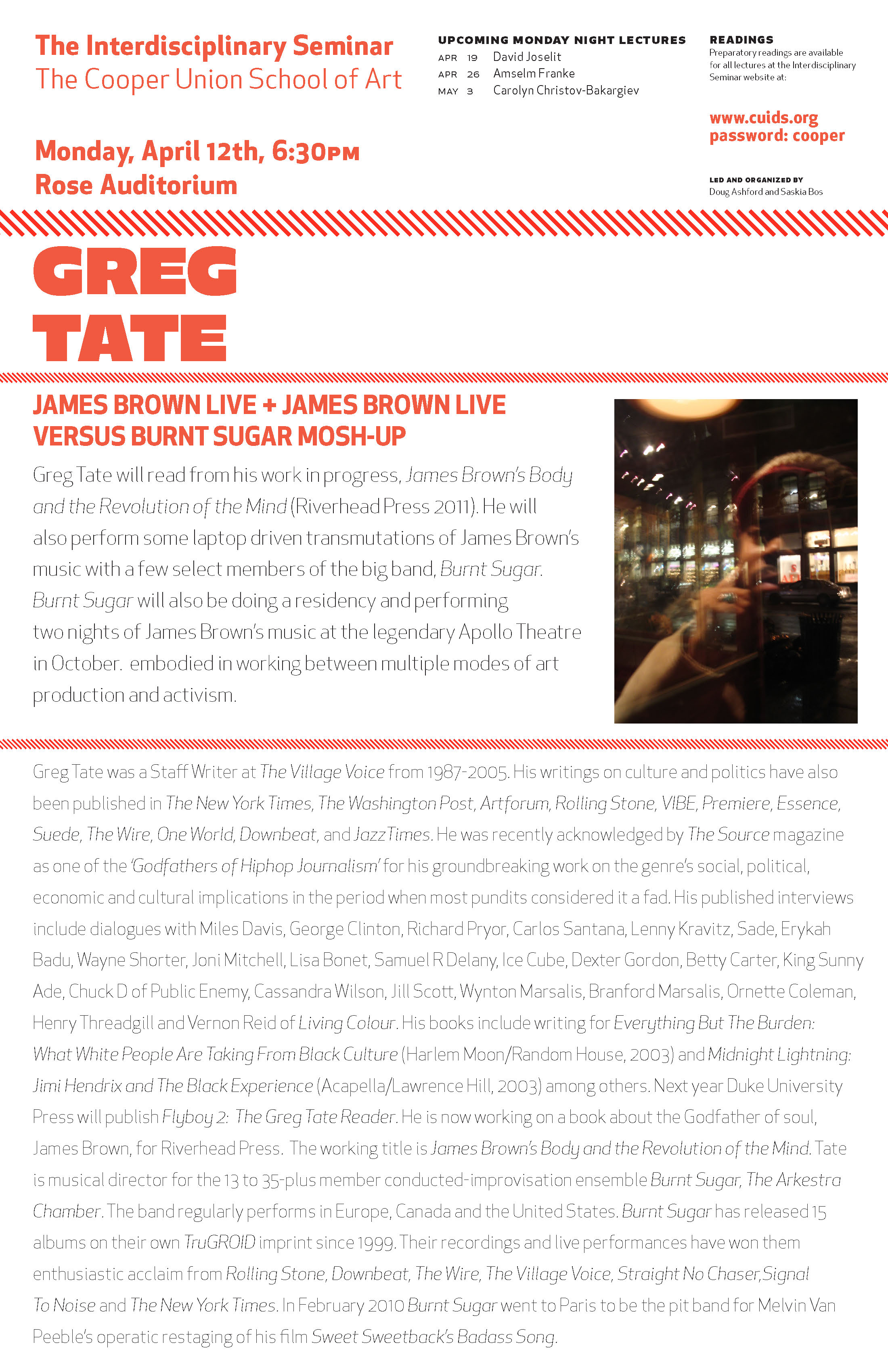
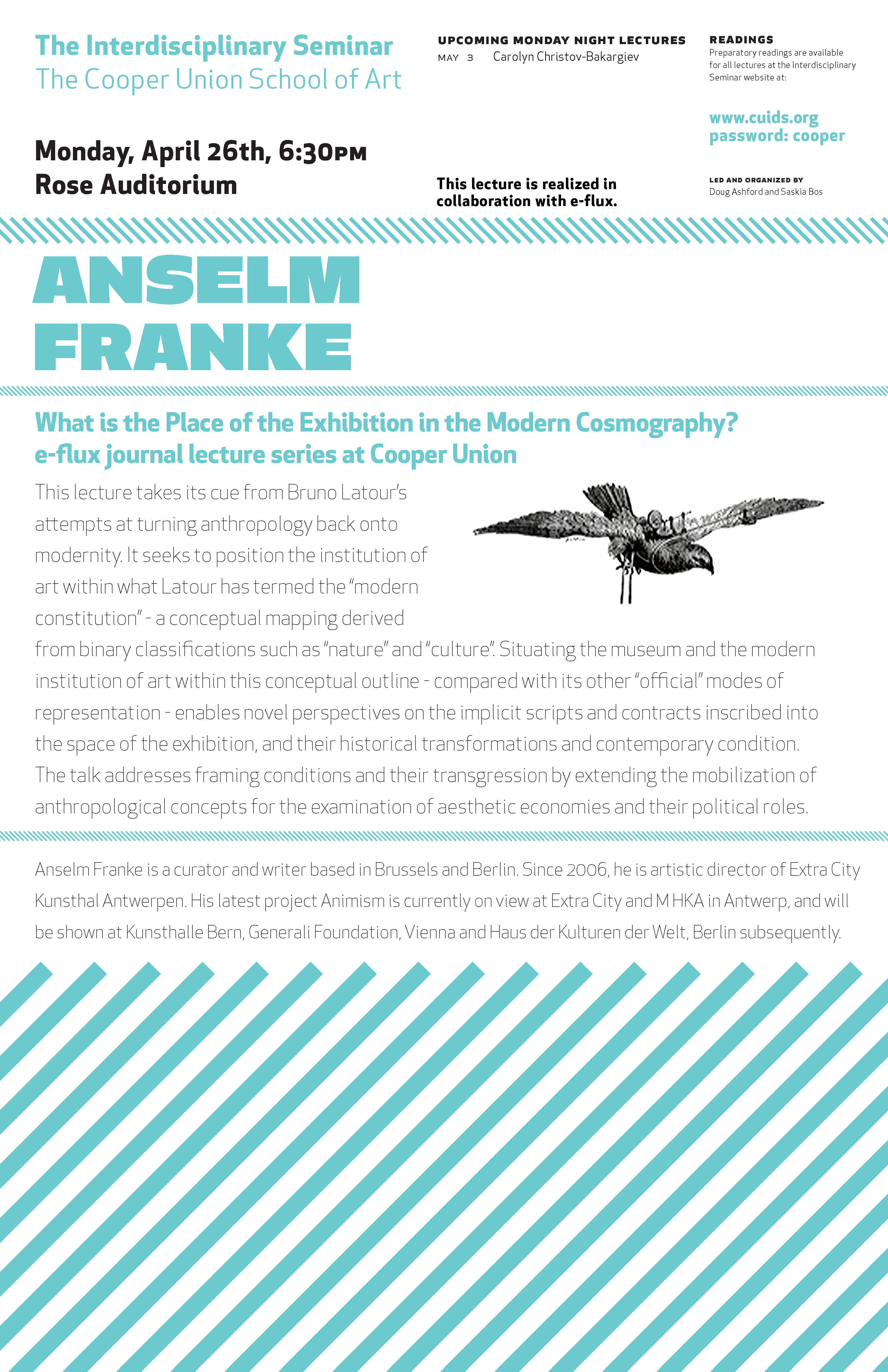
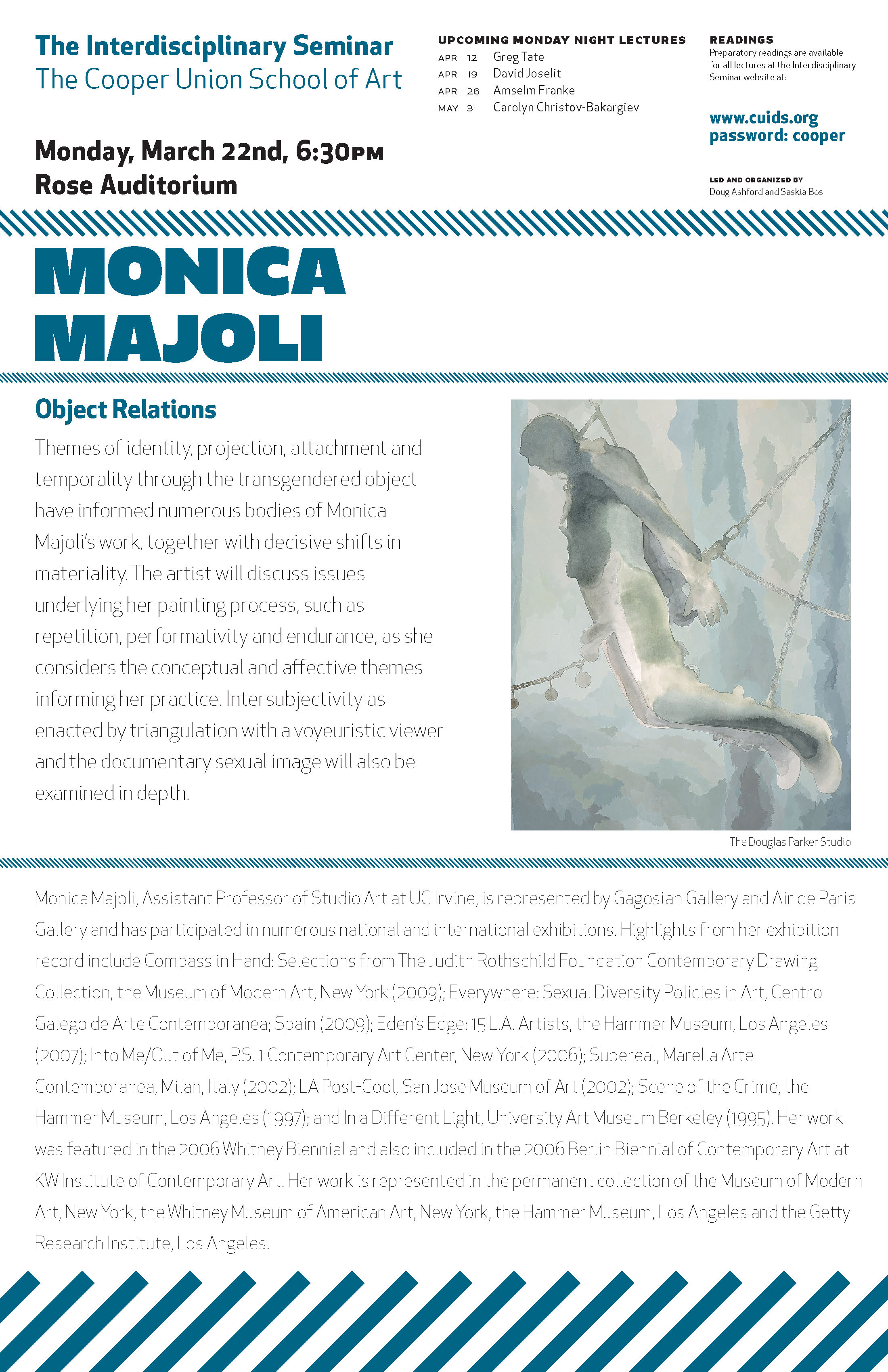
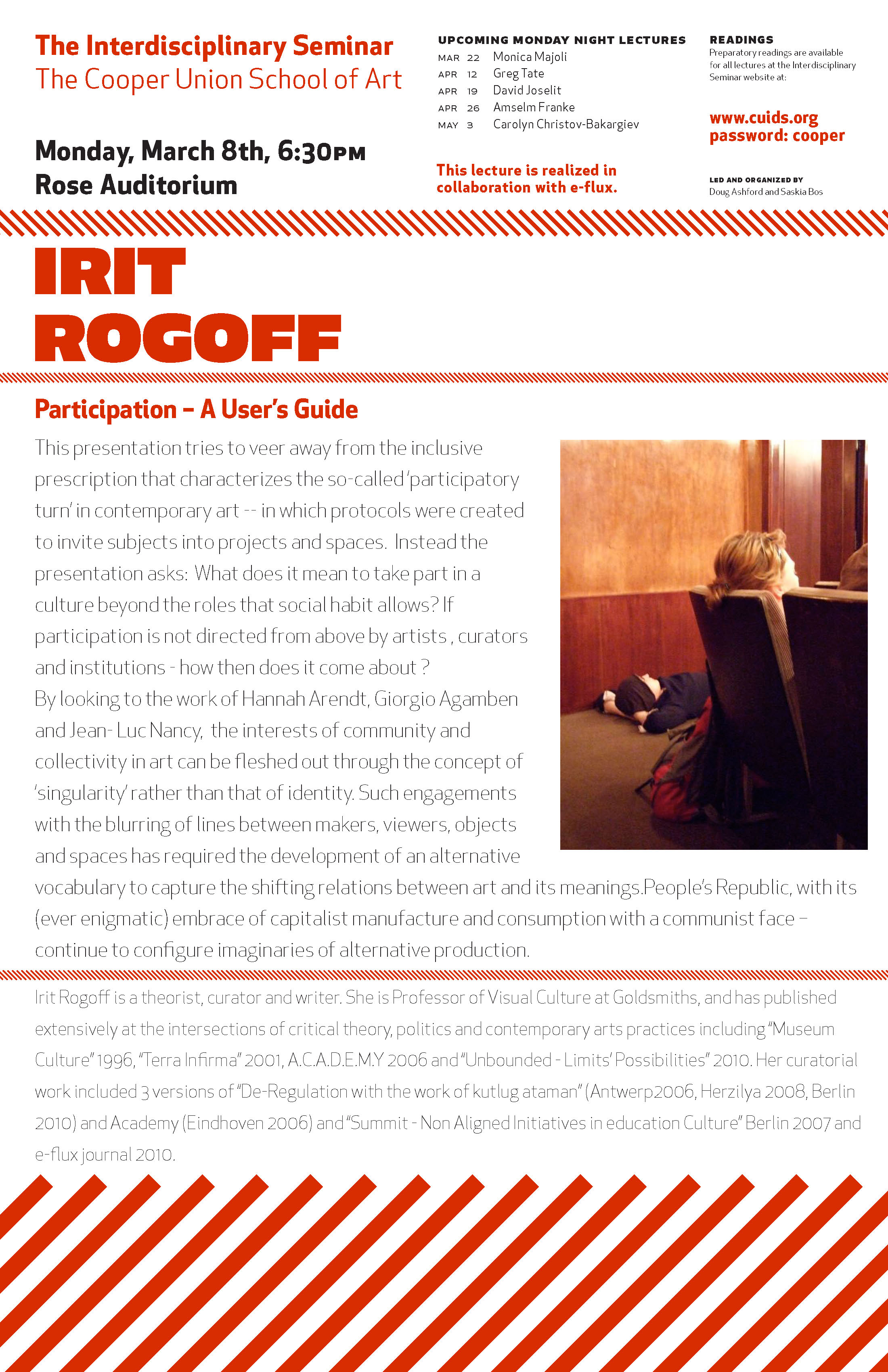
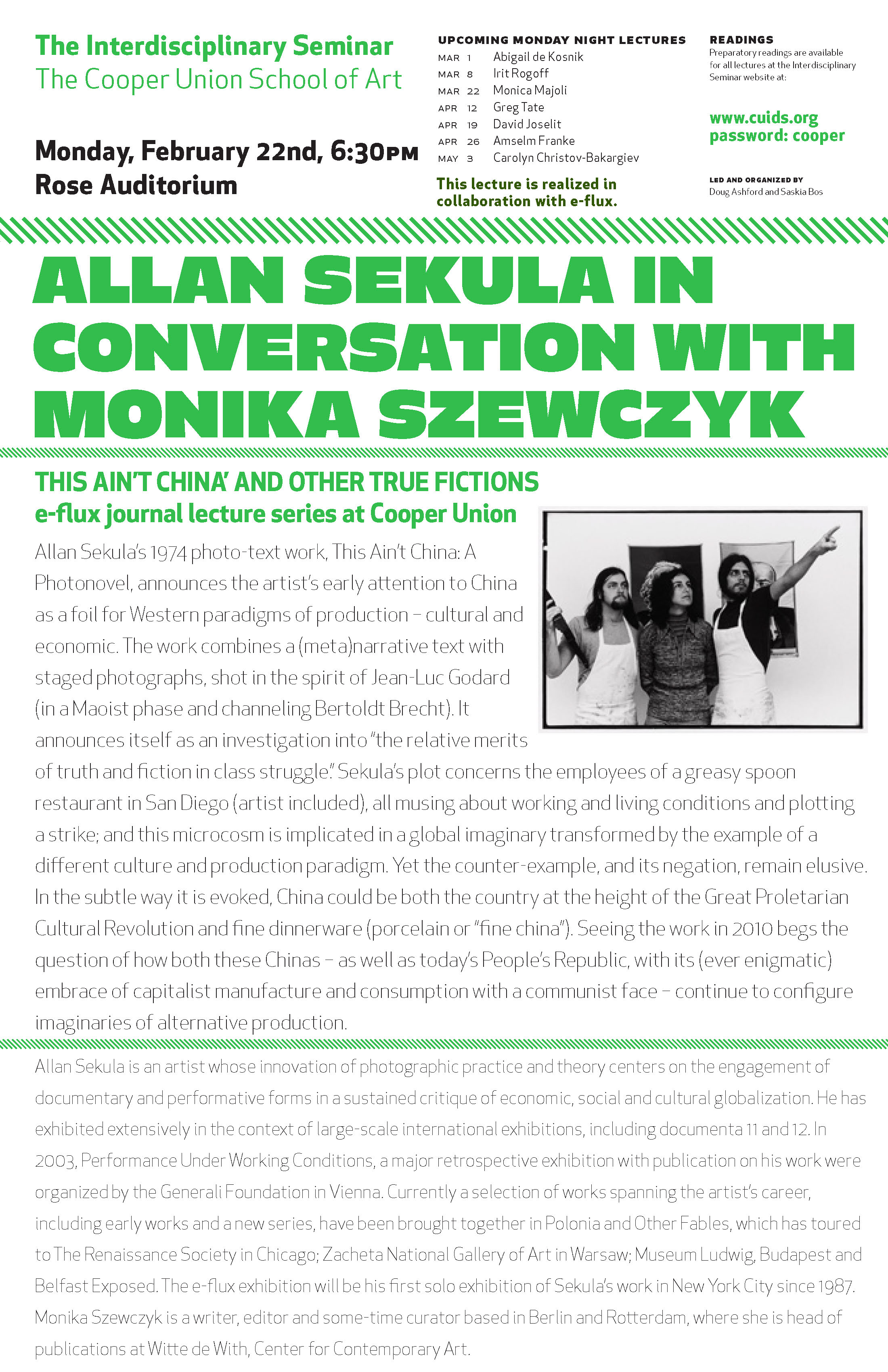
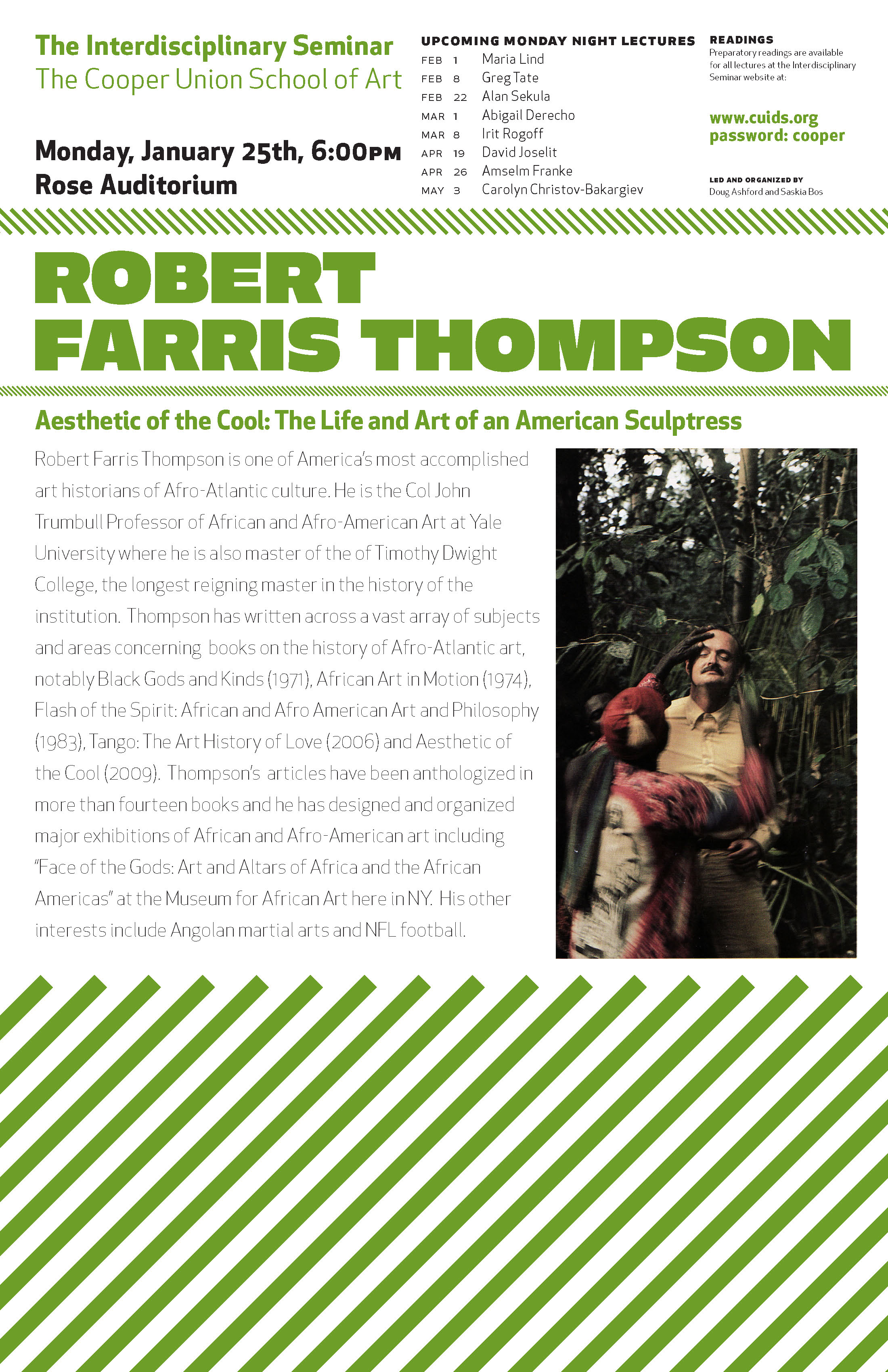
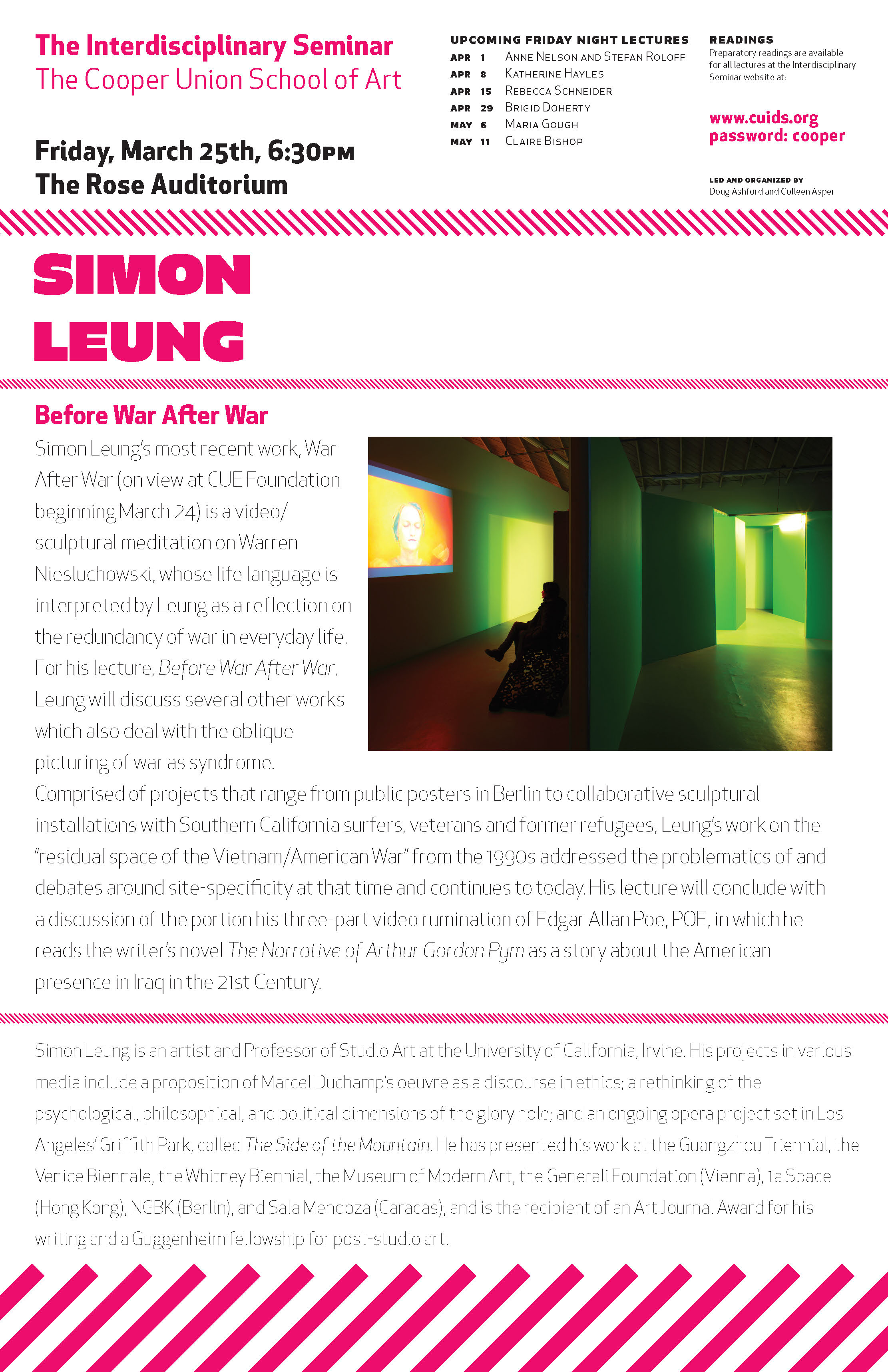
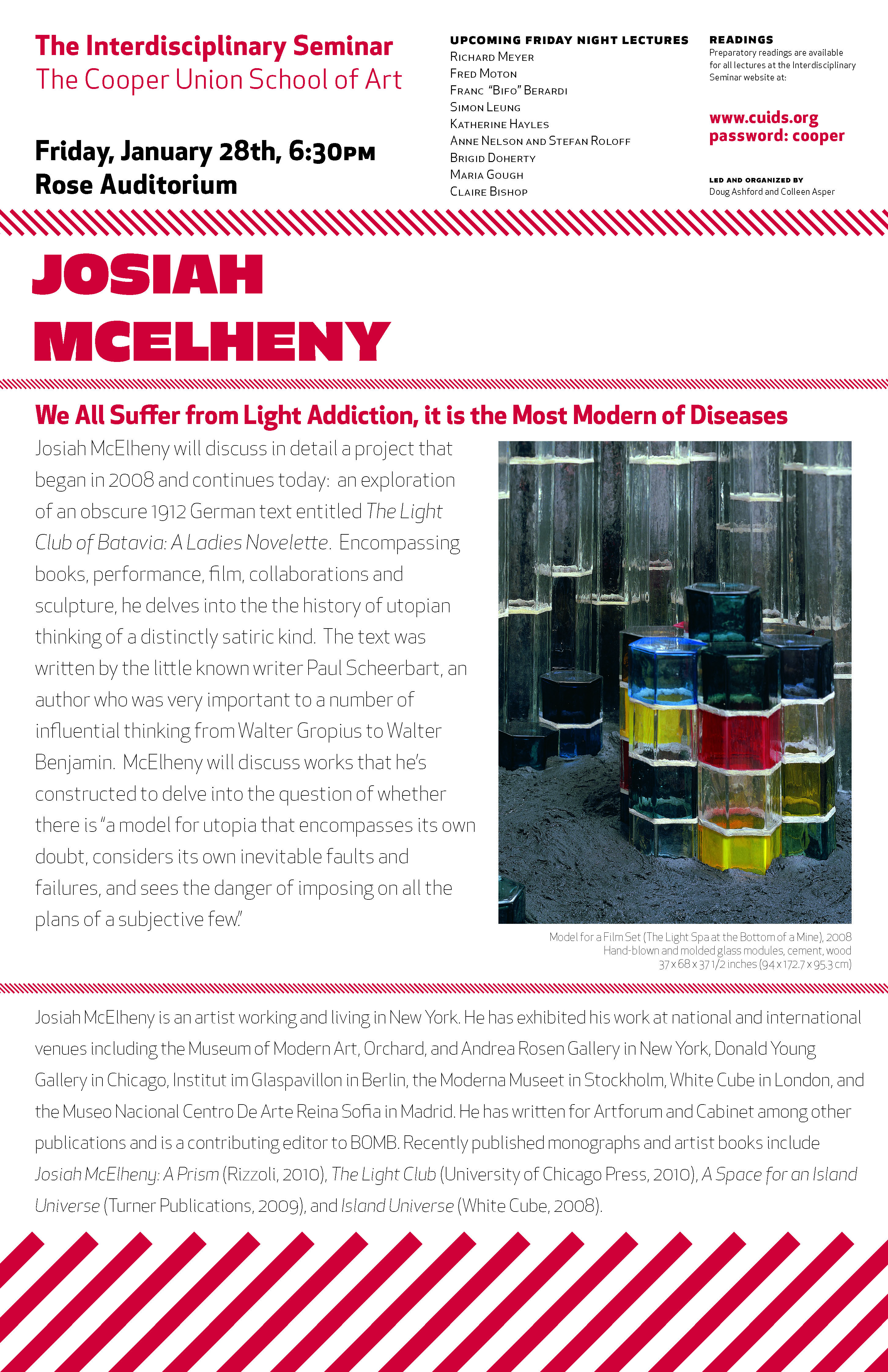
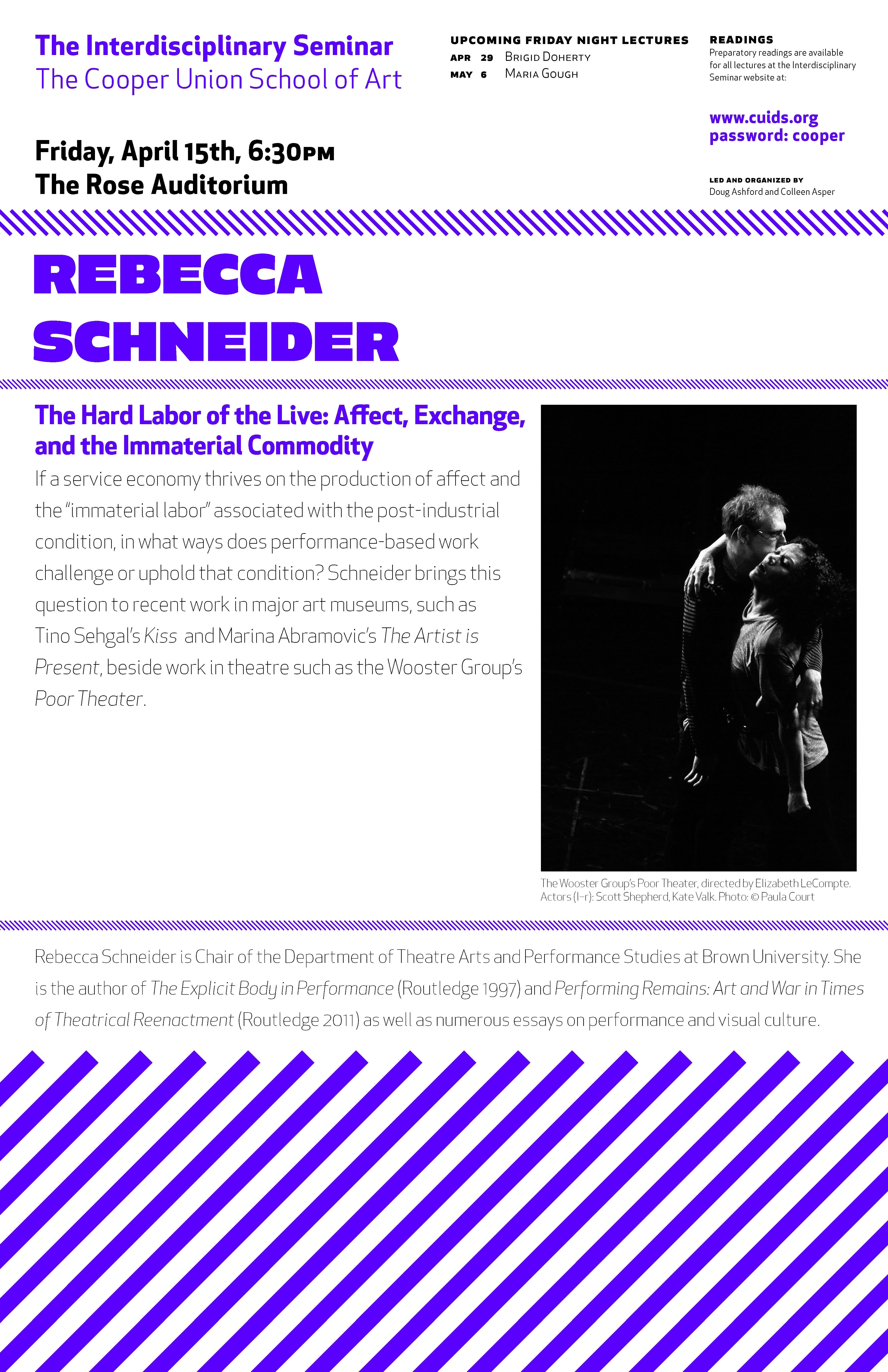
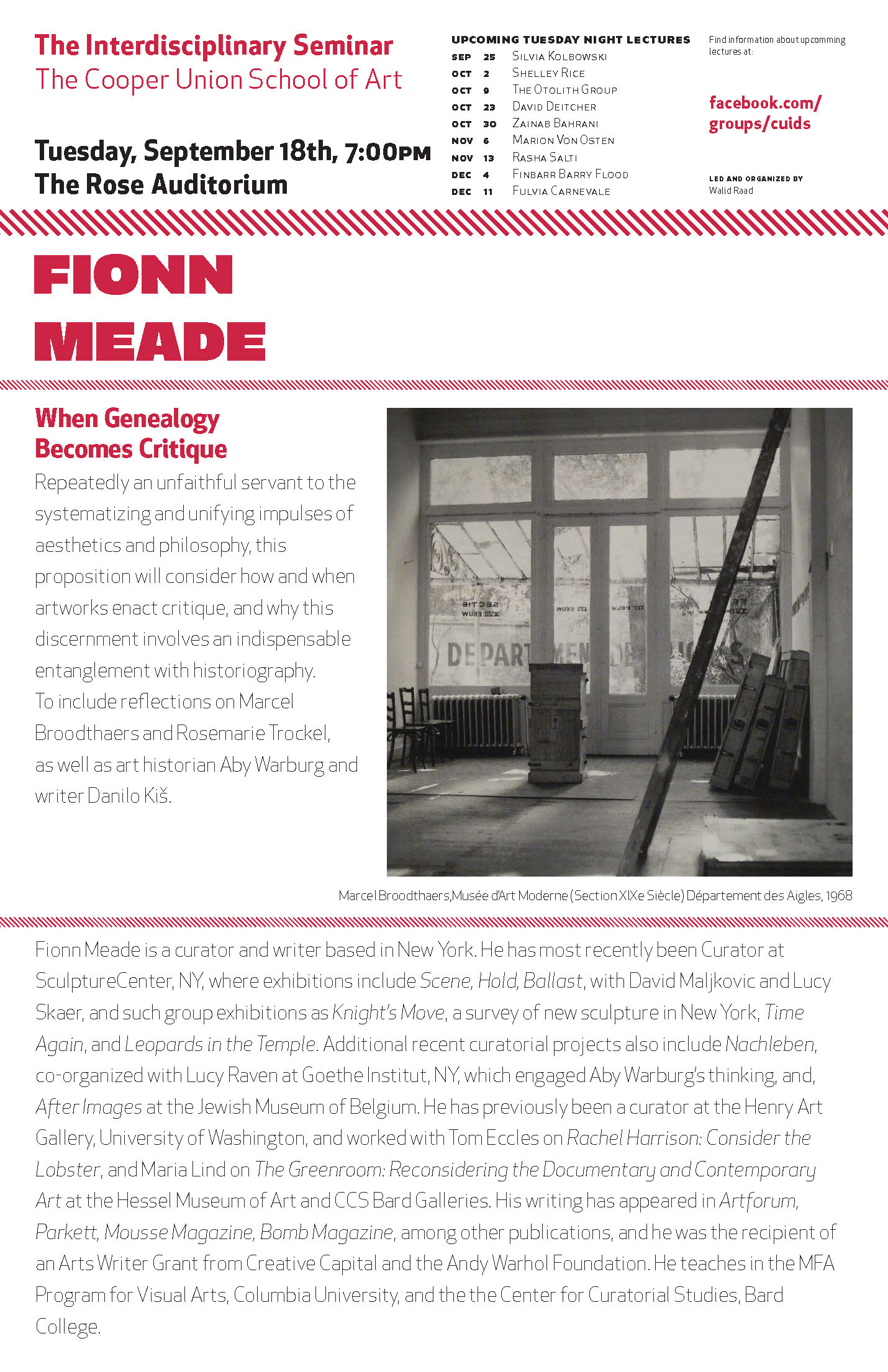
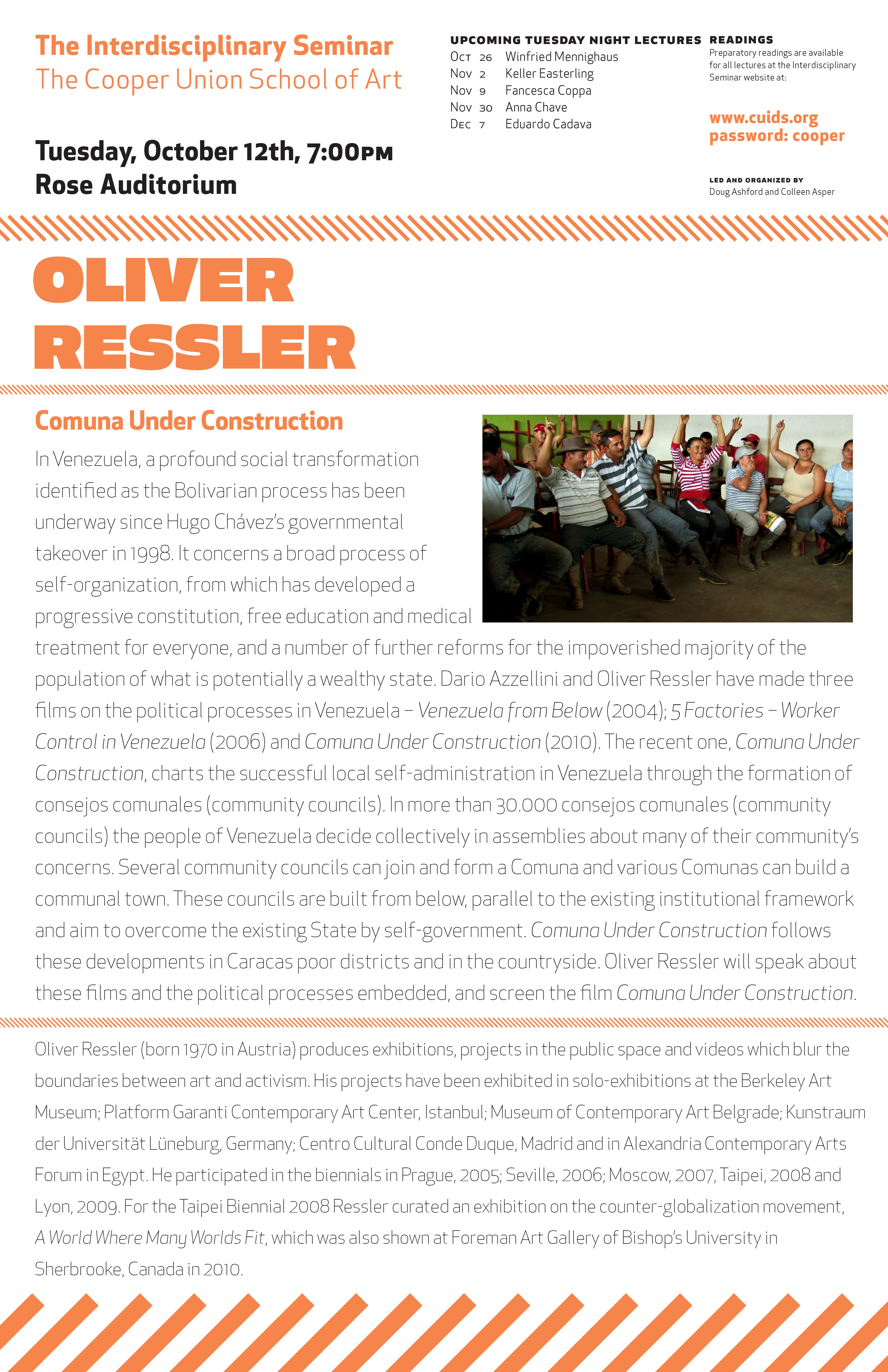
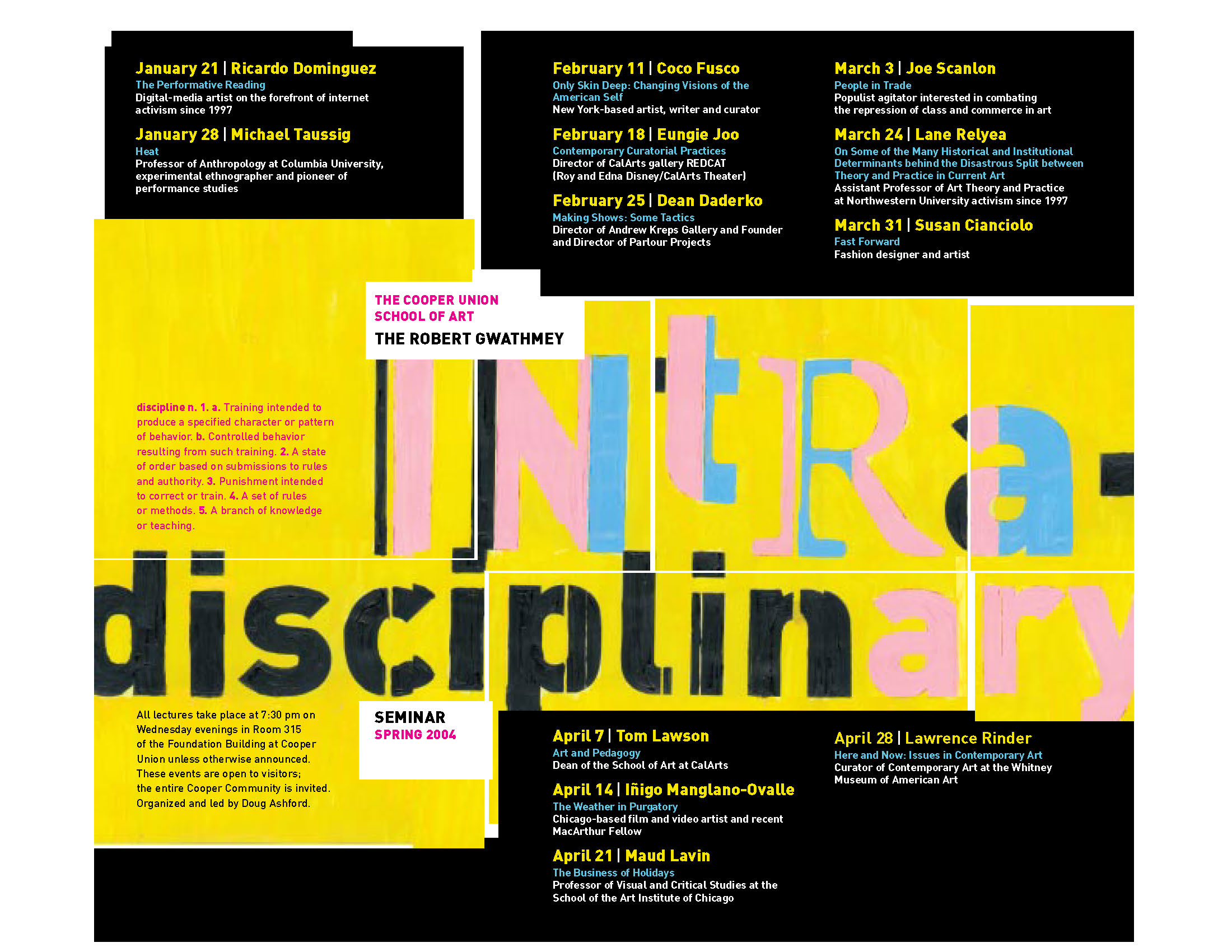
Ashford began the Inter-Disciplinary Seminar in 1996 in order to introduce undergraduate art students to the debates that question the disciplinary setting for art’s production in contemporary culture.  He taught the class until 2011, collaborating with over the years, Julie Ault, Miwon Kwon, Walid Raad, Saskia Bos, Andrea Geyer and Colleen Asper. The course was designed to provide a rigorous critical forum working between students’ artistic concerns and the experiences of visiting speakers. Class content centered on presentations by artists, theorists, activists, designers, poets, writers, curators, gallerists and others involved in visual culture. These presentations were open to the entire Cooper community and to the public. Speakers would submit a packet of research that would be distributed, and students were expected to engage with the weekly presentations through classroom discussion, critical reading and written response. The IDS has since become a school-wide setting where the categories of art’s production and distribution are opened up to re-invention. As a lecture-driven class, it has no linear structure other than the ongoing critical thinking each speaker will bring, and the urgency and thoughtfulness brought to each session by the students.


Syllabus_(link)


Interdisciplinary Seminar